
Small-space gardening isn’t just about squeezing plants into a tiny footprint — it’s about a handful of specific strategies that genuinely increase how much a limited area can produce, many of which have little to do with vertical growing and everything to do with smarter planning.
Square Foot Gardening
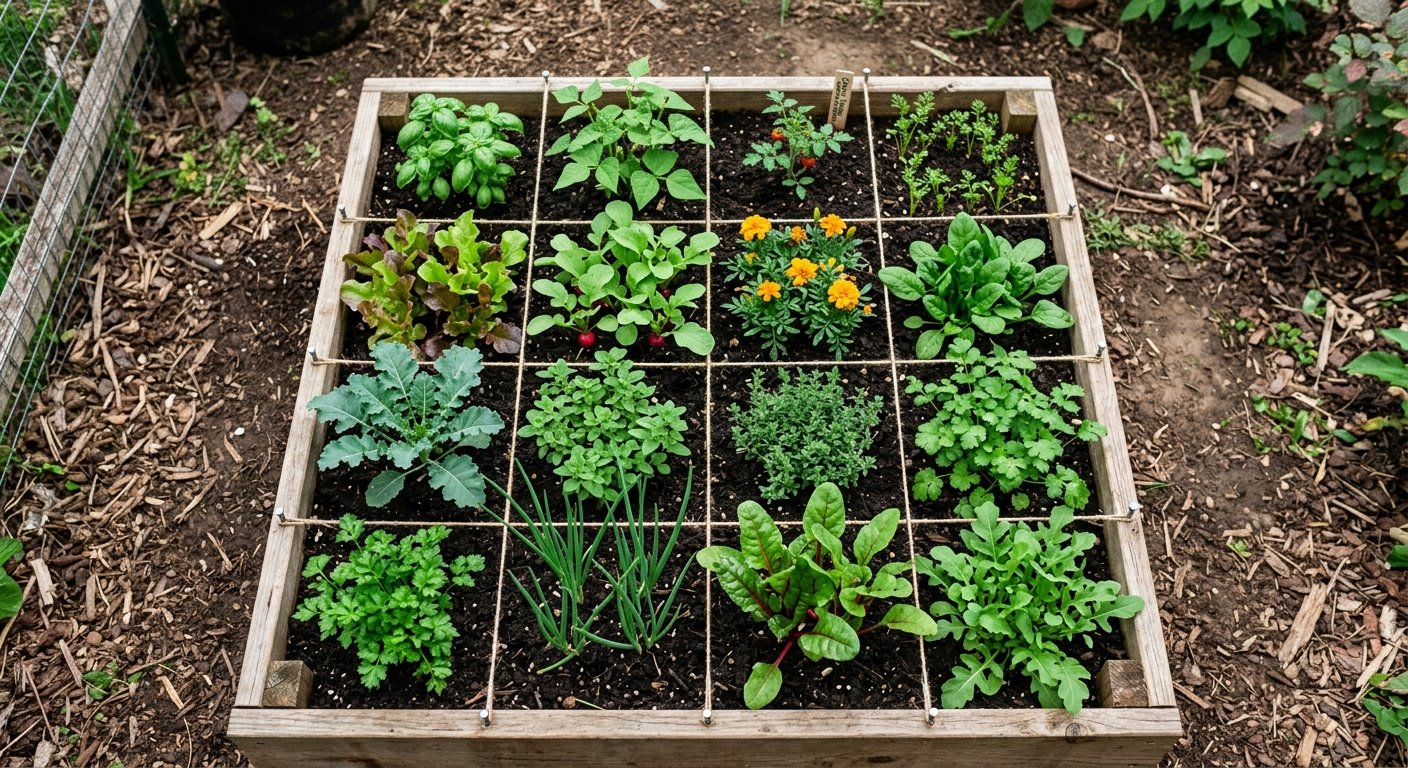
This popular method divides growing beds into a grid of 1-foot squares, with a specific number of plants assigned to each square based on that plant’s mature size — one tomato plant per square, but sixteen radishes in the same space, for example. The structured approach eliminates the wasted space that comes from traditional row planting (which leaves walking paths between every row) and makes it easy to plan intensive planting without guesswork about spacing.
Succession Planting
Rather than planting an entire bed with one crop that occupies the space for its whole growing cycle, succession planting means replanting a section as soon as one crop is harvested, keeping the space in continuous production throughout the season. A bed of quick-maturing radishes can be pulled and replaced with a summer crop, which can later give way to a fall planting of greens — effectively multiplying the total harvest a single small bed produces over a full growing season.
Interplanting and Companion Planting for Space Efficiency
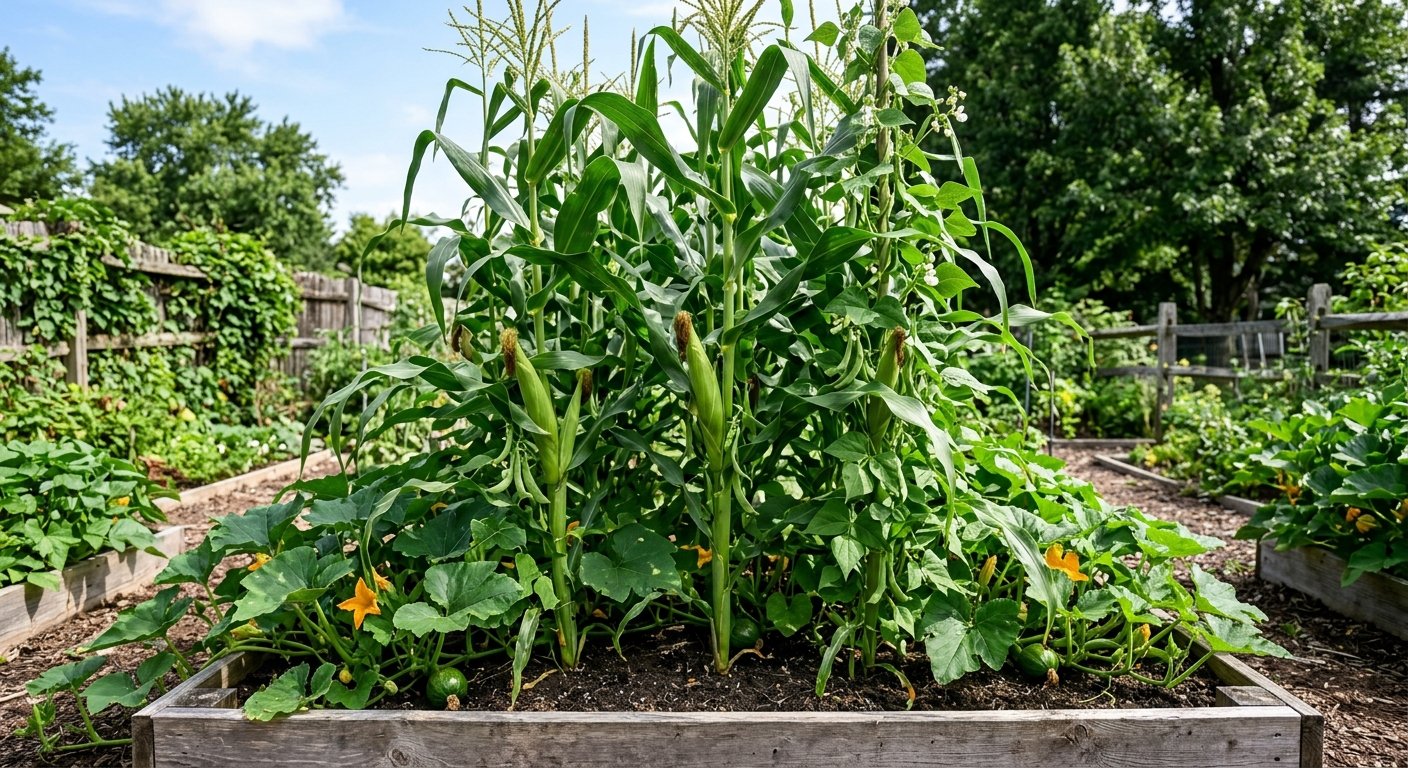
Growing compatible plants together in the same space, rather than in separate dedicated areas, makes efficient use of limited room. The classic "Three Sisters" combination — corn, pole beans, and squash — is a well-known example: beans climb the corn stalks (eliminating the need for separate trellising), while sprawling squash vines shade the soil below, suppressing weeds and retaining moisture, all in the footprint that might otherwise support just one of the three crops alone. Fast-growing, quick-harvest crops like radishes or lettuce can also be tucked between slower-growing plants like tomatoes or peppers, using the space efficiently before the larger plants fill in and need the room themselves.
Choosing Compact and Dwarf Varieties
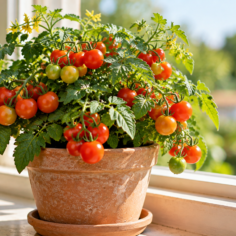
Many popular vegetables now have compact or dwarf varieties bred specifically for small-space and container growing, producing a comparable harvest in a fraction of the footprint a standard variety would need. Bush varieties of traditionally sprawling crops like cucumbers and squash, dwarf tomato varieties, and compact pepper plants all let a small-space gardener grow crops that would otherwise be impractical given limited room.
Raised Beds for Intensive Planting
Raised beds allow for denser, more intensive planting than traditional in-ground rows, both because the improved soil quality typically found in a raised bed supports closer spacing, and because a raised bed’s defined boundaries naturally discourage the walking paths that waste space in a traditional garden layout. A well-planned raised bed, even a modest 4×4 or 4×8 foot size, can produce a genuinely substantial harvest when planted intensively.
Multi-Use and Dual-Purpose Plants
Choosing plants that serve more than one purpose stretches limited space further. Herbs like nasturtium are both edible and function as a pest-deterrent companion plant; many flowering herbs attract pollinators while also providing a kitchen harvest; and some vegetables, like beans and peas, improve soil nitrogen levels for future plantings while also producing a harvest themselves.
Container Gardening as Flexible Small-Space Growing
Containers offer flexibility that in-ground beds don’t — they can be moved to chase sun throughout the season, relocated to make room for other activities when needed, and arranged and rearranged as growing needs change through the year. For a genuinely small space, a collection of well-chosen containers, rather than a single fixed bed, often makes more efficient use of an irregular or multi-purpose area like a patio that also serves other functions.
Using Unconventional Growing Spots
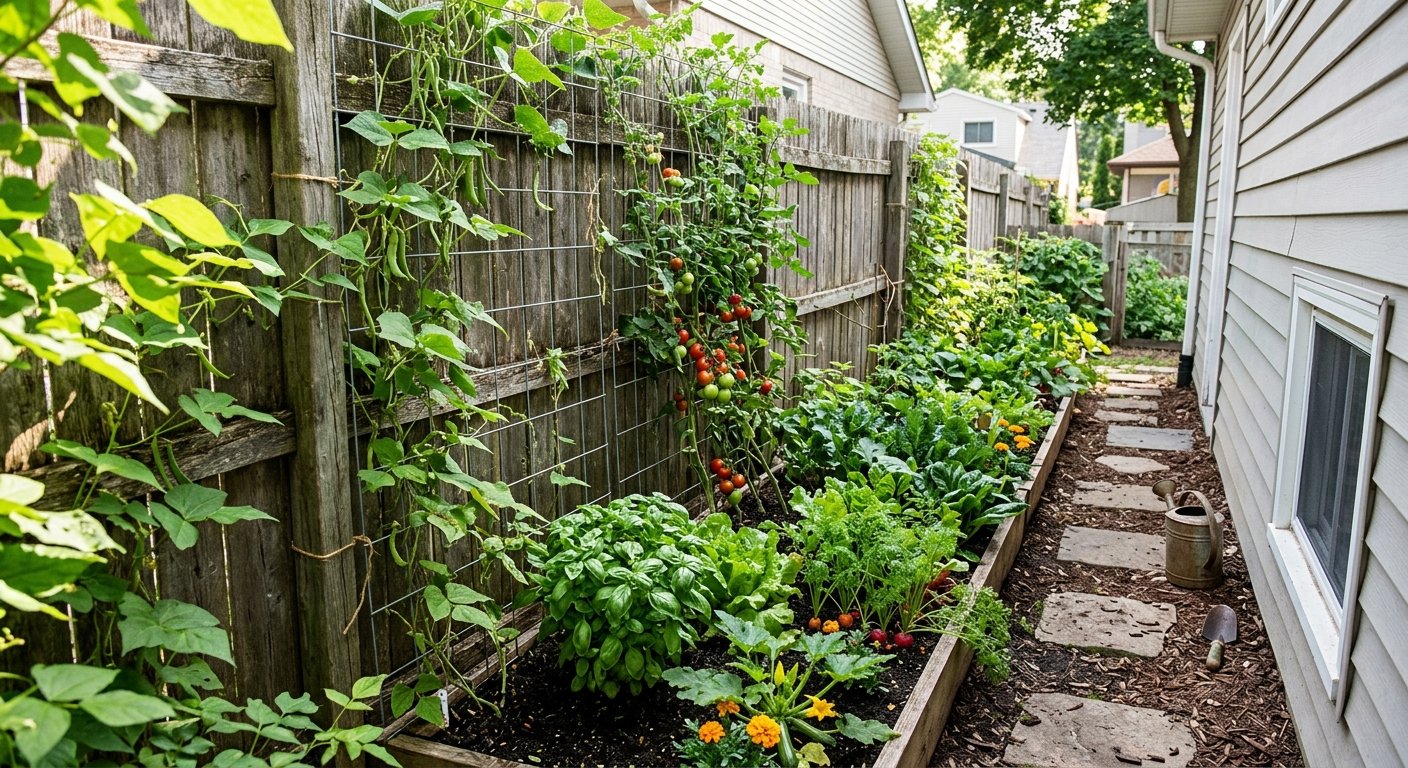
Small-space gardeners often find productive growing area in spots that aren’t obviously "garden space" at all: a sunny stretch of driveway edge, the narrow strip along a fence line, steps or a stairway landing that gets good light, or even a sunny spot just inside a window for the most compact plants. Assessing a property or living space specifically for pockets of unused sun, rather than assuming a garden needs one large dedicated area, often reveals more usable growing space than initially expected.
Community and Shared Growing Options
For anyone whose personal space genuinely can’t accommodate meaningful growing — a dark apartment, a tiny balcony with poor sun exposure — a community garden plot offers a way to grow at a more traditional scale without needing that space at home. Many cities and towns have community garden programs with modest plot sizes and fees, worth investigating as a complement to or replacement for limited home growing space.
Prioritizing What to Grow
In genuinely limited space, prioritizing crops that offer the best return for the space they occupy makes sense — herbs, salad greens, and vertical or trellised crops like beans and cucumbers tend to offer more harvest per square foot than space-hungry crops like winter squash, melons, or corn, which need considerable room relative to what they ultimately produce. Reserving limited space for high-value, space-efficient crops, and skipping or minimizing the space-hungry ones, is often the single most impactful small-space strategy available.
The Bottom Line
Small-space gardening success comes from a combination of strategies working together: intensive methods like square foot gardening and succession planting that keep every bit of space continuously productive, smart plant choices (compact varieties, multi-purpose plants, high-value crops), and a willingness to look beyond an obvious single garden bed toward containers, unconventional sunny spots, and vertical structures. Combined, these approaches routinely produce far more from a small footprint than a single traditional garden bed of the same size ever could.
Last modified: November 11, 2026