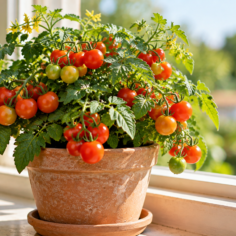

Vertical gardening solves the core problem of small-space growing: there’s rarely enough floor area, but there’s almost always unused vertical space — walls, fences, railings, and simple air above existing beds — that a traditional garden layout ignores entirely.
Why Vertical Gardening Works So Well in Small Spaces
Growing upward rather than outward means a single square foot of floor space can support a plant that, trained vertically, produces as much as it would sprawling across several square feet horizontally. Beyond the space savings, vertical growing often improves air circulation around plants (reducing disease pressure), makes harvesting easier since fruit hangs at an accessible height rather than sprawling on the ground, and can add a genuinely attractive visual element to a small patio, balcony, or yard.
Types of Vertical Growing Structures
Trellises are the most common and versatile option, available in countless materials and styles, from simple wood lattice to metal panels, and work well for vining plants that naturally climb given support.
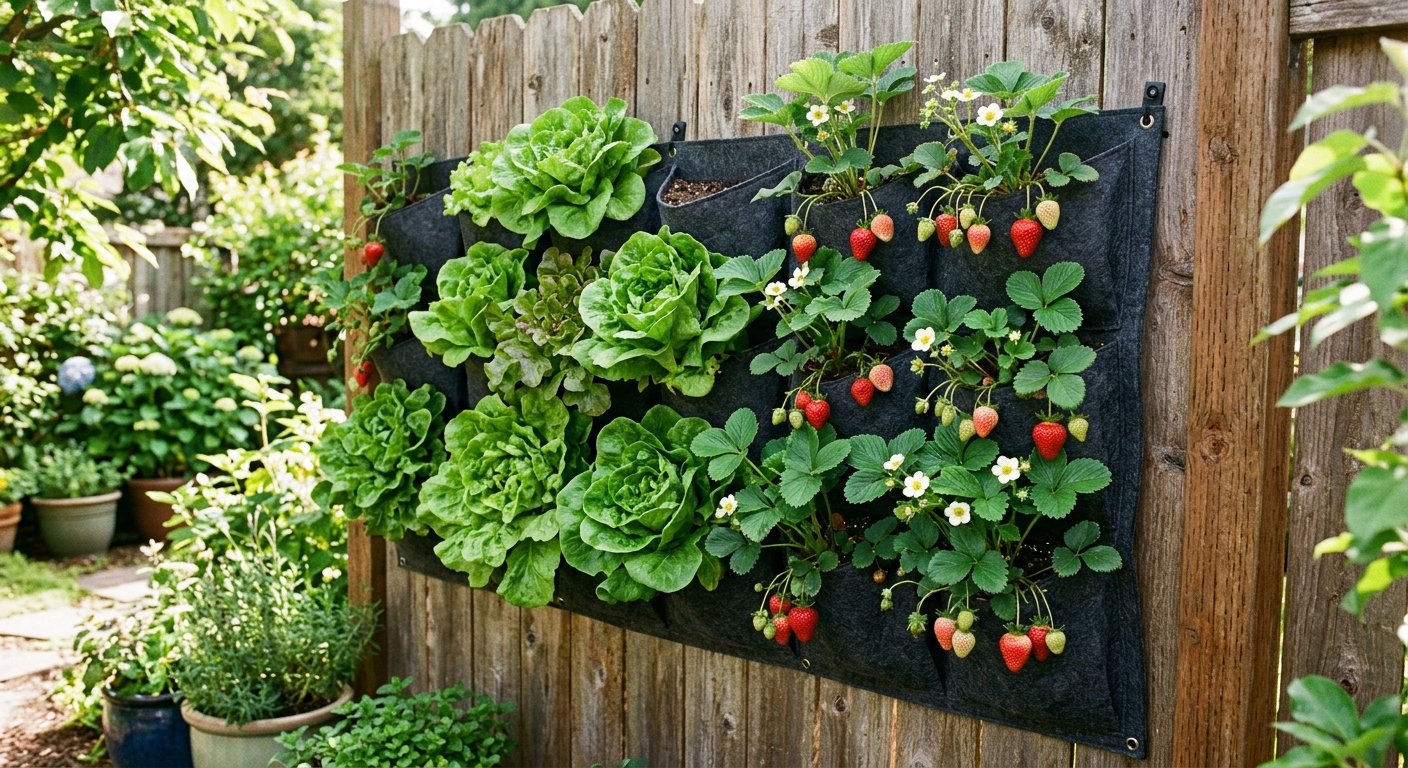
Wall-mounted planters and pocket systems attach directly to a fence or wall, creating multiple planting pockets stacked vertically, ideal for shallow-rooted plants like lettuce, herbs, and strawberries.
Vertical garden towers stack growing sites around a central column, often with an integrated watering system, and work particularly well for leafy greens and herbs in a compact footprint.
A-frame or ladder structures create angled growing surfaces, often used for vining vegetables like cucumbers or squash, allowing fruit to hang freely below the foliage for easier access and better air circulation.
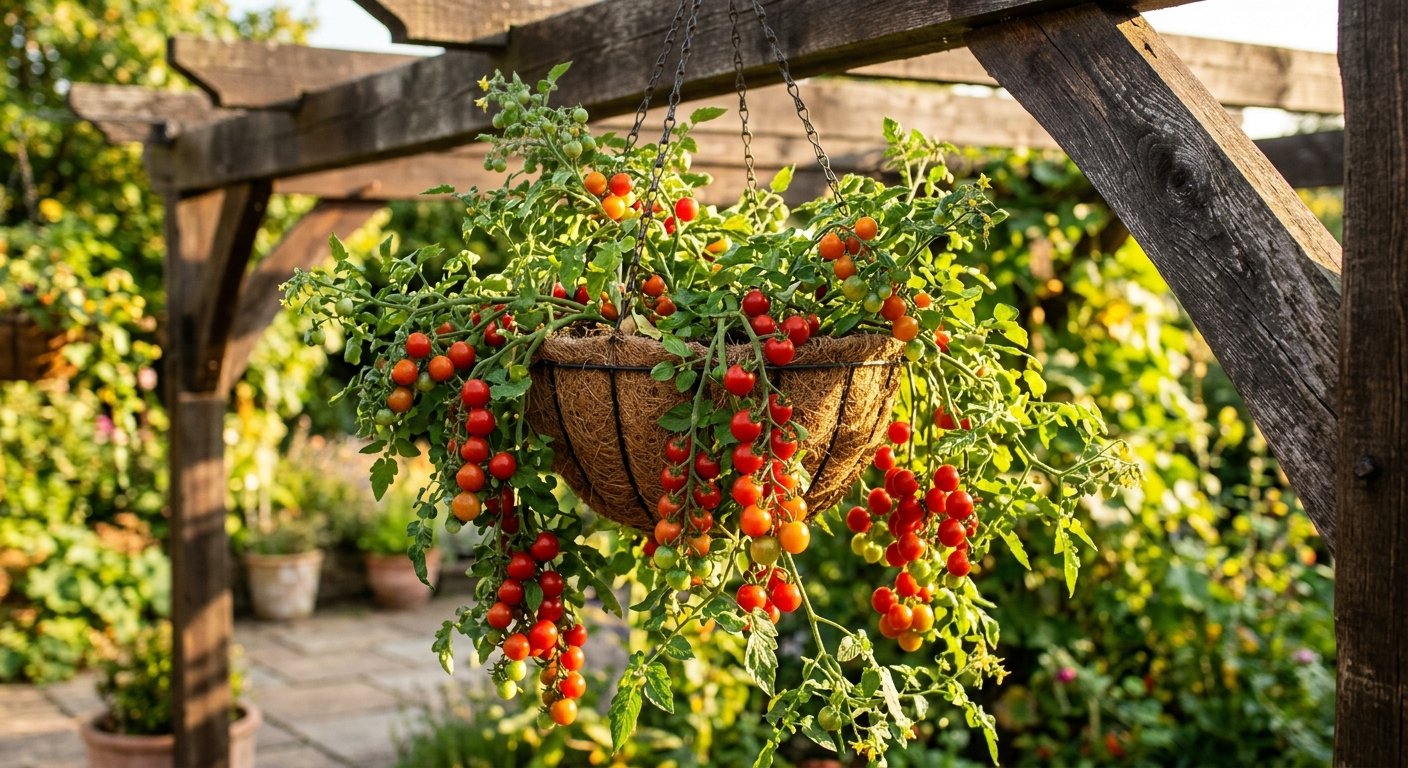
Hanging baskets suspended from an overhead structure add growing space without using any floor or wall area at all, well suited to trailing plants like strawberries, cherry tomatoes, and some herbs.
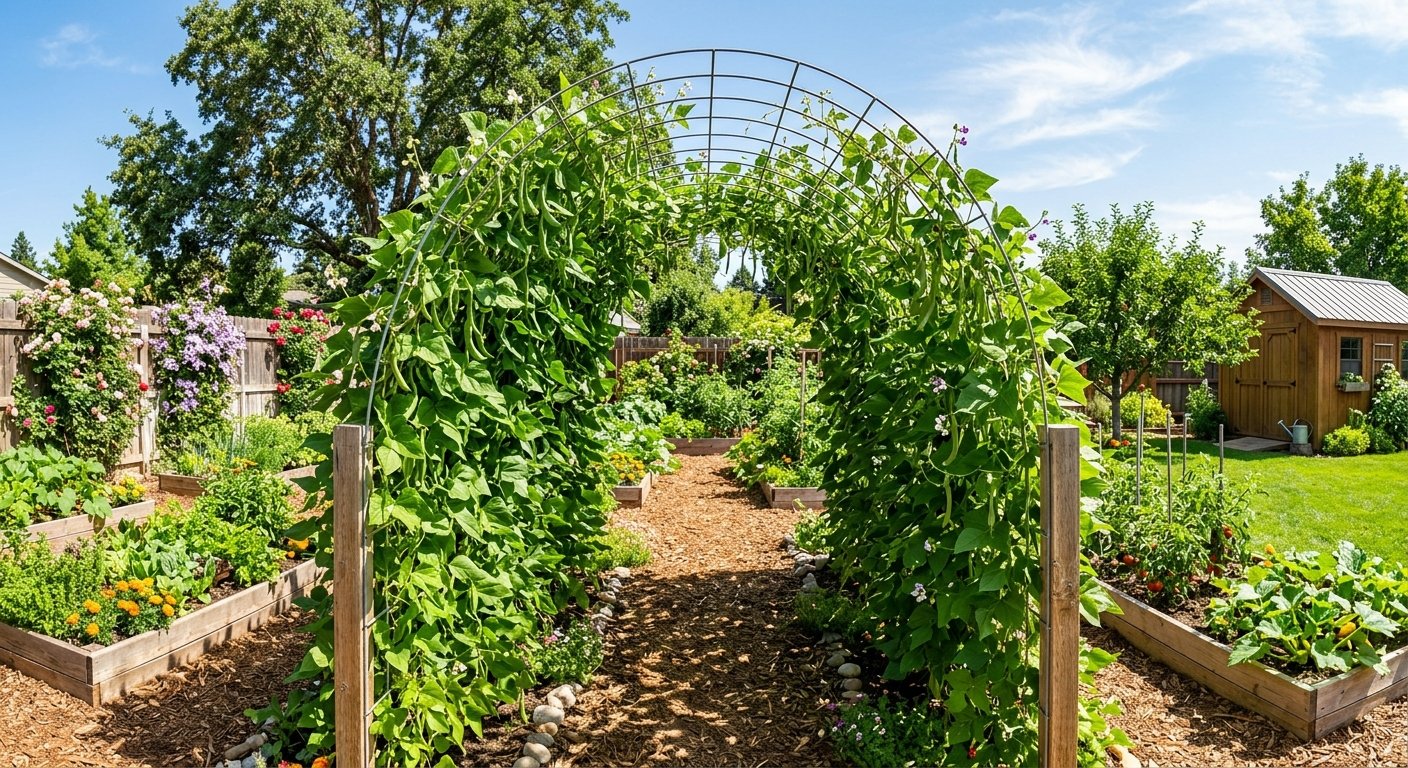
Cattle panel or hog wire arches create a walk-through tunnel structure, popular for vining crops like cucumbers, pole beans, and squash, that combines strong support with an interesting garden feature.
Best Vegetables and Fruits for Vertical Growing
Naturally climbing plants perform best with minimal training required: pole beans, peas, cucumbers (vining varieties), and some squash varieties all have natural tendrils or twining growth that readily takes to a trellis.
Plants that need active training but grow well vertically: Tomatoes (particularly indeterminate varieties) need regular tying but are among the most popular and rewarding vertical garden subjects. Melons can be grown vertically with proper support, though larger fruit needs additional slings (often made from netting or old fabric) to prevent it from pulling free of the vine under its own weight before maturity.
Naturally trailing plants suited to hanging or cascading positions: Strawberries, some cherry tomato varieties, and trailing herbs like thyme do well in hanging baskets or the upper tiers of a vertical tower, where their trailing growth habit is an asset rather than something to manage.
Building a Simple DIY Trellis System
A basic, effective trellis can be built from just a few materials: sturdy wooden or metal stakes driven into the ground or a large container, with garden netting, twine, or wire mesh strung between them to give climbing plants something to grip. For heavier crops like larger tomatoes or melons, a more robust structure — cattle panel bent into an arch, or a solidly built wooden frame — provides the additional support needed to handle real weight without collapsing mid-season.
Training Plants to Grow Vertically
Most vining plants attach to a support with natural tendrils and need little help beyond initial guidance early in growth. Plants without natural climbing structures, like tomatoes, need to be actively tied to their support as they grow, using soft garden twine or plant ties loose enough to avoid constricting the stem as it thickens. Checking and adjusting ties every week or two during active growth prevents stems from being girdled by a tie that was appropriately snug when first applied but becomes too tight as the plant grows.
Watering Considerations for Vertical Gardens
Vertical growing structures, particularly wall-mounted and tower systems, often dry out faster than traditional in-ground or container plantings, both due to increased air exposure on multiple sides and often smaller individual growing pockets with less total soil volume per plant. Checking soil moisture more frequently than you would for a standard container, and considering a simple drip irrigation system for larger vertical setups, helps manage this increased watering demand.
Vertical Gardening on a Balcony or Patio
For balconies and patios specifically, wall-mounted planters and freestanding trellis structures in large, stable containers are usually the most practical options, since permanent structural attachment (drilling into a wall or railing) may not be possible or permitted. Weighting the base of any freestanding vertical structure, especially in a windy location, prevents tipping as plants grow larger and heavier.
Combining Vertical Growing With Existing Garden Beds
Even in a larger garden with adequate floor space, vertical growing structures placed along the north side of a bed (in the Northern Hemisphere) prevent tall vertical plants from shading shorter crops throughout the day, while also adding meaningful extra growing capacity without expanding the bed’s actual footprint.
Common Mistakes in Vertical Gardening
Underestimating structural strength needed for heavier crops, resulting in a trellis or support that fails mid-season under the weight of a full crop load.
Placing structures where they’ll shade other plants unintentionally, particularly tall trellises positioned without considering the sun’s path across the garden through the day.
Neglecting increased watering needs, especially for wall-mounted and tower systems with smaller individual soil volumes per plant.
Choosing plants unsuited to vertical growing without additional support — heavier melon or squash varieties in particular need slings or netting to support fruit weight on a vertical trellis, something not every vertical gardener plans for in advance.
The Bottom Line
Vertical gardening is one of the most effective ways to multiply usable growing space in a small yard, balcony, or patio — choose naturally climbing plants for the simplest setup, build or buy a structure sturdy enough for what you intend to grow, and stay attentive to the increased watering needs that come with the reduced soil volume many vertical systems involve. Done well, a vertical garden can produce a surprising volume of food from a footprint that would otherwise support only a fraction as much.
Last modified: November 11, 2026