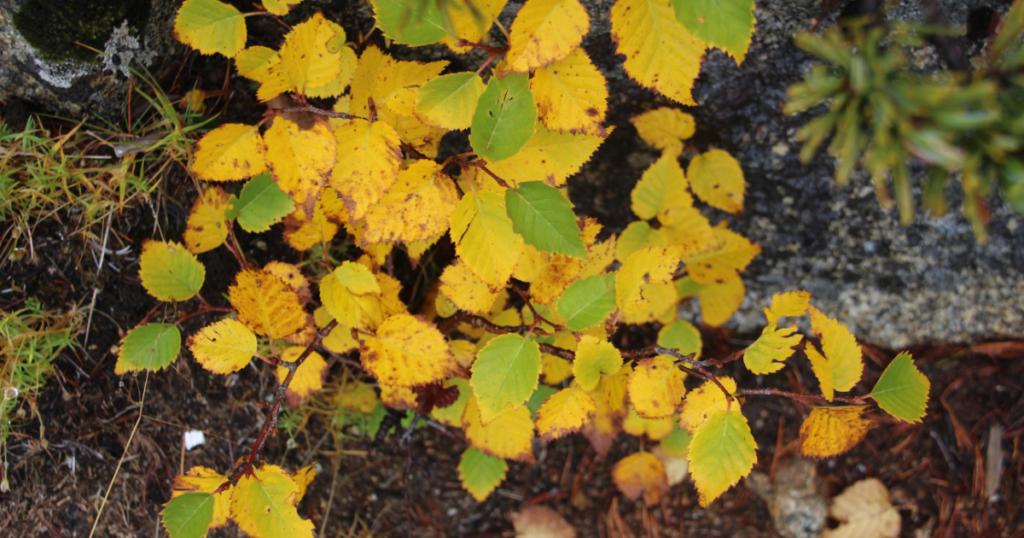
Yellowing leaves are one of the most common questions in gardening, and also one of the most frustrating, because so many different problems produce the same symptom. The good news: where the yellowing shows up on the plant, and how it’s patterned, usually narrows things down fast.
Start Here: Where Is the Yellowing?
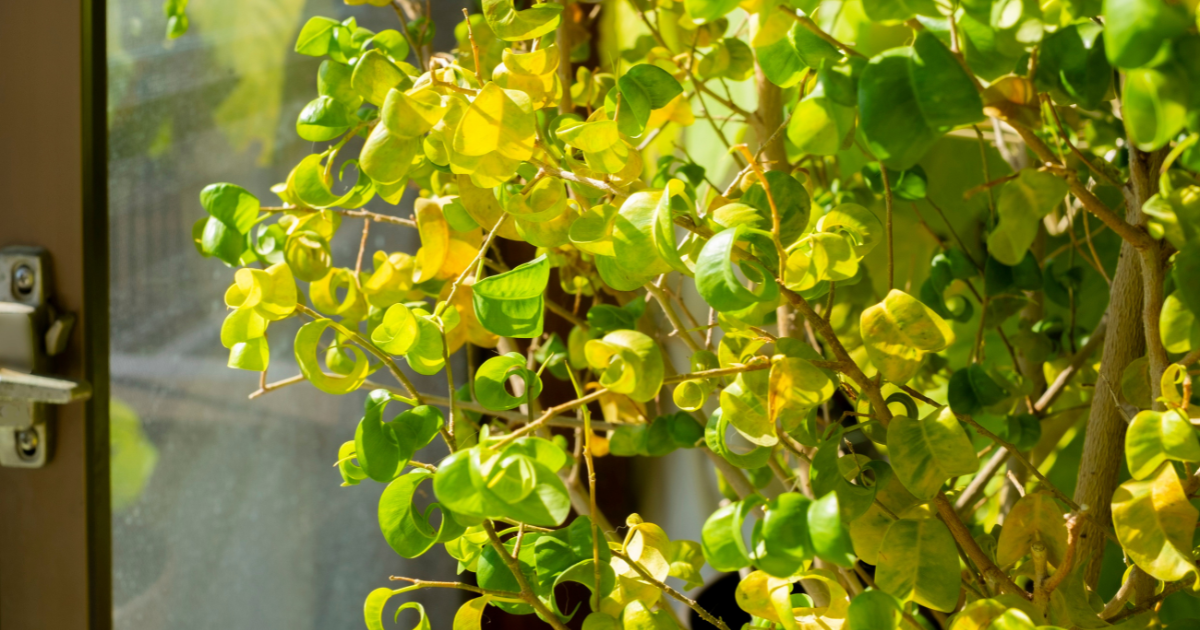
Before diagnosing the cause, look at the pattern:
- Older, lower leaves yellowing first → usually nitrogen deficiency or overwatering
- New growth yellowing while veins stay green → usually iron or magnesium deficiency
- Yellowing plus wilting → usually a watering problem, either too much or too little
- Yellow spots or blotches, not whole leaves → usually pests, disease, or sunburn
- Uniform pale yellowing across the whole plant → usually insufficient light or a nutrient issue at the root
This checklist gets you most of the way there. Below are the eight most common specific causes.
1. Overwatering
This is the single most common cause of yellow leaves on houseplants, and one of the most common outdoors too. When soil stays saturated, roots can’t access oxygen and begin to suffocate and rot. The plant responds by yellowing and dropping leaves — often starting with the lower, older ones — sometimes accompanied by a musty smell from the soil or mushy, dark stems near the base.
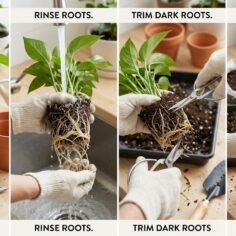
Fix: Let the soil dry out significantly before watering again. Check that pots have drainage holes and aren’t sitting in standing water. If roots have already started rotting (dark, mushy, and foul-smelling instead of firm and white or tan), you’ll need to trim away the affected roots and repot into fresh, well-draining soil.
2. Underwatering
Yellowing from underwatering tends to come with dry, crispy leaf edges and an overall wilted, droopy appearance before the color changes. Soil that’s pulled away from the pot’s edges or feels bone-dry several inches down is a strong sign.
Fix: Water thoroughly until it drains from the bottom of the pot, then resume a more consistent watering routine based on how quickly that particular plant’s soil dries out.
3. Nitrogen Deficiency
Nitrogen is mobile within the plant, meaning the plant will pull it from older leaves to support new growth when supplies run low. That’s why nitrogen deficiency shows up as yellowing that starts with the oldest, lowest leaves first and moves upward, often affecting the entire leaf rather than just the veins.
Fix: Apply a balanced or nitrogen-forward fertilizer. For vegetable gardens, this might mean a fish emulsion, blood meal, or a balanced 10-10-10; for houseplants, a standard balanced liquid fertilizer during the growing season.
4. Iron or Magnesium Deficiency (Chlorosis)
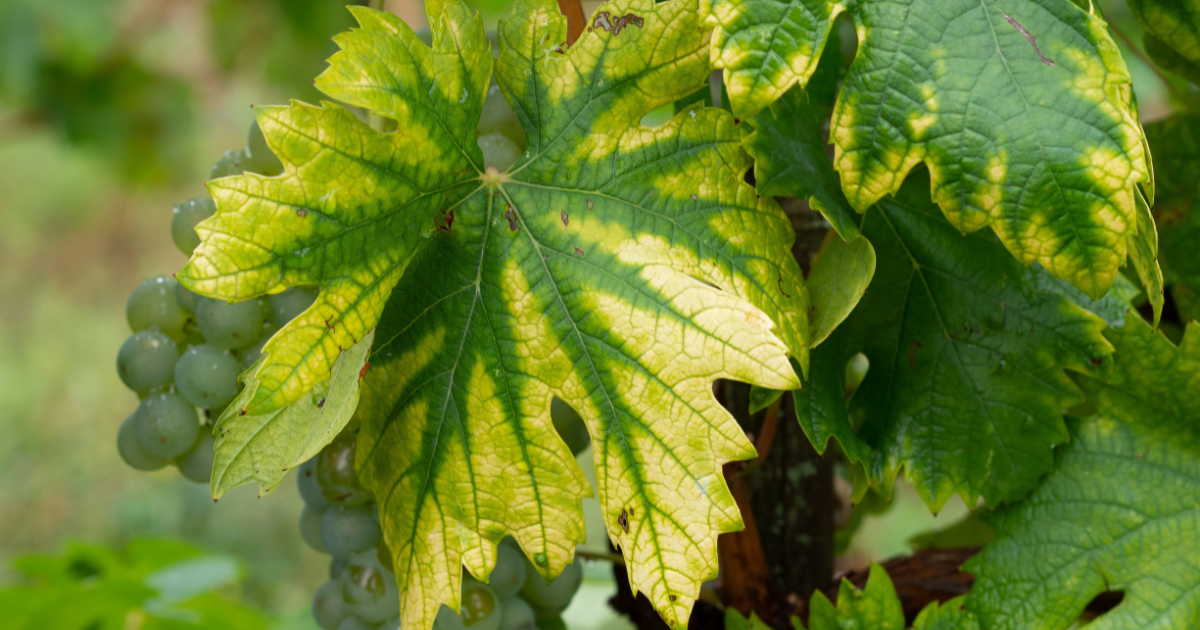
Unlike nitrogen, these nutrients are less mobile, so deficiency shows up on new growth first, with a distinctive pattern: the leaf veins stay green while the tissue between them turns yellow. This is called interveinal chlorosis, and it’s especially common in alkaline soil, where iron becomes chemically unavailable to plant roots even if it’s technically present.
Fix: Test your soil pH if this is happening outdoors — iron chlorosis is often a pH problem, not an actual iron shortage. An iron chelate supplement can offer a quick fix, while amending soil pH downward with sulfur addresses the root cause over time.
5. Too Little Light
Plants kept in lower light than they need often develop pale, uniformly yellow-green leaves rather than the deep green they’re capable of, sometimes alongside leggy, stretched growth as the plant reaches for more light.
Fix: Move the plant to a brighter spot, or supplement with a grow light. Do this gradually for outdoor plants moving into more direct sun to avoid leaf scorch.
6. Too Much Direct Sun
The opposite problem: leaves adapted to lower light that are suddenly exposed to intense, direct sun can develop bleached, yellow, or scorched patches, usually on the side facing the light.
Fix: Move the plant to filtered or indirect light, or provide afternoon shade outdoors.
7. Pests
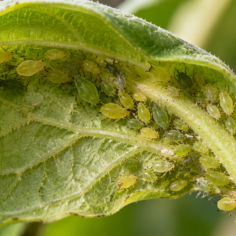
Spider mites, aphids, and scale insects all feed by piercing plant tissue and draining sap, which shows up as stippled yellow speckling rather than uniform color change, often starting on the undersides of leaves. Check closely for tiny insects, webbing, or sticky residue before assuming it’s a nutrient or watering issue.
Fix: Identify the specific pest and treat accordingly — insecticidal soap and horticultural oil handle most soft-bodied pests, while heavier infestations may need repeat treatments over several weeks.
8. Natural Aging
Sometimes yellowing is simply normal. Plants continuously shed their oldest leaves as part of natural growth, and a single lower leaf yellowing and dropping every few weeks on an otherwise healthy, actively growing plant usually isn’t cause for concern.
Fix: Nothing needed — just remove the spent leaf.
How to Actually Diagnose Yours
- Check the soil moisture first — it’s the most common culprit by far.
- Look at where on the plant the yellowing appears (old growth vs. new growth).
- Look closely at the leaf pattern — whole leaf vs. veins staying green vs. spots.
- Check the undersides of a few leaves for pests.
- Consider recent changes: a new spot with different light, a change in watering routine, or a repotting.
Most yellow-leaf mysteries come down to watering or light, so start there before assuming you need to buy fertilizer or pesticide. Once you rule those out, the vein pattern and leaf position will point you to the right nutrient or pest cause.
If the cause is still unclear, compare Overwatered Plant Symptoms & How to Save Your Plant and Brown Spots on Leaves: Causes & Fixes.
Last modified: October 5, 2026