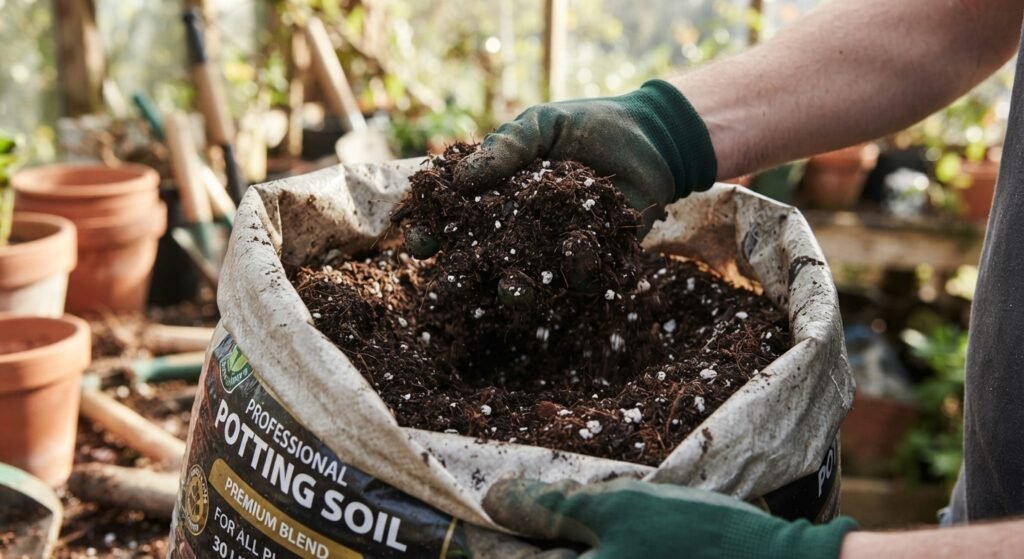
Container-grown vegetables depend entirely on the growing medium you provide — unlike an in-ground garden, there’s no surrounding native soil to compensate for a poor choice. Getting the potting mix right is one of the highest-leverage decisions in container vegetable gardening.
Why Regular Garden Soil Doesn’t Work in Containers
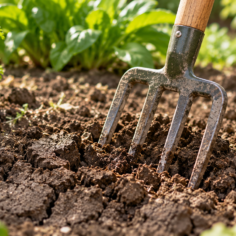
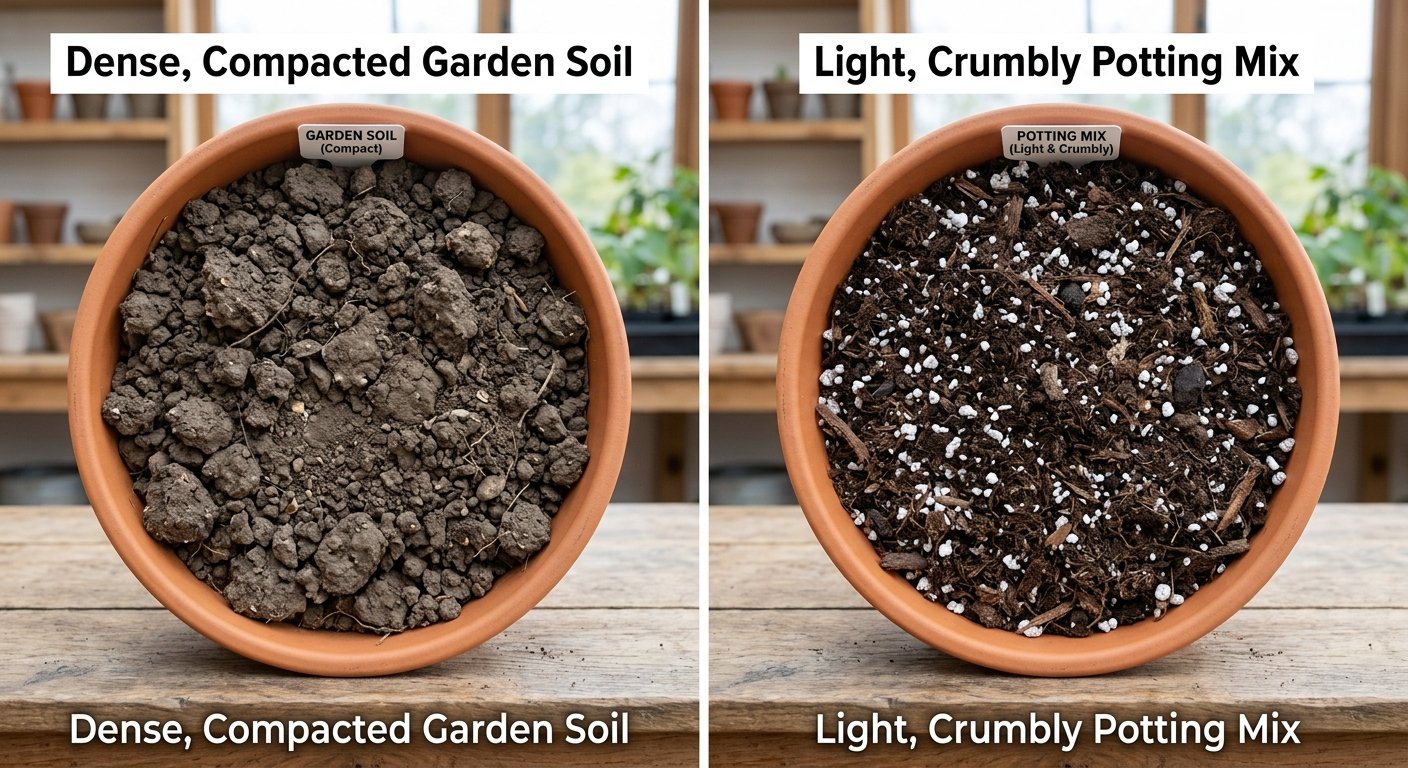
This is the most important thing to understand before choosing a mix. Garden soil, when used in a container, compacts significantly more than it would in the ground, since it lacks the surrounding soil structure and biological activity that keeps it loose and well-aerated in a natural setting. This compaction leads to poor drainage, restricted root growth, and a considerably higher risk of root rot, even with otherwise careful watering. Garden soil can also introduce weed seeds, pests, and soilborne diseases into what would otherwise be a clean container environment.
What Makes a Good Vegetable Potting Mix
Good drainage is essential — vegetables need soil that allows excess water to move through freely while still retaining enough moisture between waterings to support active growth. A mix that stays soggy for extended periods after watering promotes root rot; one that drains too fast requires impractically frequent watering.
Adequate water retention, balanced against drainage, so the mix doesn’t dry out excessively fast between waterings, particularly important in hot weather when container soil already tends to dry faster than in-ground beds.
Sufficient nutrition to start, though most quality mixes provide only enough nutrients for the first few weeks of growth, after which supplemental feeding becomes necessary regardless of the mix’s initial quality.
Appropriate weight, particularly relevant for balcony or rooftop container gardens where weight limits may be a real concern — lighter, soilless mixes are often preferable in these settings compared to heavier, compost-heavy blends.
Good structure that resists compaction over a growing season, maintaining the pore spaces roots need for oxygen even after repeated watering cycles compact the mix somewhat over time.
Key Ingredients in Quality Potting Mixes
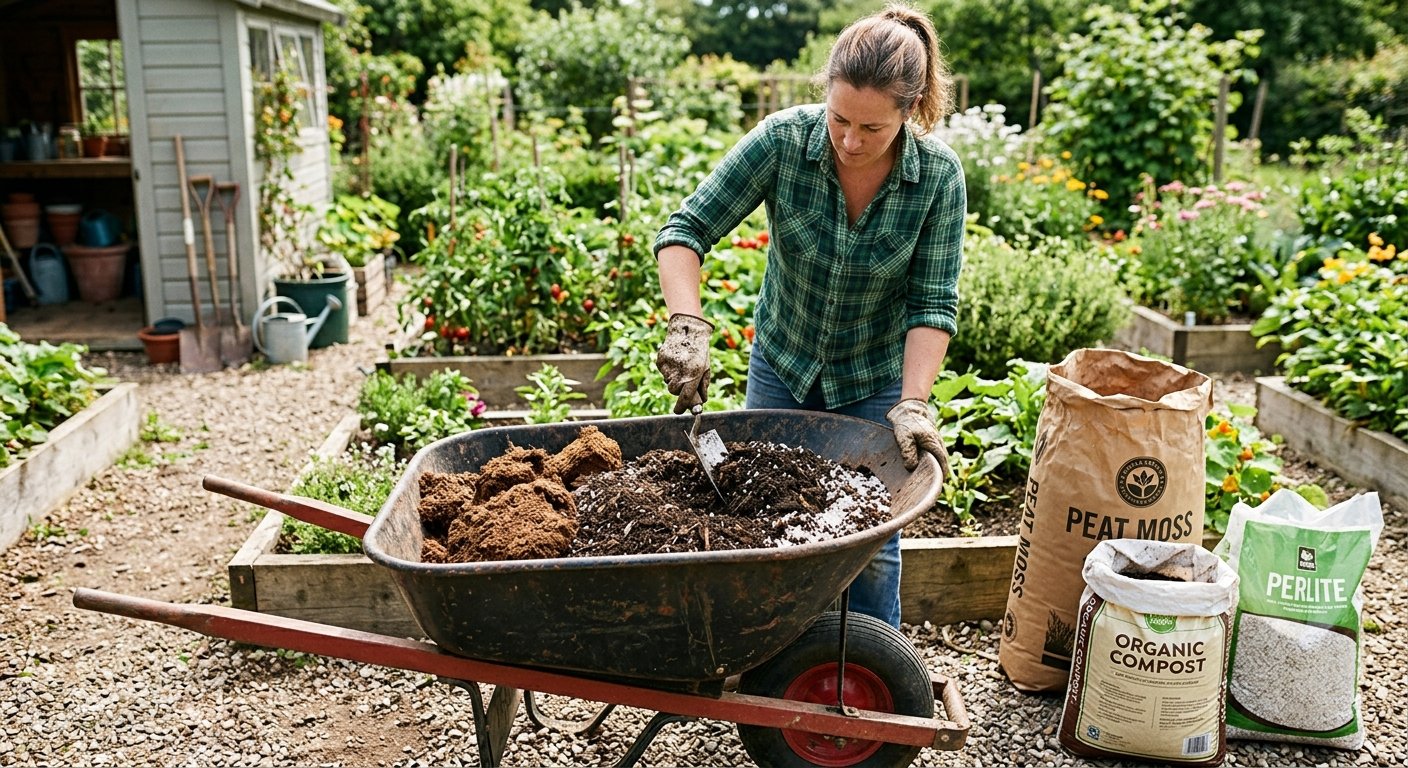
Peat moss or coconut coir provides the base structure and water retention in most commercial mixes, holding moisture while still allowing drainage. Coconut coir has become an increasingly popular, more sustainable alternative to peat moss, with similar water-holding properties.
Perlite — the small white volcanic granules visible in most potting mixes — improves drainage and aeration significantly, creating air pockets that prevent the mix from compacting into a dense, poorly draining mass.
Vermiculite also improves aeration while holding onto moisture and nutrients somewhat more than perlite does, often used alongside or instead of perlite depending on the specific mix’s design goals.
Compost adds organic matter and a slow-release nutrient boost, along with beneficial microbial activity that supports overall plant health, though a mix with too much compost relative to other ingredients can become overly dense and moisture-retentive for container use.
Aged bark or wood fines in some mixes add structure and slow-release organic matter while helping maintain long-term drainage as the mix breaks down over a growing season.
Buying vs. Making Your Own Potting Mix
Buying a quality commercial potting mix labeled specifically for vegetables or container gardening is the simplest, most reliable option for most home gardeners, removing the guesswork of ingredient ratios. Look for mixes that list perlite or vermiculite prominently (for drainage) alongside peat or coir and some compost, and avoid mixes labeled simply "garden soil" or "topsoil," which aren’t formulated for container use.
Making your own mix offers more control and can be more cost-effective for larger-scale container growing. A commonly recommended DIY ratio is roughly one-third peat moss or coconut coir, one-third compost, and one-third perlite or vermiculite, adjusted based on the specific crops being grown and your local climate (a hotter, drier climate might benefit from slightly more water-retentive ingredients, for instance).
Adjusting Potting Mix for Specific Vegetables
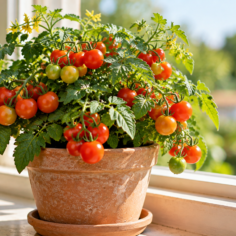
Most vegetables do well in a standard, well-balanced potting mix, but a few have more specific preferences worth accommodating: root vegetables like carrots benefit from an especially loose, stone-free mix without large chunks of bark or compost that could cause roots to fork or become misshapen as they grow. Tomatoes and peppers, being heavier feeders with more extensive root systems, benefit from a mix with a higher proportion of compost for sustained nutrition, alongside good drainage to prevent the consistent moisture they need from tipping into waterlogged conditions.
Refreshing Potting Mix Over Time
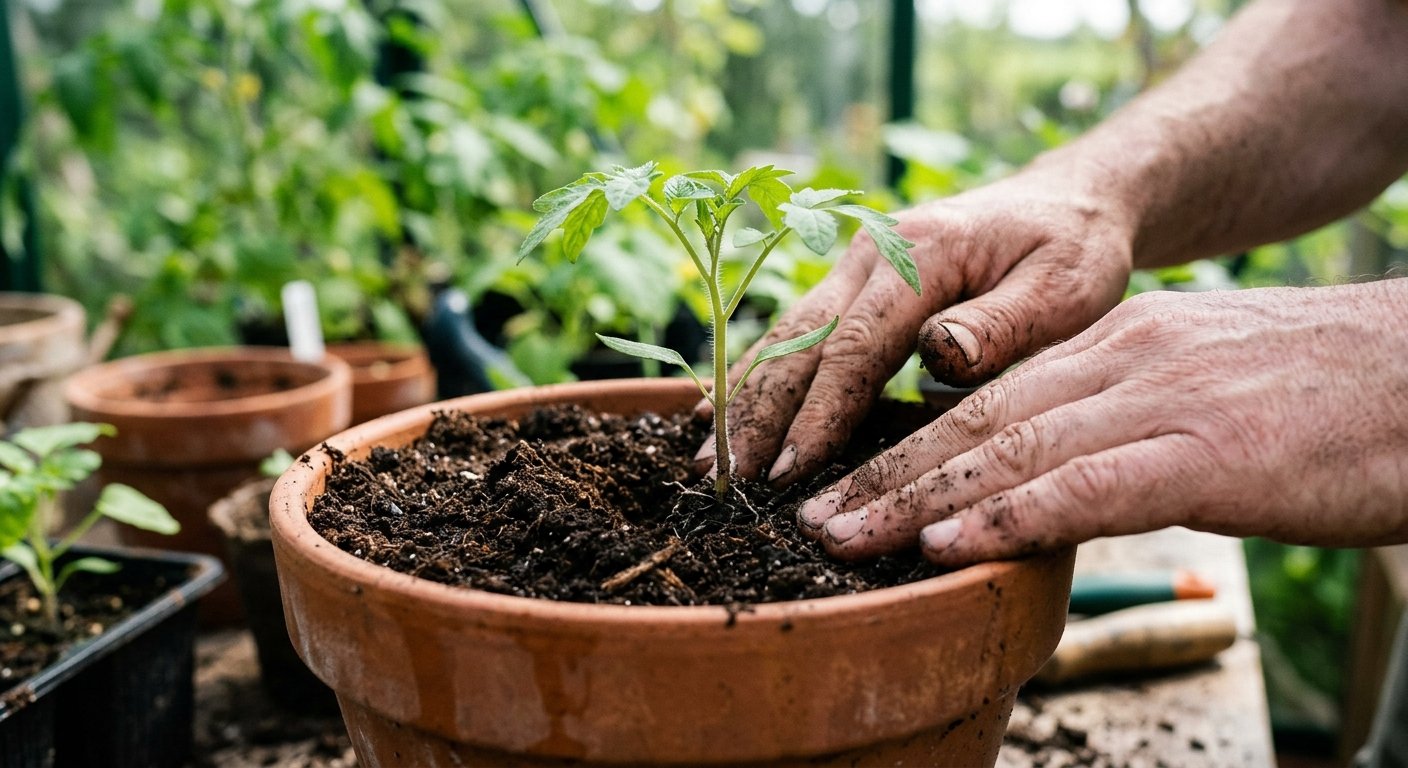
Potting mix breaks down and compacts over a growing season and loses much of its initial nutrient content well before that physical breakdown becomes obvious. For annual vegetables, starting with fresh mix each season, or thoroughly amending reused mix with fresh compost and perlite to restore both nutrition and structure, produces meaningfully better results than reusing old, depleted, compacted mix indefinitely without amendment.
Signs Your Potting Mix Isn’t Working
Water pooling on the surface or draining unusually slowly suggests the mix has compacted or lacks sufficient drainage material like perlite.
Soil drying out extremely fast, requiring watering multiple times a day even in moderate weather, suggests insufficient water-retentive material or an overly light, fast-draining mix that isn’t well suited to the specific vegetables being grown.
Stunted growth despite adequate light and water often points to depleted nutrition in older, reused mix that hasn’t been refreshed or adequately supplemented with fertilizer.
The Bottom Line
A quality vegetable potting mix balances drainage and water retention through a combination of peat or coir, perlite or vermiculite, and compost — never garden soil, which compacts and drains poorly in a container environment. Whether buying a commercial mix or building your own, refresh or amend it each season rather than reusing depleted material indefinitely, and adjust the specific blend slightly for heavier feeders like tomatoes versus more delicate root vegetables like carrots.
Planning a simple container setup? See what you can grow in a 5-gallon bucket for crop and container ideas.
Last modified: November 11, 2026