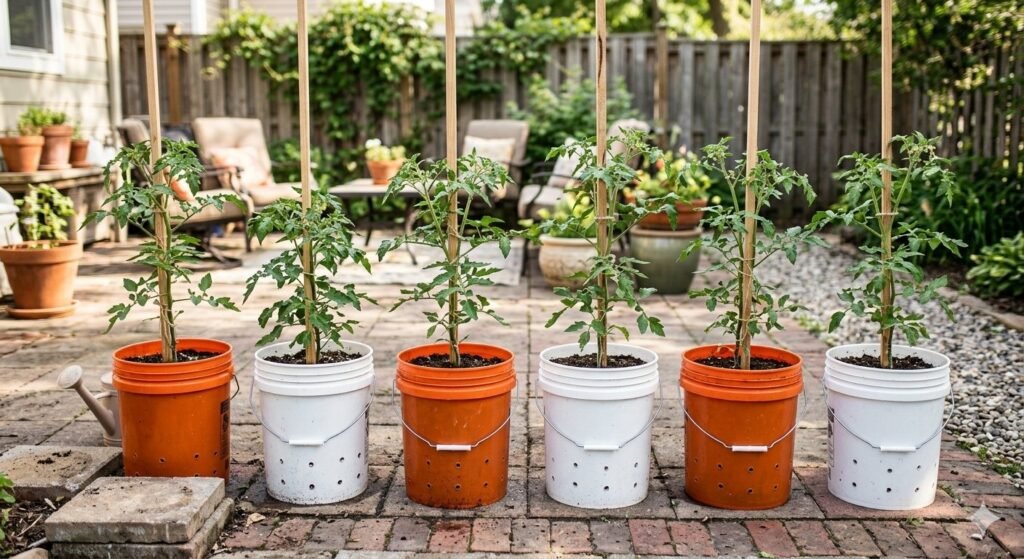
What can you grow in a 5 gallon bucket? Compact tomatoes, peppers, bush beans, bush cucumbers, lettuce, radishes and many herbs are good choices. Potatoes and strawberries can also work with suitable varieties and spacing. Start with a food-grade bucket, drainage holes and potting mix; give large crops their own bucket.
Five-gallon buckets are a favorite among budget-conscious and space-limited gardeners for good reason: they’re cheap or free (many restaurants and bakeries give away food-grade buckets), durable, portable, and — once properly prepped — genuinely capable of growing a surprising range of productive vegetables.
5-Gallon Bucket Gardening: Quick Crop Guide
| Crop | Starting approach | Main consideration |
|---|---|---|
| Compact tomato | One plant per bucket | Add support early |
| Pepper | One plant per bucket | Keep moisture consistent |
| Bush cucumber | One plant per bucket | Support trailing growth |
| Bush beans | Several plants, following variety spacing | Avoid crowding |
| Leaf lettuce and radishes | Several plants at packet spacing | Harvest regularly |
| Herbs | One vigorous herb or compatible smaller herbs | Match light and water needs |
Preparing a Bucket for Growing
Before planting anything, a few setup steps matter:
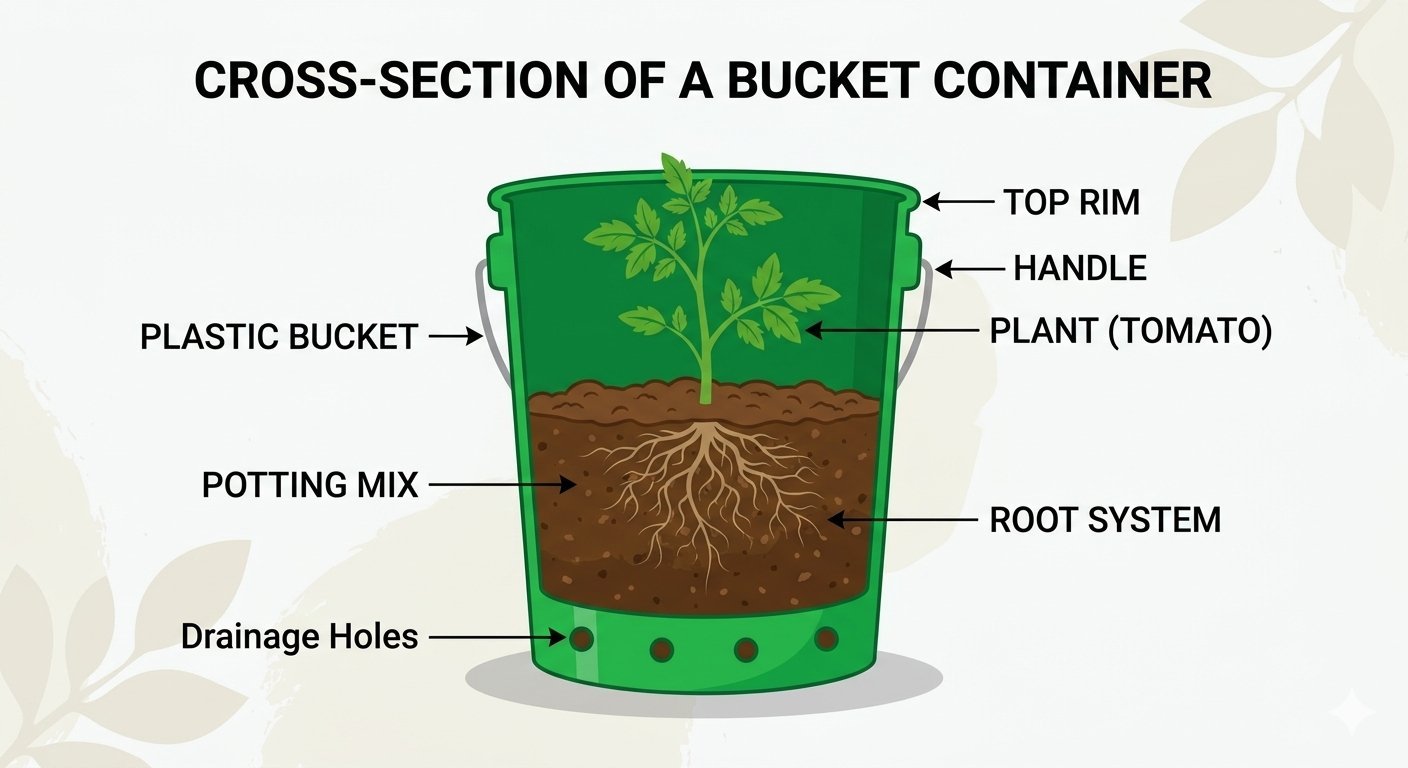
Drainage holes are essential. Drill or punch several 1/4 to 1/2 inch holes in the bottom, spaced evenly. Without drainage, buckets waterlog quickly and rot roots within days.
Use a bucket labeled food-grade that previously held food, or buy a new food-grade bucket. Do not use a bucket that held paint, cleaners or other chemicals, even after washing it. Ask restaurants or bakeries what a used bucket contained before accepting it.
Elevate the bucket slightly on pot feet, bricks, or a stand to ensure drainage holes aren’t sitting directly against the ground, which can block water from actually draining out.
Fill with quality potting mix, not garden soil. Garden soil compacts in a container, drains poorly, and can introduce pests or disease. A standard potting mix with added compost gives most vegetables what they need.
Best Vegetables for a 5 Gallon Bucket
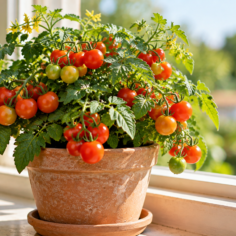
Tomatoes (determinate or dwarf varieties): One tomato plant per bucket is the standard ratio. Determinate varieties (which grow to a set size rather than continuing indefinitely) or specifically bred dwarf/patio varieties perform best, since a full-size indeterminate tomato will outgrow the root space and require more support than a bucket comfortably provides.
Peppers: One plant per bucket works well for both sweet and hot pepper varieties, which tend to be naturally more compact than tomatoes and well-suited to container life.
Bush beans: Several bush bean plants can be grown per bucket, spaced a few inches apart. Bush varieties (as opposed to pole beans, which need vertical support and more room) are ideal for bucket culture.
Cucumbers (bush varieties): Compact, bush-type cucumber varieties bred for containers do well; vining types need a trellis but can still work with one plant per bucket if given vertical support.
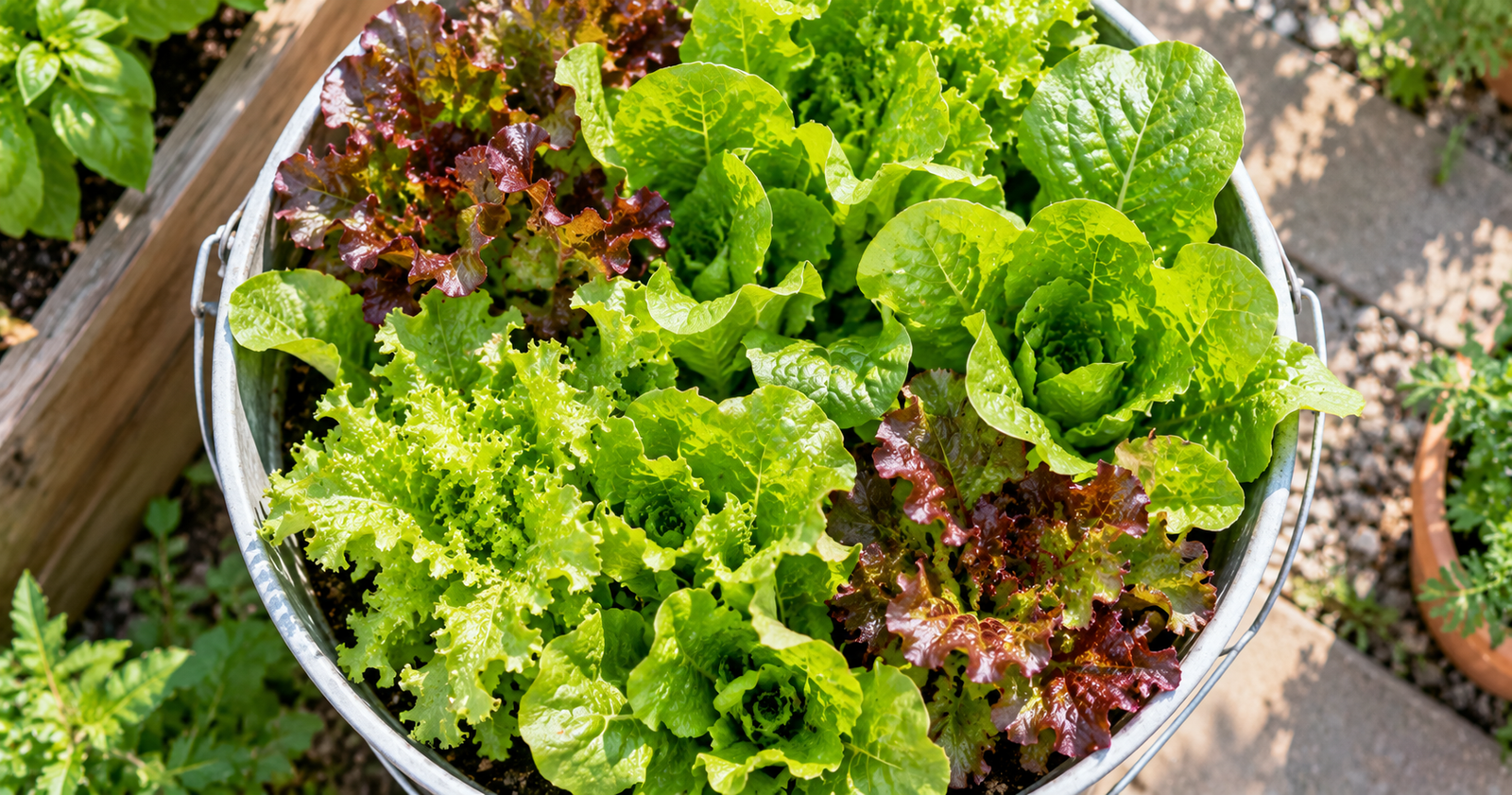
Lettuce and leafy greens: Multiple lettuce plants can be grown in a single bucket, and because they’re harvested continuously (rather than all at once), a bucket of mixed lettuce can provide salads over an extended period.
Radishes: Fast-growing and shallow-rooted, radishes do well in buckets and can be planted densely, ready to harvest in as little as 3–4 weeks.
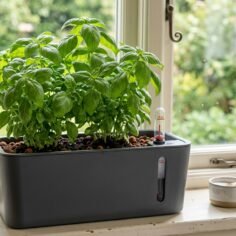
Herbs: Basil, parsley, cilantro, chives, and most other common herbs thrive in buckets, and several different herbs can even share a single bucket if their light and water needs are similar.
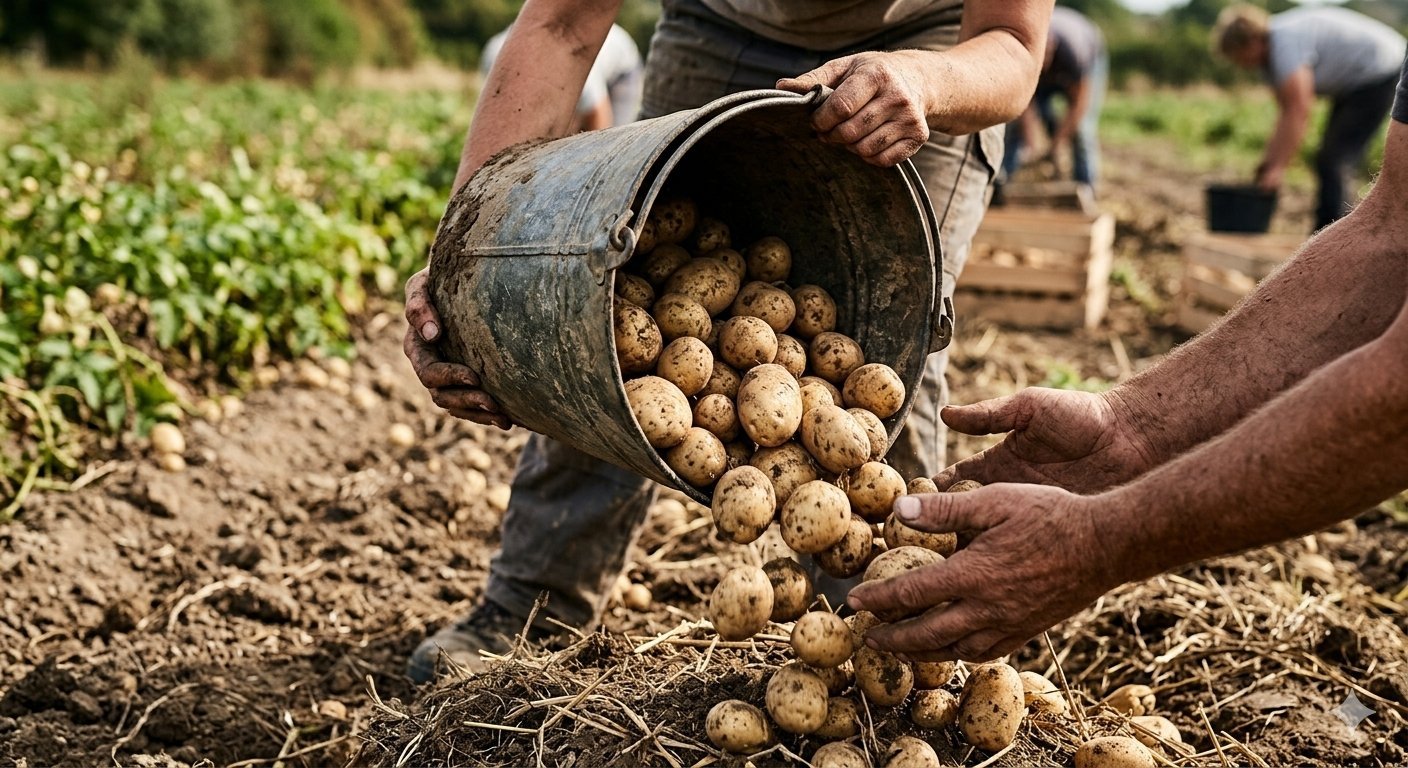
Potatoes: A popular and rewarding bucket crop — plant seed potatoes near the bottom and continue adding soil or mulch as the plant grows ("hilling"), and harvest by simply dumping out the bucket at the end of the season.
Strawberries: Multiple strawberry plants can be grown around the top of a bucket, and some gardeners drill additional planting holes in the sides for extra plants in a single container.
What Doesn’t Work Well in a 5 Gallon Bucket
Full-size indeterminate tomatoes, melons, winter squash, and corn generally need more root space, and often more plants growing together for proper pollination (as with corn), than a single bucket can provide. These are better suited to larger containers or in-ground beds.
Watering Buckets vs. Larger Containers
Buckets dry out faster than in-ground beds and often faster than larger containers, simply due to the smaller soil volume relative to the plant’s needs — especially in hot weather, daily watering is often necessary, sometimes even twice a day during a genuine heat wave. Checking soil moisture daily during the growing season, rather than assuming a set schedule, prevents the most common bucket-growing failure: drying out during a hot afternoon.
Feeding Plants in Buckets
Because bucket growing means a limited soil volume, nutrients get used up and leached out through watering faster than in a garden bed. Choose fertilizer labeled for the crop and container use, and follow its application rate. Potting mixes may already contain fertilizer, so account for that before feeding. Avoid assuming every bucket needs the same dose or schedule.
Tips for Getting the Most Out of Bucket Gardening
- Paint dark buckets a lighter color or wrap them in reflective material if they’ll sit in intense summer sun, since dark plastic absorbs heat and can overheat roots
- Group buckets together to create a slightly more humid, sheltered microclimate and make watering more efficient
- Add mulch on top of the soil to slow moisture loss between waterings
- Use a moisture meter if you’re growing several buckets and want a quick way to check several at once without the finger test each time
- Consider self-watering conversions, where a reservoir is added at the bottom of the bucket with a wicking system, significantly reducing how often you need to actively water
Planning Your Bucket Garden
A 5-gallon bucket, properly drilled for drainage and filled with quality potting mix, can grow a genuinely impressive range of vegetables — tomatoes, peppers, beans, greens, potatoes, and more — making it one of the most accessible and affordable ways to start growing food with minimal space or budget. Stick to compact or dwarf varieties for anything that would normally sprawl, water more attentively than you would a garden bed, and feed regularly to make up for the limited soil volume.
5-Gallon Bucket Gardening Questions
Can you grow tomatoes in a 5 gallon bucket?
Yes. Start with one compact or dwarf tomato plant, add support and check moisture regularly. Larger tomato varieties benefit from more root space, so a bucket is a starting container rather than an ideal size for every tomato.
How many pepper plants fit in one bucket?
One pepper plant per five-gallon bucket is a useful starting point. Crowding multiple large plants makes watering and nutrition harder to manage.
Do bucket planters need drainage holes?
Ordinary bucket planters need drainage holes and an unobstructed place for excess water to escape. A purpose-built self-watering bucket needs a reservoir and overflow system instead.
How often should you water a bucket garden?
Check moisture daily during active growth. Water when the crop needs it rather than using a fixed schedule; heat, wind, plant size and potting mix all affect drying. If leaves droop while the mix is wet, check for overwatered plant symptoms before adding more water.
Sources
Related Reading
Last modified: October 17, 2026