Tomatoes are the most-grown vegetable in home gardens, and also one of the most timing-sensitive. Plant too early and a late frost can kill young plants outright; plant too late and you lose precious weeks of a season that’s already working against you in cooler climates. Here’s how to get the timing right.
The Short Answer
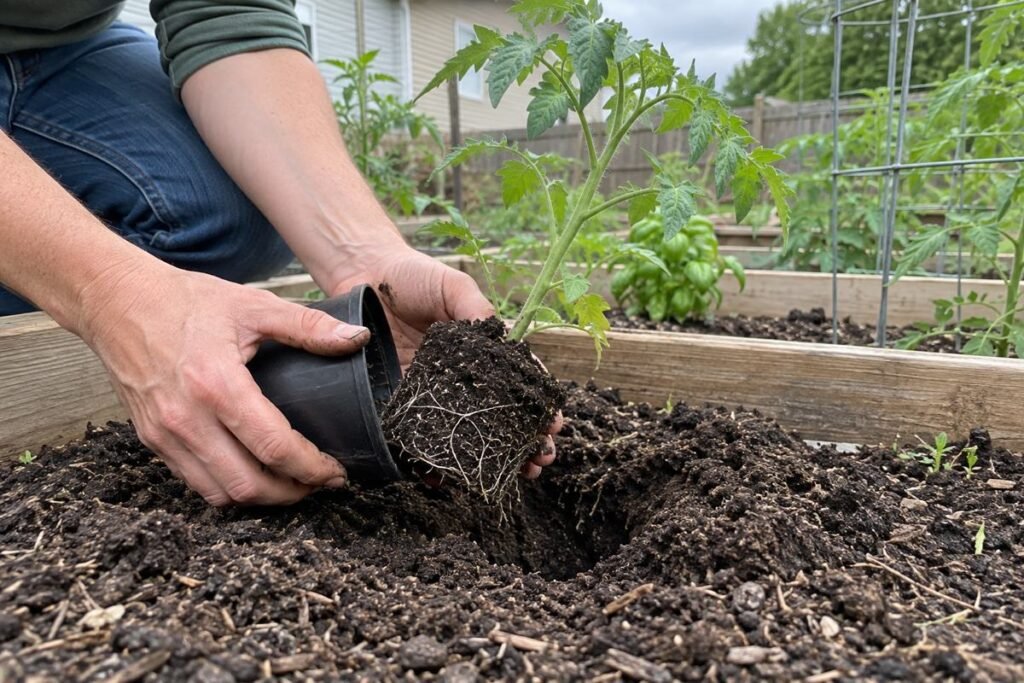
Tomatoes should go into the ground outdoors 1–2 weeks after your last spring frost date, once nighttime temperatures are reliably staying above 50°F. If you’re starting from seed, that means sowing 6–8 weeks indoors before your last frost date, so transplants are the right size and maturity when it’s time to move them outside.
Why Timing Matters So Much for Tomatoes
Tomatoes are true warm-season plants with zero frost tolerance — a single freezing night can kill young plants outright, and even temperatures in the high 30s to low 40s can stunt growth and stress the plant even without an actual frost. At the same time, tomatoes need a long, warm growing season to mature and ripen fruit, so waiting too long to plant cuts directly into your total harvest.
This tension is why the standard advice — plant a bit after your last frost date rather than right on it — exists. It sacrifices a few days of growing time in exchange for real insurance against the unpredictable, often-later-than-expected final frost of the season.
Finding Your Zone-Based Planting Window
Because frost timing varies enormously across the U.S., here’s a general guide by hardiness zone (always double-check against your specific local frost date, since zones cover a range of actual frost timing):
- Zones 3–4: Start seeds indoors early-to-mid April; transplant outside early-to-mid June
- Zones 5–6: Start seeds indoors late March to early April; transplant outside mid-to-late May
- Zones 7–8: Start seeds indoors late February to March; transplant outside mid-April to early May
- Zones 9–10: Start seeds indoors January to February; transplant outside March, and consider a second planting in late summer for a fall crop, since spring-planted tomatoes often stop setting fruit once summer heat exceeds 90°F consistently
Signs the Timing Is Right, Beyond the Calendar
Calendar dates are a useful guideline, but actual conditions matter more than the date on paper:
- Soil temperature should be at least 60°F, ideally 65-70°F, at planting depth. Cold soil stunts root development even if the air temperature seems warm enough. A simple soil thermometer, checked a few inches down in early morning, gives a reliable reading.
- Nighttime lows should reliably stay above 50°F. A single warm week followed by a cold snap is a common trap — check the extended forecast, not just the current week, before committing.
- Your transplants should have a strong root system and be hardened off, not just be the right calendar age. A leggy, underdeveloped seedling benefits from a few more days indoors even if the calendar says it’s time.
Starting Tomatoes From Seed: Timing Details
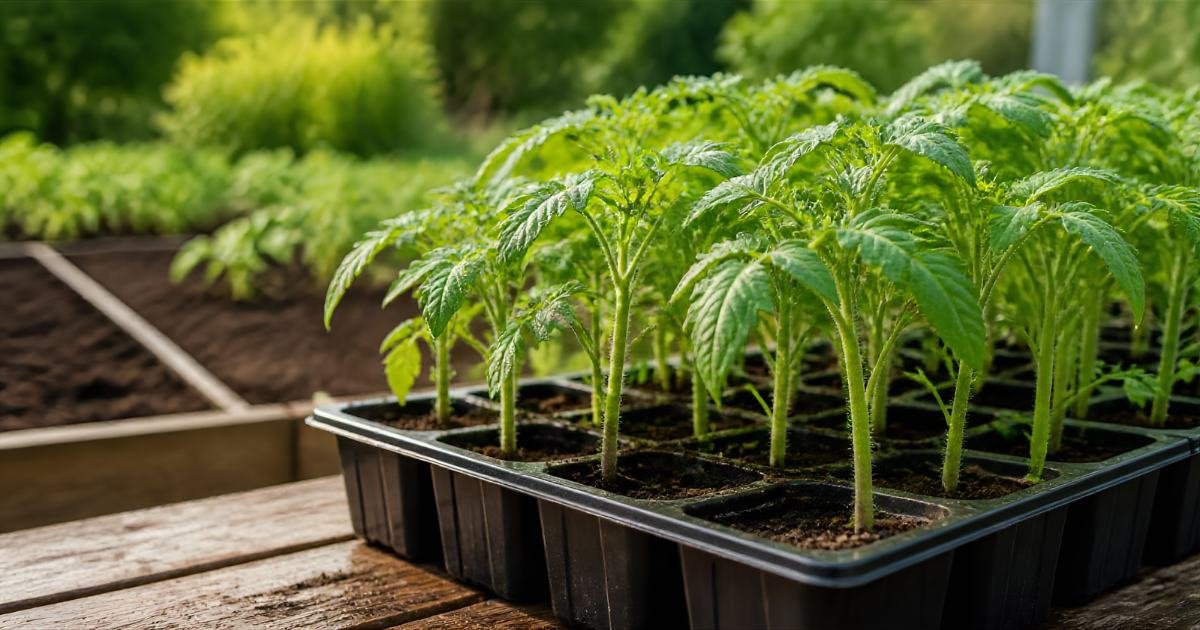
Count backward 6–8 weeks from your last frost date. Starting earlier than 8 weeks often produces leggy, rootbound plants that struggle to establish once transplanted, since indoor growing conditions rarely match what a tomato needs to grow steadily for much longer than that without becoming stressed.
Germination takes 5–10 days at a soil temperature of 70–80°F (a seedling heat mat helps considerably), and seedlings need strong light — ideally a grow light kept just a few inches above the plants — immediately after emerging to avoid stretching.
Hardening Off Before Transplanting
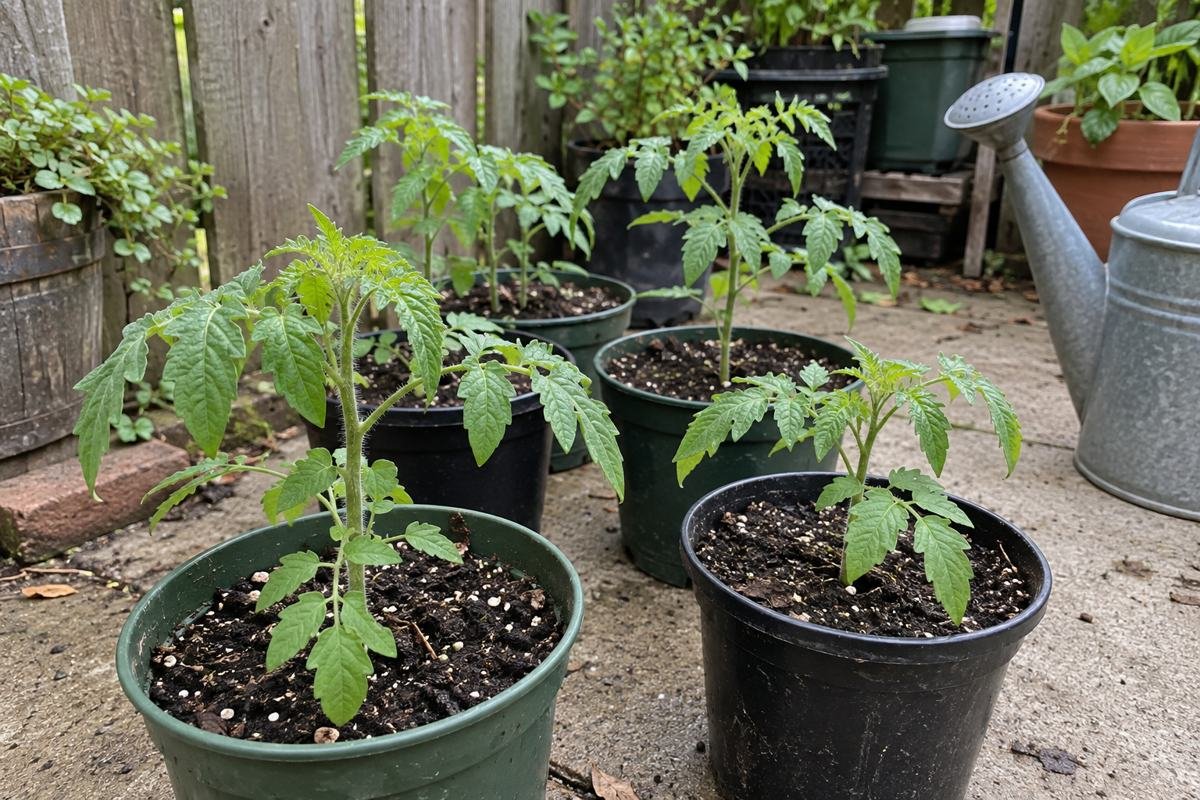
Regardless of when your calendar date arrives, tomato seedlings raised indoors need a hardening-off period of 7–10 days before their final transplant — gradually increasing outdoor sun and wind exposure each day. Skipping this step is one of the most common reasons transplants suffer serious shock or even die shortly after planting, independent of frost risk.
Should You Plant Earlier With Protection?
Some gardeners push their planting date earlier than the standard guideline using season-extending tools:
- Wall O’ Water plant protectors create a warm microclimate around individual plants and can allow planting several weeks before the standard date in some climates
- Row cover or frost cloth offers a few degrees of protection on marginal nights, useful insurance for a planting date right at the edge of frost risk
- Cold frames or low tunnels extend the effective season on both ends
These tools genuinely work, but they add complexity and aren’t a substitute for basic frost awareness — a bad enough cold snap can still damage plants under light protection.
What Happens If You Plant Too Early or Too Late
Too early: Risk of frost damage or death; even without frost, cold-stressed young tomato plants often show stunted growth, purple-tinged leaves (a sign of phosphorus uptake issues in cold soil), and delayed fruiting that can persist for weeks even after conditions warm up.
Too late: Shortened harvest window, especially risky for longer-season varieties (80–90+ days to maturity) in areas with a limited frost-free season. In hot climates, planting too late can also mean tomatoes hit their fruit-set-stopping heat threshold before producing a meaningful harvest.
The Bottom Line
Plant tomato transplants outside 1–2 weeks after your last frost date, once nighttime lows are reliably above 50°F and soil has warmed to at least 60°F — and start seeds indoors 6–8 weeks before that date if you’re growing from seed. When in doubt, a few extra days of patience is a much smaller cost than losing young plants to a late cold snap.
For a safe transplanting schedule, review Last Frost Date by ZIP Code: Find Your Planting Date and Hardening Off Seedlings: A Step-by-Step Guide.
Last modified: October 5, 2026