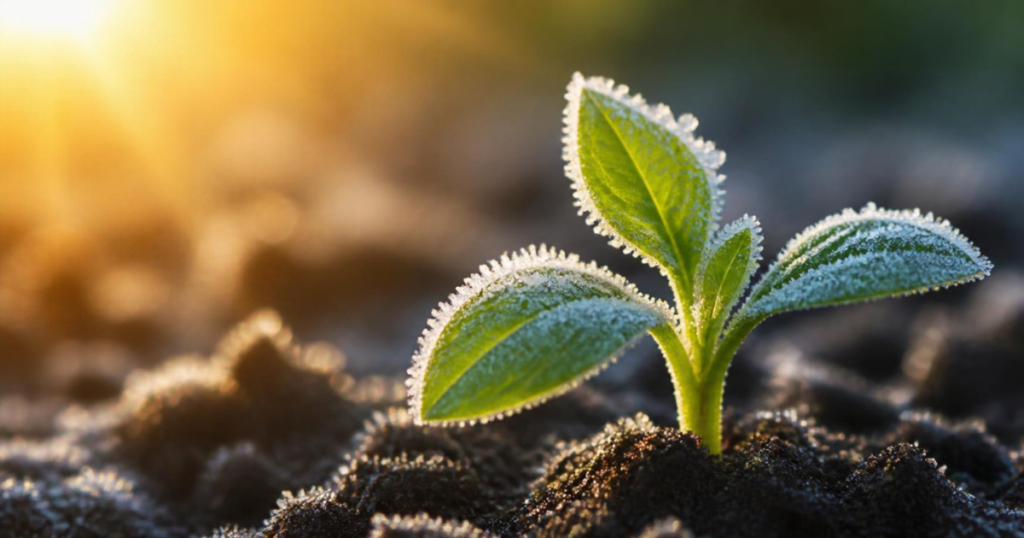
If you’ve ever planted tomatoes a little too early and watched a surprise cold snap wipe them out, you already understand why frost dates matter. Your last spring frost date and first fall frost date bookend your entire growing season, and getting them right is one of the most important pieces of planning you’ll do all year.
What "Last Frost Date" Actually Means
Your last frost date is not a guarantee — it’s a statistical estimate of when frost becomes unlikely in your area, based on decades of historical weather data. Most commonly, it’s expressed as the date with a 50% probability of frost, meaning that in half of past years, frost occurred after that date. Some resources also list a 10% or 90% probability date for gardeners who want to plant either more cautiously or more aggressively.
This matters because it directly affects two decisions: when to start seeds indoors (counted backward from this date) and when it’s safe to transplant tender seedlings outside or direct-sow frost-sensitive seeds.
How to Find Your Last Frost Date by Zip Code
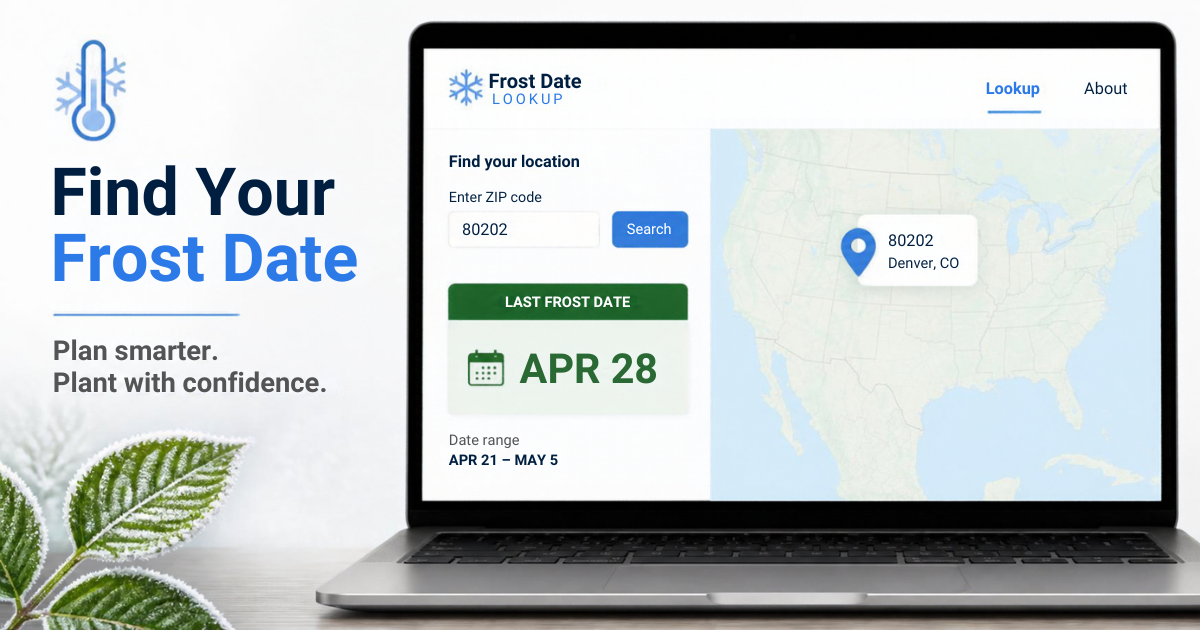
The most reliable source is the NOAA National Centers for Environmental Information, which maintains historical frost and freeze data by weather station. Several gardening sites, including the Old Farmer’s Almanac, offer a simple zip-code lookup tool that pulls from this data and returns your estimated last spring frost date and first fall frost date in seconds.
A few things to keep in mind when you look yours up:
- Results can vary between tools depending on which nearby weather station they pull from and which probability threshold they use, so treat the date as a helpful estimate, not an exact cutoff.
- Elevation and microclimates shift your real date. If you’re in a valley, near a large body of water, or in an urban area, your actual frost timing may differ from the general zip-code estimate by a week or more.
- Frost dates change over time. Climate data is periodically updated, and some regions have seen their frost dates shift earlier or later over recent decades, so a source using more recent data (30-year averages updated regularly) tends to be more accurate than an older reference.
How to Use Your Last Frost Date
For starting seeds indoors: Count backward from your last frost date using the timing on your seed packet — typically 4–8 weeks for most vegetables, though some slow growers like peppers benefit from 8–10 weeks.
For transplanting outside: Wait until after your last frost date to move tender plants like tomatoes, peppers, basil, and cucumbers outdoors, and ideally wait a little longer than the exact date if you’re in an area prone to late cold snaps. Many experienced gardeners treat the 50% probability date as a rough guideline and wait one to two weeks past it for genuinely frost-sensitive crops.
For direct sowing: Cold-hardy crops like peas, spinach, and lettuce can often be direct-sown a few weeks before your last frost date, since they tolerate light frost. Frost-tender crops like beans, squash, and corn should wait until after it.
Last Frost Date vs. First Frost Date
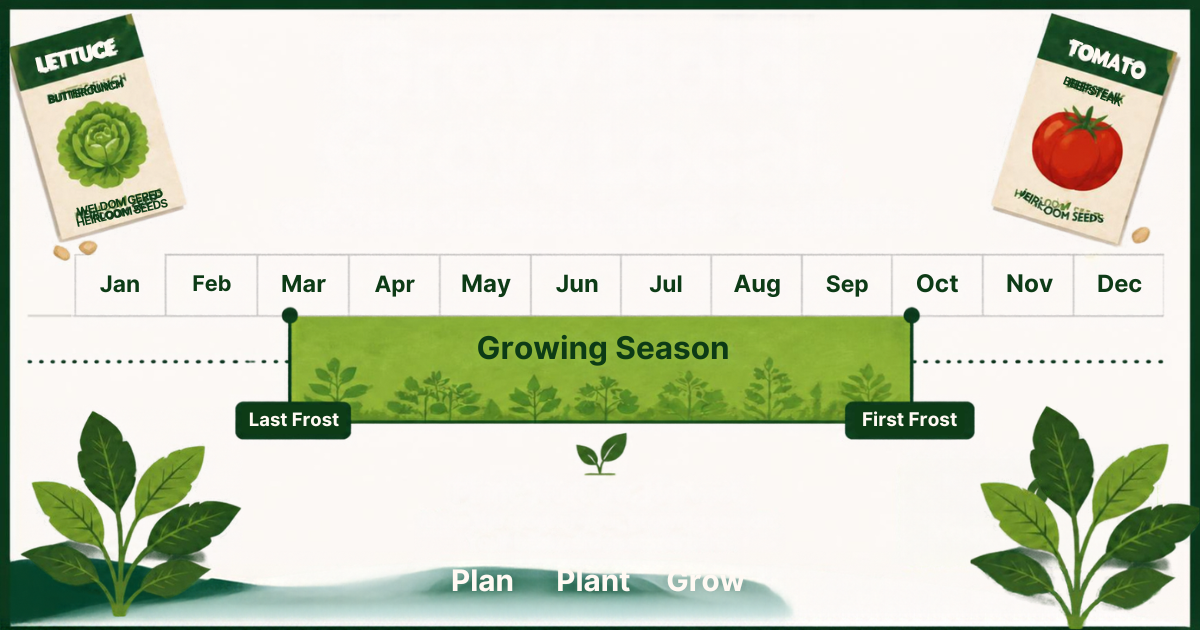
Your last frost date marks the start of your safe planting window in spring; your first frost date in fall marks the end of it. Together, they define your frost-free growing season length, which determines what you can realistically grow — a 90-day tomato variety needs at minimum 90 frost-free days to mature and produce before cold weather returns, and ideally more of a buffer than that.
If your frost-free season is short, look specifically for "days to maturity" on seed packets and choose faster-maturing varieties, or plan to start those crops indoors to effectively extend the usable season.
Working Backward From First Frost in Fall
Just as spring planting works backward from your last frost date, fall harvest planning works backward from your first frost date. For a fall vegetable garden, count back the "days to maturity" listed on the seed packet from your first frost date to determine the latest safe planting date — and add a couple of extra weeks as a buffer, since plant growth naturally slows as daylight hours shorten in early autumn, even before temperatures actually drop.
What to Do When Frost Threatens Unexpectedly
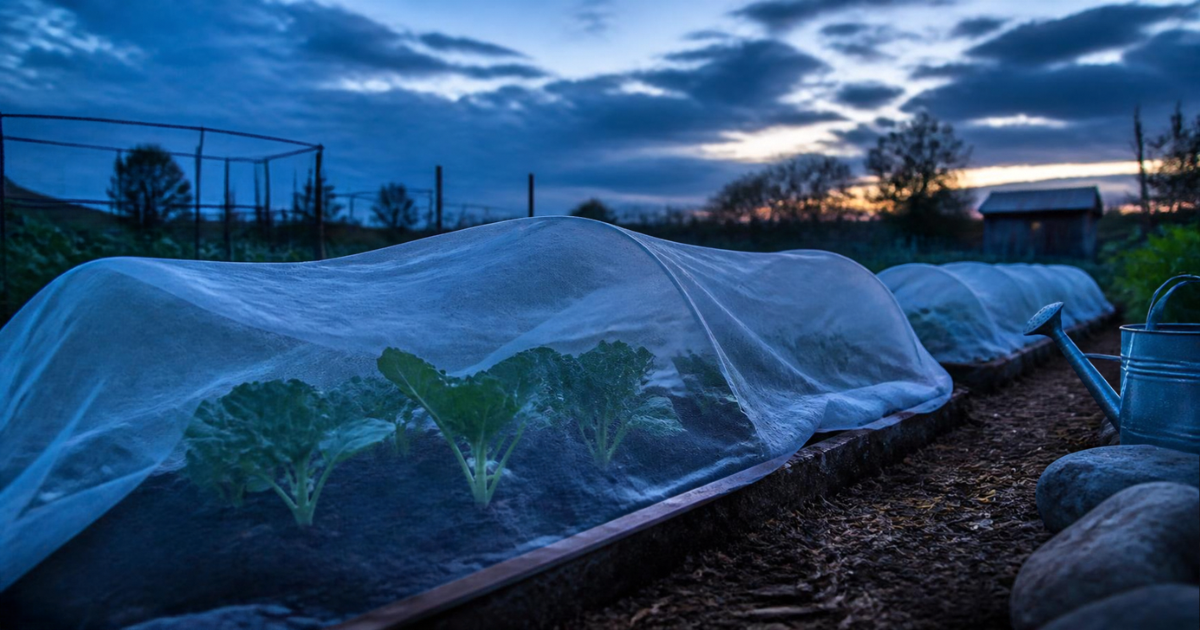
Even with good planning, late spring frosts and early fall frosts happen. If a cold night is forecast after you’ve already planted tender crops:
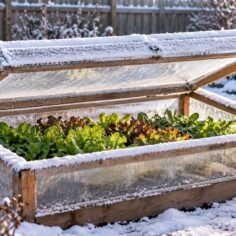
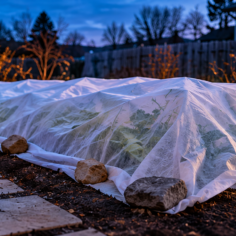
- Cover plants with row cover, old sheets, or overturned buckets before evening, removing coverings the next morning once temperatures rise
- Water the soil beforehand — moist soil holds heat better than dry soil and releases it slowly overnight
- Bring container plants indoors or into a garage temporarily if frost is expected
The Bottom Line
Look up your last frost date by zip code before you plan your planting calendar, treat it as a probability rather than a guarantee, and build in a small buffer for genuinely frost-tender crops. Combined with your first fall frost date, it defines your entire growing window — the single most useful piece of information for deciding what to grow and when.
To turn frost dates into a planting plan, see USDA Hardiness Zone Map: Find Your Zone and When to Plant Tomatoes: Seeds & Transplants.
Last modified: October 5, 2026