Aphids are among the most common garden pests precisely because they’re so good at reproducing — a single female can produce dozens of offspring without even mating, and populations can explode from a handful to hundreds within a couple of weeks. The good news is that they’re also one of the easier pests to control once you catch them, whether they’re on your outdoor vegetables, your herb pots, or your houseplants.
How to Identify an Aphid Infestation
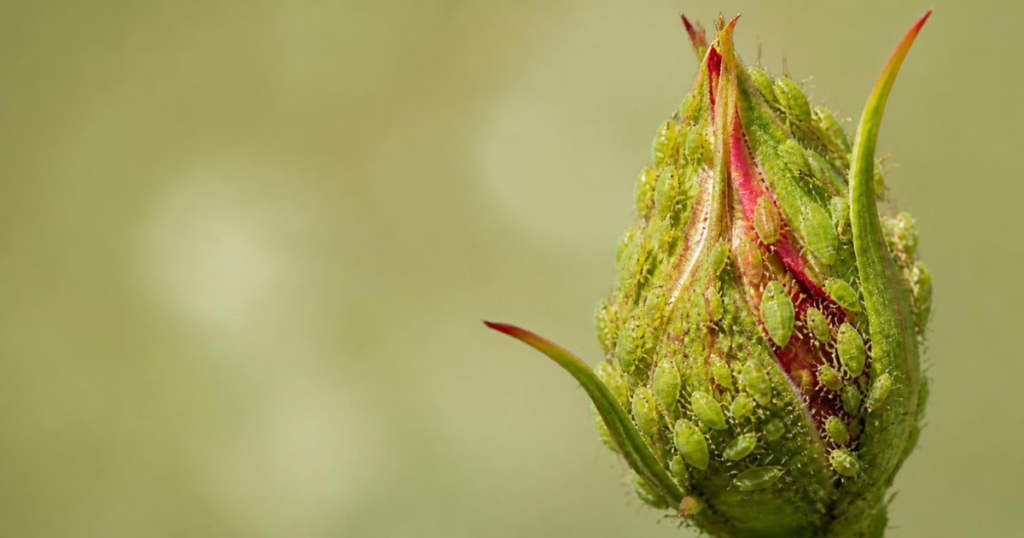
Aphids are small, soft-bodied insects, usually 1/8 inch or smaller, that cluster densely on new growth, stems, and the undersides of leaves. They come in various colors — green, black, brown, gray, or even pink — depending on species and host plant, but their pear-shaped body and tendency to gather in tight groups rather than scatter individually is a consistent giveaway.
Signs of an infestation beyond the insects themselves:
- Sticky residue (honeydew) on leaves and surfaces below the plant, sometimes with a black, sooty mold growing on it
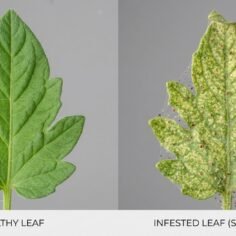
- Curled, distorted, or yellowing new growth, since aphids preferentially feed on tender new tissue
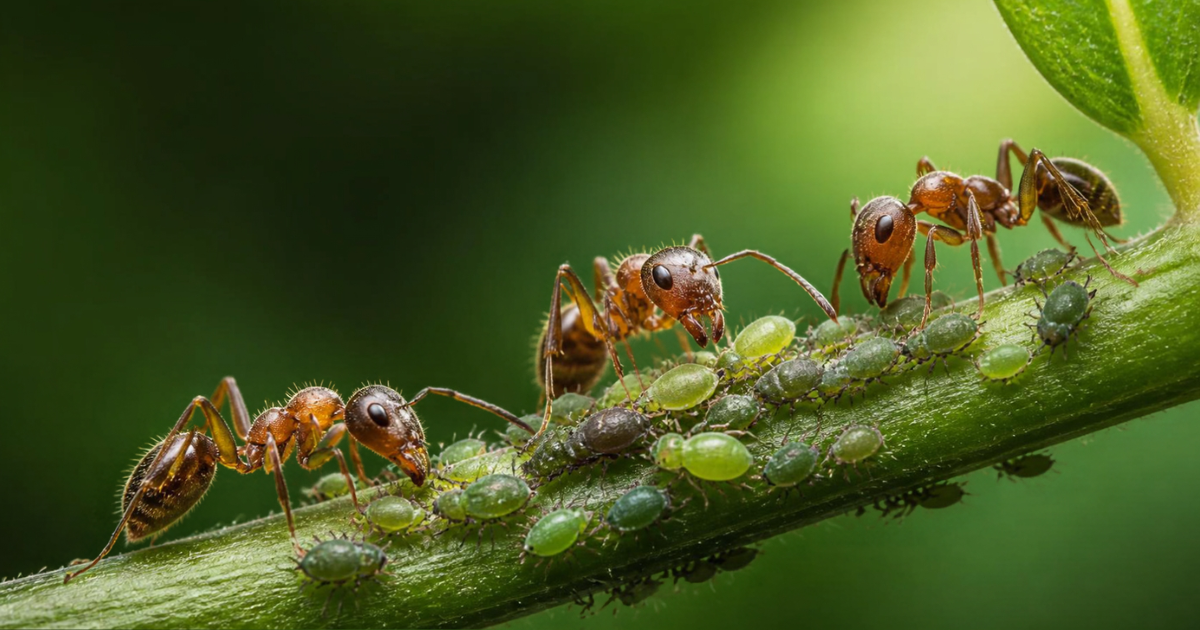
- Ants trailing up and down stems, since ants farm aphids for their honeydew and will actively protect them from predators
Why Aphids Show Up
Aphids are drawn to lush, tender new growth, which is why they’re especially common on plants that have recently been fertilized with a high-nitrogen feed, pushing out a flush of soft new leaves. They also spread easily between plants, carried by wind, on clothing, or by ants moving them deliberately to new feeding sites.
How to Get Rid of Aphids
Step 1: Physically remove what you can
For light infestations, a strong spray of water from a hose or sink sprayer can knock most aphids off the plant. They’re slow to climb back on, and many won’t survive the fall or will be picked off by predators before they can. This works especially well on sturdy plants that can handle the spray without damage.
Step 2: Apply insecticidal soap or horticultural oil
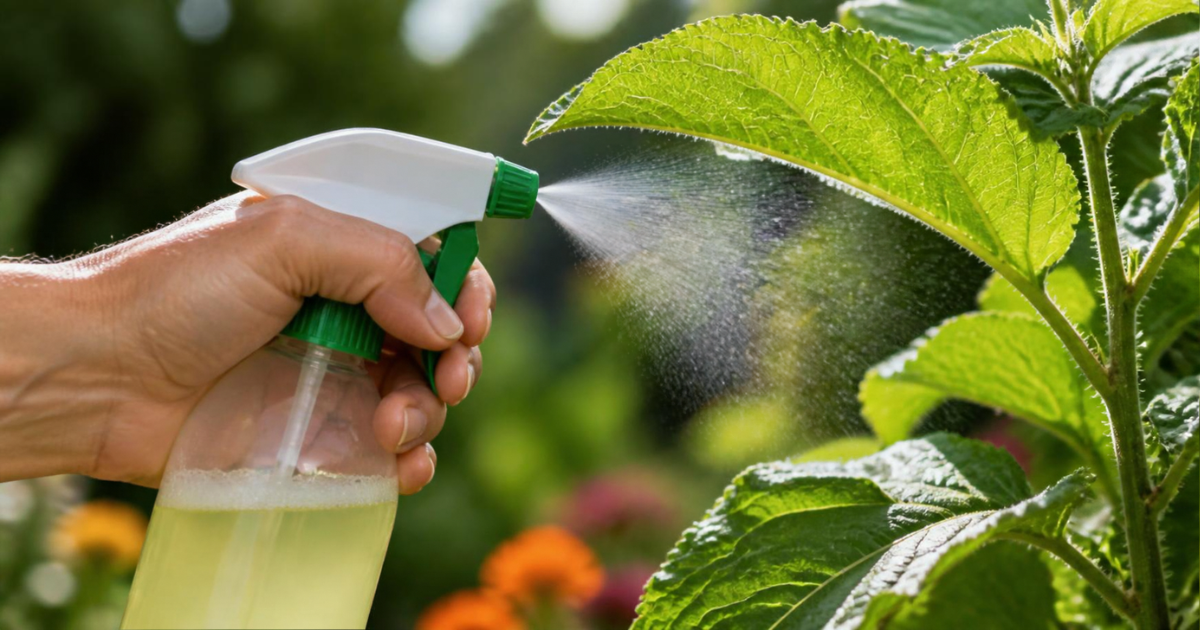
For anything beyond a light infestation, insecticidal soap is the most reliable, low-risk treatment. It works by disrupting the aphids’ outer cell membranes on contact, so thorough coverage matters — spray both the tops and undersides of leaves, and reapply every 5–7 days for two to three treatments to catch newly hatched aphids.
Horticultural oil and neem oil work similarly and have the added benefit of some residual effect. Neem oil in particular also disrupts aphid feeding and reproduction over time, though it typically takes longer to see results than soap.
A note on herbs and edibles: Insecticidal soap and neem oil are both labeled safe for use on edible herbs and vegetables when used as directed, but always rinse produce before eating and check the product label for any harvest-interval requirements.
Step 3: Bring in natural predators
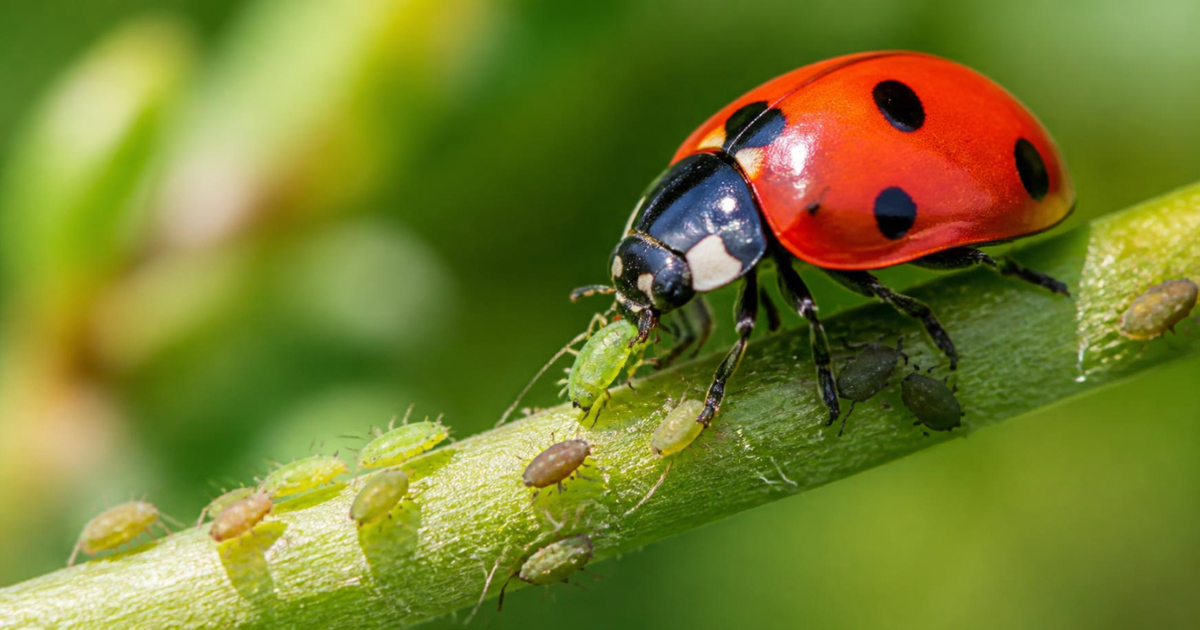
If you’re dealing with aphids outdoors, encouraging or introducing natural predators is one of the most effective long-term solutions. Ladybugs, lacewings, and parasitic wasps all feed on aphids, and many gardeners plant flowers like dill, fennel, yarrow, and alyssum specifically to attract these beneficial insects. Ladybugs can also be purchased and released directly onto an infested plant, though they’ll often disperse if there isn’t a lasting food source nearby.
Step 4: Control ants
If ants are present and actively farming the aphids, they’ll fight off ladybugs and other predators to protect their food source. Dealing with the ant colony — using ant bait stations away from the plant, or a barrier like diatomaceous earth around the base — removes that protection and makes other control methods far more effective.
Step 5: Prune heavily infested growth
For small infestations concentrated on a few new shoots, simply pruning off and disposing of the affected growth (not composting it) can remove a large percentage of the population in one step, especially useful for plants like roses or herbs where aphids cluster tightly on tender tips.
Aphids on Herbs Specifically
Herbs like basil, mint, and dill are frequent aphid targets because they’re constantly producing soft new growth. Because you’re eating these plants, stick to insecticidal soap, neem oil, or a simple water spray rather than synthetic insecticides. Harvesting regularly also helps — frequent pinching keeps plants producing new growth in smaller flushes rather than one large tender flush that aphids can overwhelm.
Aphids on Houseplants
Indoor infestations tend to persist longer because there are no natural predators to help. Isolate the affected plant from others immediately to prevent spread, then treat with insecticidal soap weekly until you go two full weeks without seeing new aphids. Wiping leaves down with a damp cloth between treatments helps physically remove eggs and stragglers that spray alone might miss.
Preventing Aphids From Coming Back
- Avoid over-fertilizing, especially with high-nitrogen feeds that push excessive soft new growth
- Inspect new plants before bringing them near your existing collection
- Encourage beneficial insects outdoors with pollinator-friendly companion planting
- Check plants weekly during active growing season, since catching a handful of aphids is far easier than dealing with an established colony
The Bottom Line
Aphids multiply fast, but they’re not hard to beat: knock them back physically, treat thoroughly with insecticidal soap or neem oil, address any ant problem protecting them, and lean on natural predators outdoors where you can. Stay consistent for two to three weeks and most infestations clear up completely.
If your plant also shows leaf damage, compare Why Are My Plant Leaves Curling? Causes & Fixes and Brown Spots on Leaves: Causes & Fixes.
Last modified: October 5, 2026