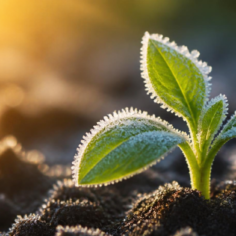
Winter gardening surprises a lot of people who assume the growing season simply ends when temperatures drop. In reality, a wide range of vegetables not only tolerate cold — many actually taste better after a frost, as cold triggers plants to convert starches into sugars for natural frost protection.
Understanding Cold Hardiness Categories
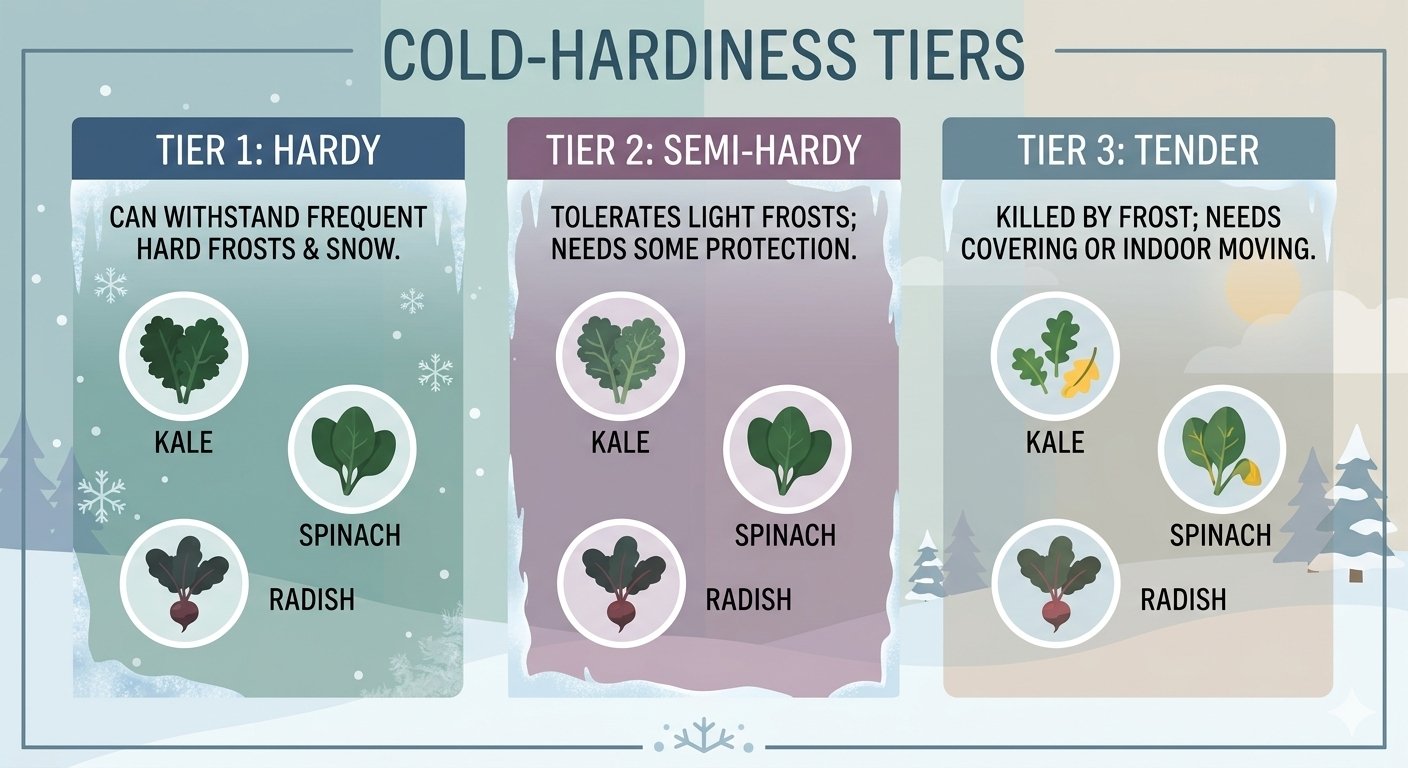
Winter vegetables generally fall into three tiers of cold tolerance:
Hardy crops can survive hard freezes and temperatures well below 20°F with minimal protection: kale, collards, Brussels sprouts, and garlic all fall here.
Semi-hardy crops tolerate light frost and temperatures into the mid-20s but benefit from row cover or a cold frame during harder freezes: spinach, lettuce, Swiss chard, and many Asian greens.
Tender crops that most people associate with winter gardening are actually planted for a fall harvest before frost, not grown through freezing temperatures — radishes and turnips fit here if planted late.
Best Vegetables to Plant for a Winter Harvest
Kale is the poster child for winter vegetables. It survives temperatures down to around 10°F unprotected, and cold exposure genuinely sweetens its flavor, reducing the slightly bitter edge it has in warmer weather.
Spinach tolerates temperatures into the low 20s and, in many climates, can be overwintered as young plants that resume active growth once days lengthen in late winter, giving an extra-early spring harvest.
Collard greens rival kale for cold hardiness and are a staple winter crop in many regions, holding up to hard freezes with barely any protection needed.
Brussels sprouts actually need a stretch of cold to develop their best flavor, and many gardeners intentionally leave them in the ground through a few frosts before harvesting for this reason.
Garlic, while not harvested until summer, is planted in fall specifically to spend winter in the ground, using the cold period to trigger proper bulb development.
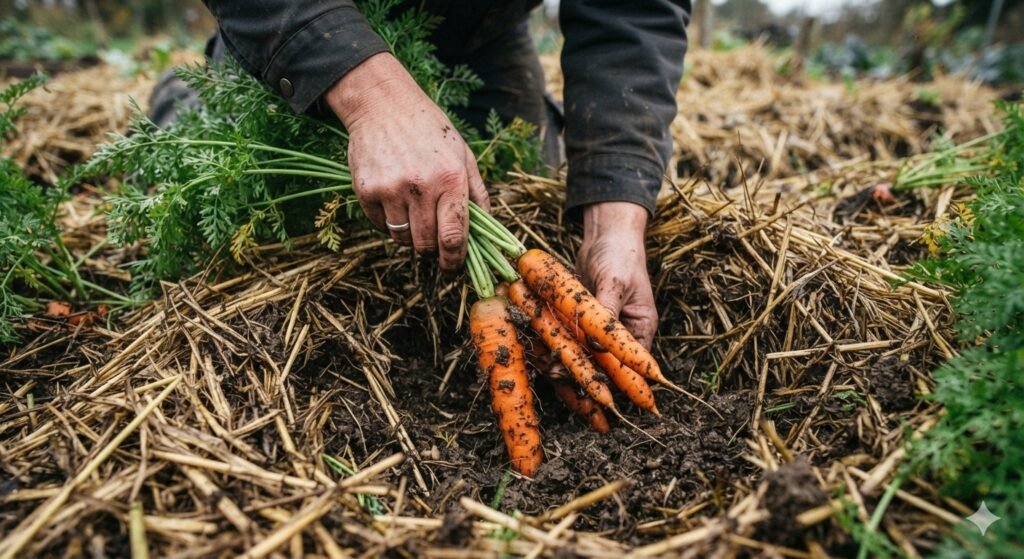
Carrots left in the ground and mulched heavily can be harvested through much of winter in moderate climates, with cold actually improving their sweetness.
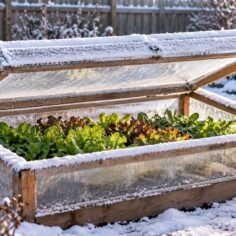
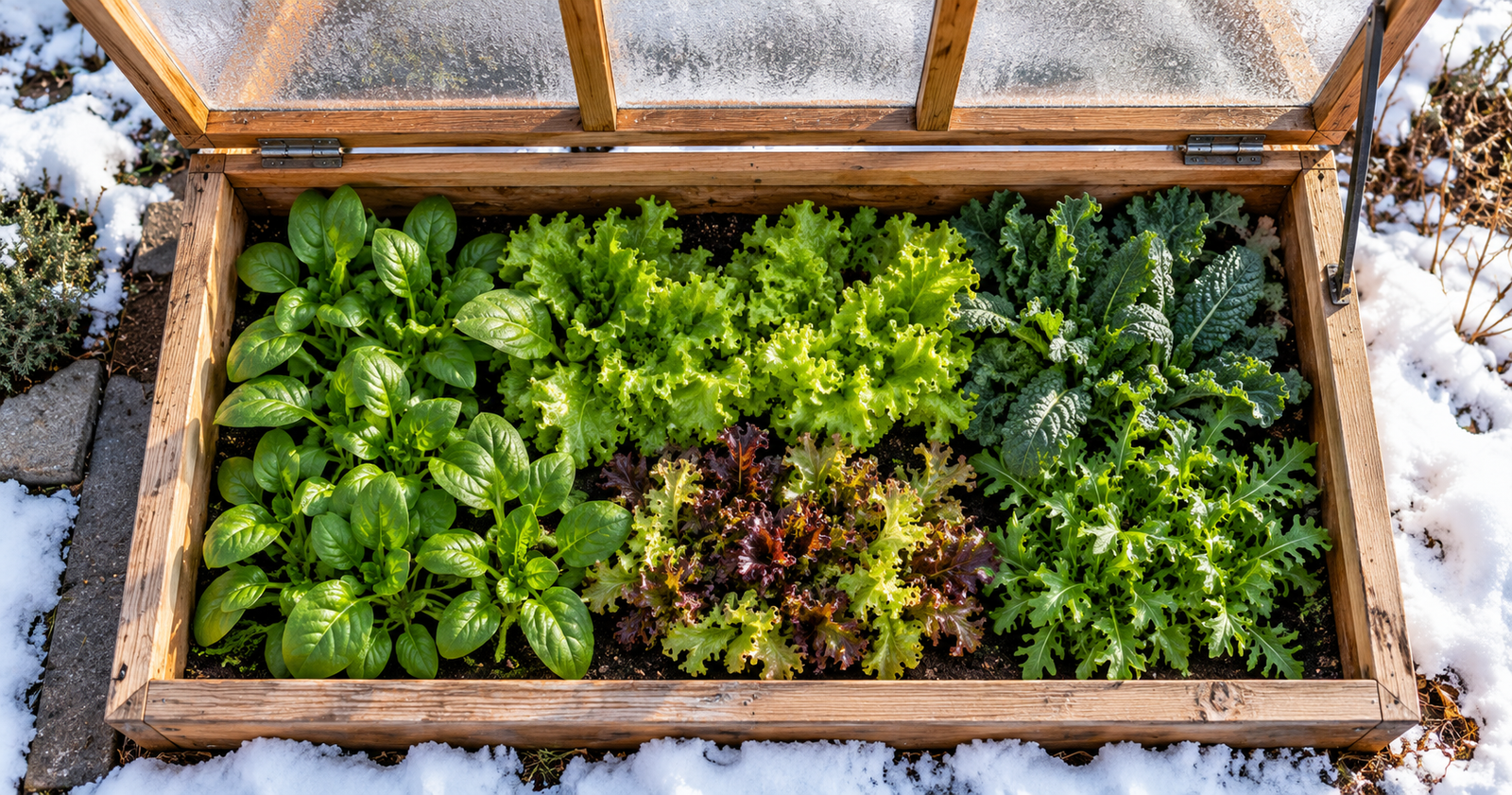
Winter lettuce and mesclun mixes, grown under a cold frame or low tunnel, can provide fresh greens through much of winter in a surprising range of climates.
Asian greens like bok choy, tatsoi, and mizuna are fast-growing, cold-tolerant, and well suited to a cold frame or unheated greenhouse setup.
When to Plant for Winter Harvest
Timing depends on your goal:
- For a harvest before hard winter sets in: Plant in late summer to early fall, counting backward from your first fall frost date using the "days to maturity" on the seed packet, plus an extra few weeks buffer since growth slows as daylight shortens.
- For crops that will actually grow through winter cold (kale, collards, spinach in mild climates): Plant in late summer or early fall so plants are established before the coldest temperatures arrive; they’ll then hold in a slow-growing or dormant state through the coldest months.
- For garlic specifically: Plant in fall, 2–6 weeks before the ground freezes, for a summer harvest the following year.
How to Protect Winter Vegetables
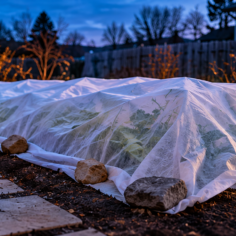
Row cover (frost cloth) is the simplest and most widely used protection, typically adding 4-8°F of protection depending on thickness, and can be left in place for extended stretches without needing daily removal.
Cold frames — essentially mini unheated greenhouses, often built from an old window frame set at an angle over a garden bed — can extend the growing season significantly by trapping solar heat during the day and slowing heat loss at night, often allowing continued harvests well into winter in climates that would otherwise shut a garden down by late fall.
Low tunnels, built from hoops and either row cover or plastic sheeting, offer similar benefits to a cold frame over a longer garden bed, and can be vented on warmer days to prevent overheating.
Heavy mulch protects root crops like carrots and beets left in the ground, insulating them from freezing even after top growth has died back, effectively turning the garden bed into cold storage you can harvest from as needed.
Cold Frame Basics for Winter Vegetables
A cold frame works by trapping daytime solar heat under a transparent lid (often an old window), creating a warmer microclimate than the open garden. On sunny winter days, cold frames can trap surprising amounts of heat, sometimes to the point of overheating tender greens if not vented, so checking and propping the lid open on unexpectedly warm days matters as much as closing it against cold nights.
Position a cold frame facing south for maximum sun exposure, and bank the outside edges with mulch, straw bales, or soil for extra insulation in the coldest weather.
Common Mistakes With Winter Vegetable Gardening
Planting too late. Growth slows dramatically as daylight shortens, even before hard freezes hit, so many winter vegetables need to reach near-maturity before the shortest days of the year, after which growth essentially pauses until spring light returns.
Skipping protection during the coldest snaps. Even hardy crops benefit from row cover during an unusually severe cold event, and the difference between protected and unprotected plantings during a hard freeze can be the difference between a full harvest and a wipeout.
Overwatering in cold, slow-growing conditions. Plants use much less water in winter’s short, cool days, and soil that stays consistently wet in cold weather is more prone to rot issues than in the active growth of summer.
Choosing the wrong varieties. Seed catalogs often specifically label varieties as "winter hardy" or good for "overwintering" — choosing a variety bred for this purpose meaningfully outperforms a standard summer variety planted late.
The Bottom Line
A winter garden is entirely achievable in most climates with the right crop choices — kale, collards, spinach, carrots, and garlic are all reliable performers — and the right timing, planted early enough in fall to establish before growth slows. Add row cover or a simple cold frame for the coldest stretches, and you can keep harvesting fresh vegetables well past when most gardens have gone dormant for the year.
To match winter crops to your climate and protect them, see USDA Hardiness Zone Map: Find Your Zone and How to Protect Plants From Frost.
Last modified: October 5, 2026