An indoor garden opens up growing to anyone, regardless of yard size or climate, and lets you produce fresh herbs, greens, and even some vegetables year-round. Getting started is more about a handful of foundational decisions than any special skill — here’s how to set yours up right from day one.
Step 1: Assess Your Light
Light is the single biggest factor in indoor gardening success, more important than soil, containers, or almost anything else. Before choosing plants, honestly evaluate what you have available:
- A south-facing window (in the Northern Hemisphere) offers the strongest, most direct natural light for most of the day and can support a wider range of plants, including some flowering and fruiting ones.
- East or west-facing windows offer moderate direct light for part of the day and suit many foliage plants and herbs well.
- North-facing windows or rooms with limited natural light support only genuinely low-light-tolerant plants without supplemental lighting.
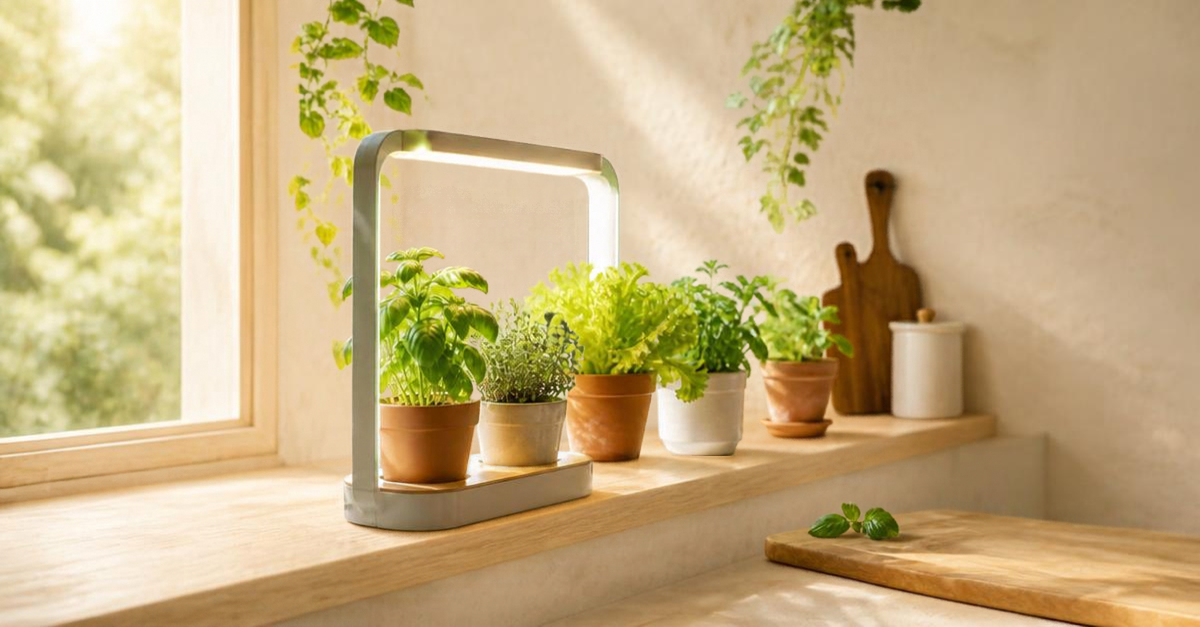
If your natural light is limited, a grow light isn’t a luxury — it’s often the difference between plants that merely survive and ones that actually thrive and produce. A basic full-spectrum LED grow light positioned close to plants and run for 12–16 hours a day can effectively substitute for a bright window in almost any room.
Step 2: Choose What to Grow
Start with a small selection of forgiving, high-reward plants rather than attempting a large, ambitious setup right away.
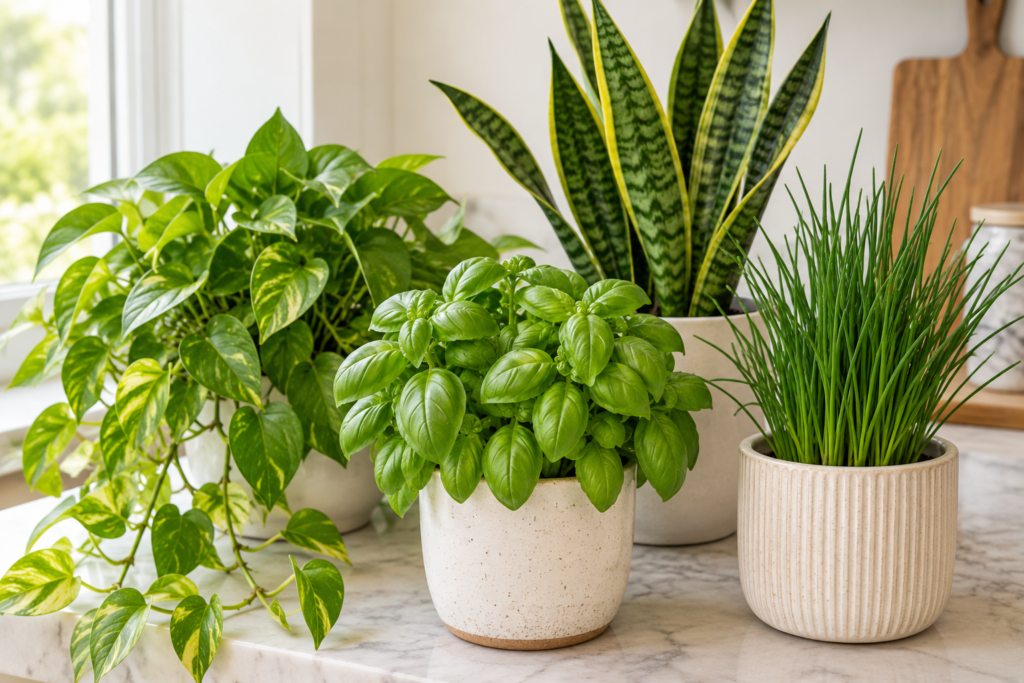
Best herbs for beginners: basil, chives, mint, and parsley are all fast-growing, forgiving, and genuinely useful in the kitchen almost as soon as they’re established. Basil in particular rewards regular harvesting with fuller, bushier growth.
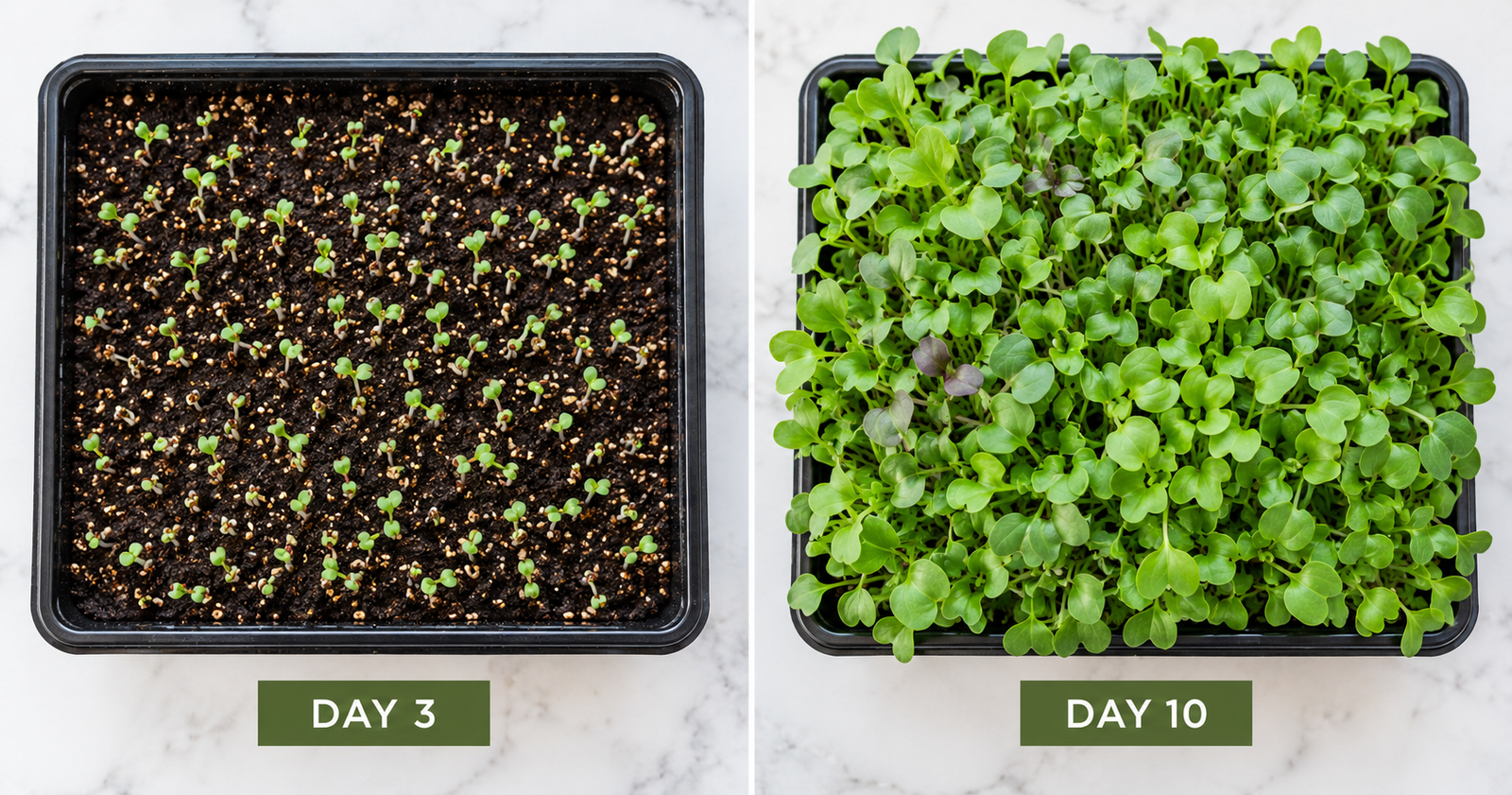
Best vegetables for indoor growing: leafy greens like lettuce and spinach handle indoor conditions well and mature quickly, often ready to harvest within a month. Microgreens are the fastest payoff of all, ready in as little as 7–14 days from seed. Dwarf tomato varieties, bred specifically for compact container growing, can fruit indoors under a strong grow light, though full-size tomato varieties generally need more space and light than most indoor setups can provide, plus hand-pollination since indoor growing lacks the bees and wind that outdoor plants rely on.
Easiest houseplants to start with, if food isn’t the goal: pothos, snake plant, and ZZ plant tolerate a wide range of light and watering conditions and are nearly impossible to kill through minor neglect, making them ideal confidence-builders for a first-time indoor gardener.
Step 3: Choose Containers
Any container works as long as it has drainage holes — excess water needs somewhere to go, or roots will sit in saturated soil and eventually rot. If you love a decorative pot without drainage, use it as an outer cover for a plain, properly draining nursery pot inside rather than planting directly into it.
Match pot size to the plant: a pot that’s too large holds excess moisture around roots that aren’t yet using it, increasing rot risk, while a pot that’s too small restricts growth and dries out unusually fast, requiring more frequent watering than would otherwise be necessary.
Step 4: Choose the Right Soil
Use a quality potting mix formulated for container growing — never garden soil, which compacts badly in containers, drains poorly, and can introduce pests or disease. For seed starting specifically, a lighter seed-starting mix (rather than standard potting mix) improves germination and reduces the risk of damping-off, a fungal disease that affects young seedlings in overly wet, poorly draining conditions.
Step 5: Water Based on the Plant, Not a Schedule
Rather than watering on a fixed schedule, check soil moisture with a finger before watering — for most plants, water when the top inch or two feels dry. This single habit prevents the majority of indoor gardening failures, since overwatering is the most common way indoor plants and seedlings are lost.
Step 6: Set Up Feeding
Potting mix has limited built-in nutrition, especially after the first few weeks of growth, and indoor plants rely entirely on you for ongoing feeding since there’s no natural soil ecosystem replenishing nutrients. A balanced liquid fertilizer, diluted and applied every one to two weeks during active growth, covers most indoor herbs and vegetables well. Reduce or pause feeding during any period of slower winter growth.
Step 7: Monitor for Common Problems Early
Indoor growing conditions — enclosed air, no natural predators, consistent warmth — can actually make certain problems, like fungus gnats and spider mites, more persistent than they’d be outdoors. Check plants weekly, particularly leaf undersides, and address small issues immediately rather than letting them establish, since indoor infestations tend to spread between nearby plants more easily than outdoor ones with more space and airflow between them.
Step 8: Consider a Dedicated Setup as You Grow
Once you’ve had success with a windowsill setup, many indoor gardeners expand into more structured systems:
- A dedicated grow light shelf or cart for consistent light regardless of window orientation or season
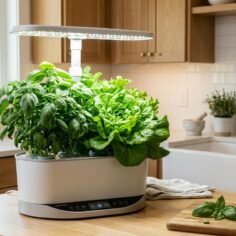
- A hydroponic system, which grows plants in a nutrient solution rather than soil and can produce notably faster growth for leafy greens and herbs, though it has its own learning curve around nutrient balance and pH
- A small greenhouse cabinet or humidity dome setup for plants that need more consistent warmth and humidity than an open room provides
Common Beginner Mistakes to Avoid
- Underestimating light needs and choosing plants that need more than the space actually provides
- Overwatering, by far the most common cause of early failure
- Starting with too many plants at once, making it hard to give each one proper attention while you’re still learning their individual needs
- Using garden soil instead of potting mix
- Ignoring pests until they’re well established, rather than checking regularly from the start
The Bottom Line
A successful indoor garden starts with an honest read of your available light, a small selection of forgiving plants suited to that light, containers with real drainage, and a habit of checking soil before watering rather than following a fixed schedule. Start small, get a feel for how your specific space and plants behave, and expand from there once you’ve built some confidence.
For lighting and a smaller herb-growing setup, see Best Grow Lights for Indoor Plants: Buying Guide and Indoor Herb Garden Kit: Choosing & Growing.
Last modified: October 17, 2026