Hydroponic gardening — growing plants in a nutrient-rich water solution instead of soil — has moved from a niche commercial technique to a genuinely accessible home gardening method, thanks to a wave of consumer-friendly systems that handle most of the complexity for you. Here’s what beginners actually need to know before starting.
How Hydroponic Gardening Works
Instead of soil, hydroponic systems suspend plant roots directly in, or expose them regularly to, a water solution containing all the nutrients a plant needs, dissolved in precise, plant-available form. Because nutrients are delivered directly to the roots in solution rather than needing to be broken down from organic matter in soil, plants often grow noticeably faster than their soil-grown counterparts, and the controlled environment eliminates most soil-borne pests and diseases entirely.
Main Types of Hydroponic Systems
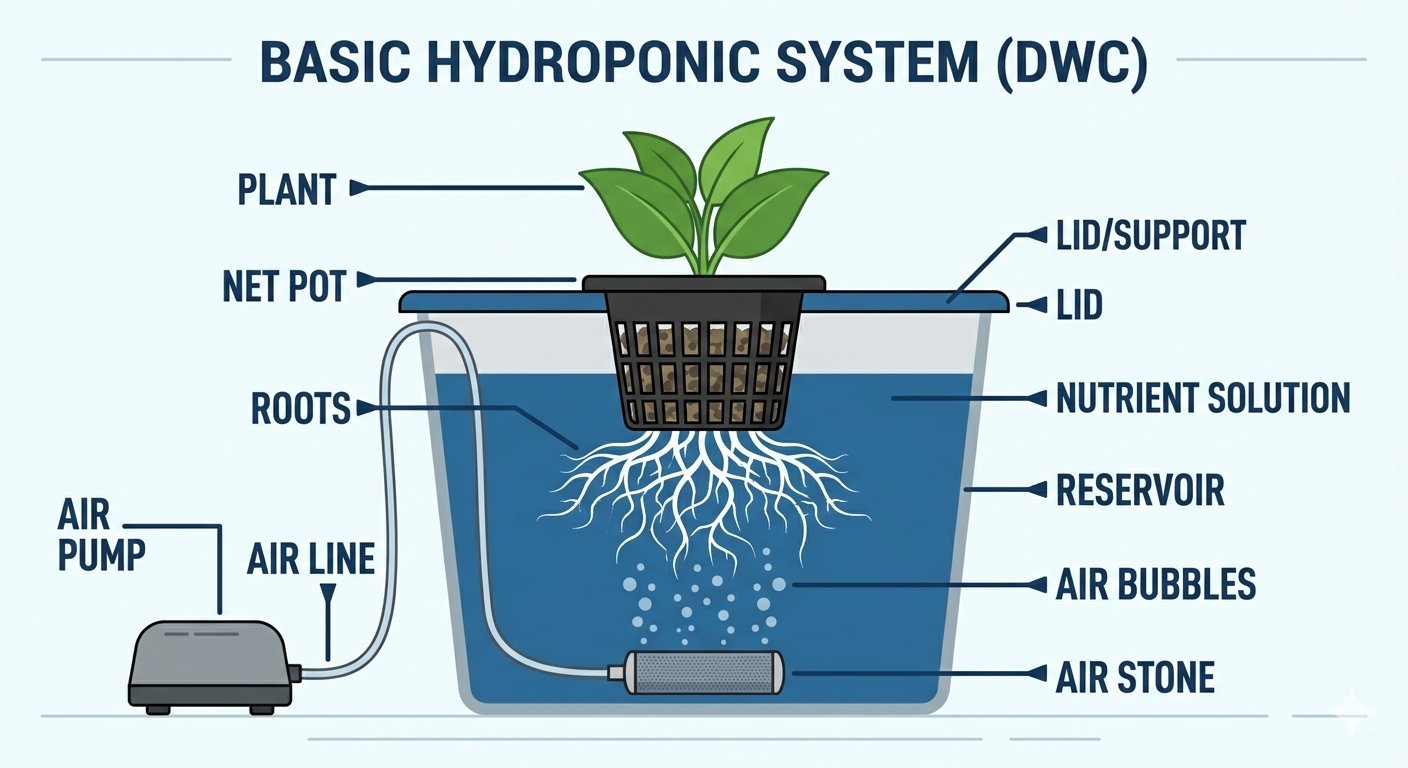
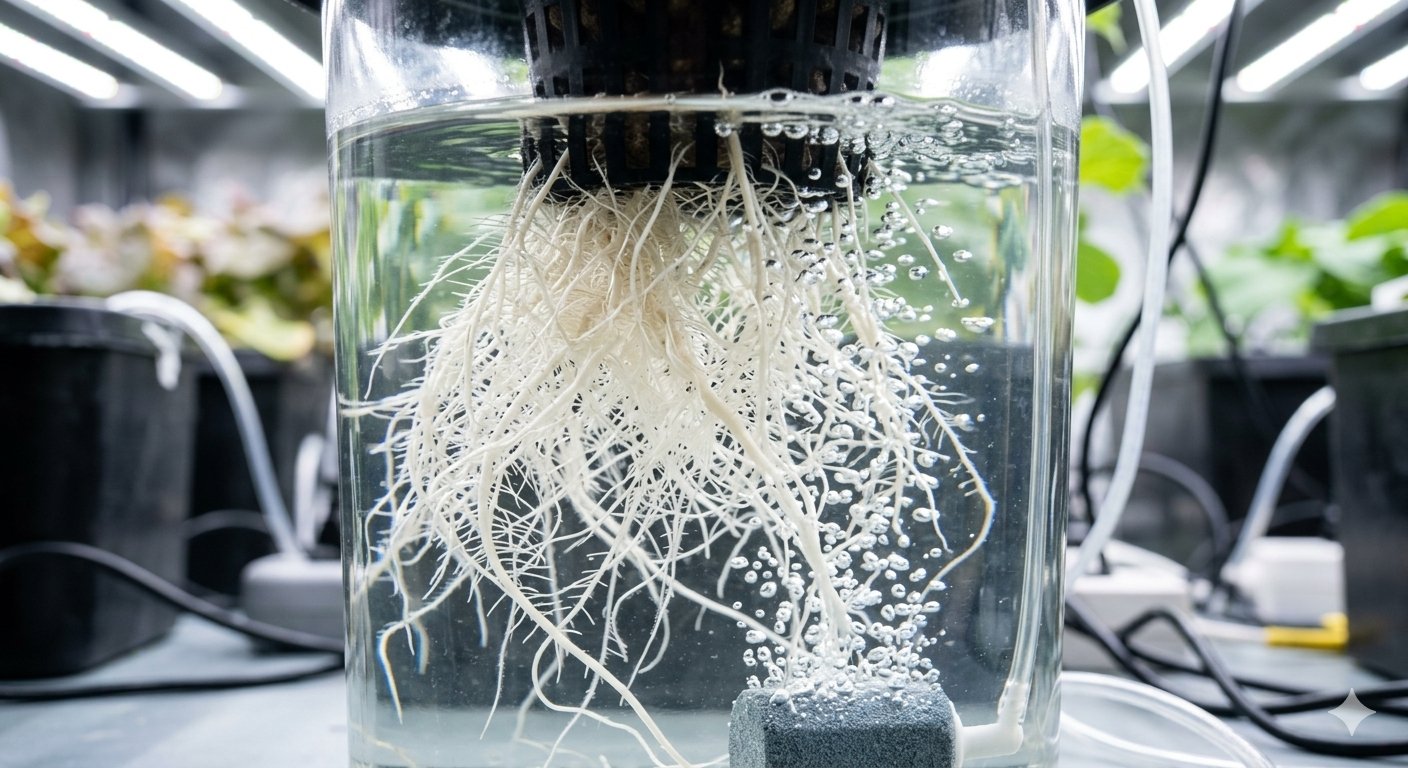
Deep Water Culture (DWC): Plant roots hang directly into an oxygenated nutrient solution, with an air pump and air stone keeping the water oxygenated (roots need oxygen just as much in water as they do in soil). This is one of the simplest systems to build or buy and works especially well for leafy greens and herbs.
Wick systems: The simplest hydroponic setup, using a wick to passively draw nutrient solution up from a reservoir into the growing medium, with no pump or electricity required. It’s the easiest entry point but grows slower and works best for smaller, less demanding plants.
Nutrient Film Technique (NFT): A thin film of nutrient solution continuously flows past plant roots in a sloped channel, commonly used in commercial vertical growing setups and increasingly available in consumer versions.
Ebb and flow (flood and drain): A growing tray is periodically flooded with nutrient solution and then drained back into a reservoir, giving roots alternating access to nutrients and oxygen.
Aeroponic systems: Roots hang in open air and are periodically misted with nutrient solution rather than submerged, allowing maximum oxygen exposure and often the fastest growth rates, though these systems are more complex and less forgiving of equipment failure.
Beginner-Friendly Options: Countertop Systems
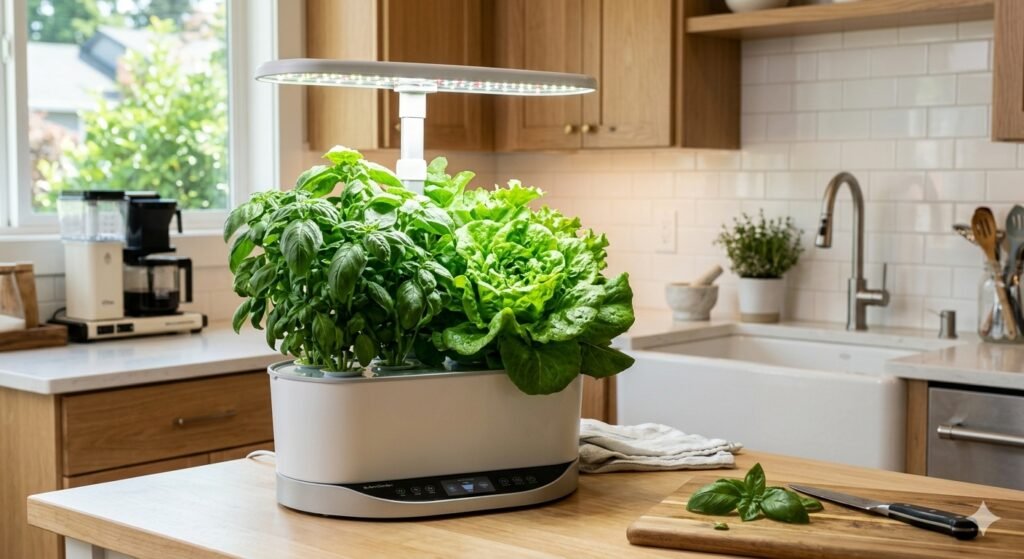
For most beginners, a dedicated countertop hydroponic system (like an AeroGarden or similar product) is the easiest possible entry point, since it handles the pump, lighting, and often even nutrient dosing reminders automatically.
AeroGarden vs. a manual hydroponic system: An AeroGarden-style all-in-one unit trades some flexibility and lower cost-per-plant for genuine simplicity — built-in grow lights, an automated pump, and a guided app or interface that tells you when to add water and nutrients. A manual DWC or ebb-and-flow setup costs less per plant over time and offers more room to grow multiple or larger plants, but requires you to manage lighting, nutrient dosing, and pH monitoring yourself. For a true first-timer who wants a low-effort, near-guaranteed result, an all-in-one countertop unit is the more forgiving starting point; for someone comfortable with a bit more hands-on management and wanting to scale up eventually, a basic DIY DWC system is cheaper and more flexible long-term.
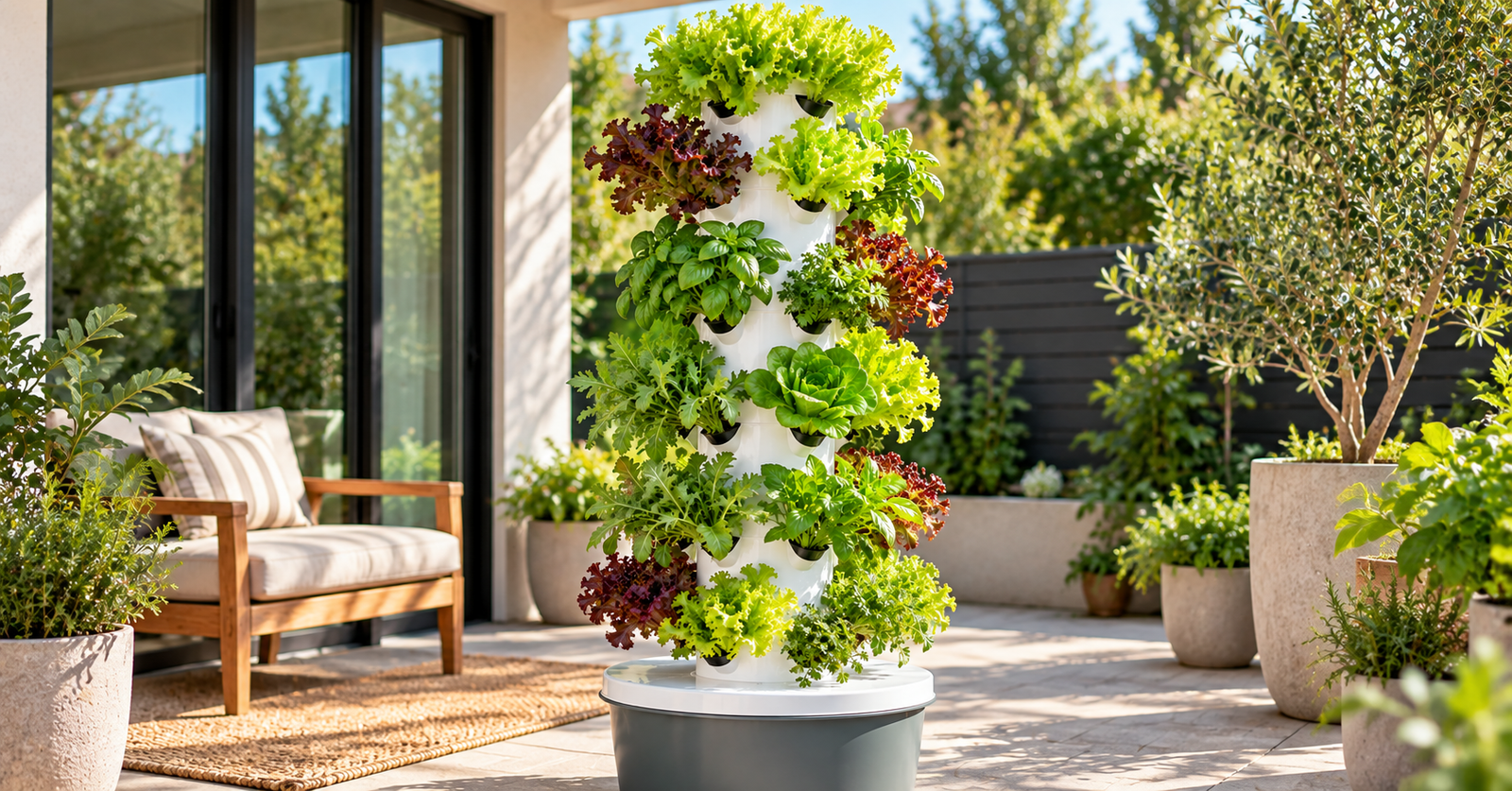
Vertical hydroponic garden towers, another popular consumer category, stack multiple growing sites vertically around a central reservoir and pump, maximizing the number of plants per square foot of floor space. These work well for leafy greens, herbs, and strawberries, and are a reasonable next step once you’ve had success with a smaller countertop system, though they represent a bigger investment and take up more permanent space than a small countertop unit.
What You Need for a Basic DIY Hydroponic Setup
- A reservoir (any food-safe container that blocks light, to prevent algae growth)
- A growing medium that holds the plant in place without soil, such as clay pebbles, rockwool, or coconut coir
- An air pump and air stone, for systems like DWC that need active oxygenation
- A hydroponic nutrient solution, formulated specifically for hydroponic use rather than soil-based fertilizer
- A pH testing kit or meter, since nutrient availability in hydroponics is highly sensitive to water pH, ideally kept in the 5.5–6.5 range for most plants
- A grow light, unless the system will sit in a genuinely bright window
Best Plants for Beginner Hydroponic Growing
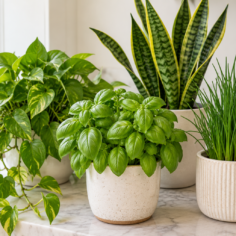
Leafy greens (lettuce, spinach, kale) and herbs (basil, mint, cilantro, parsley) are the most forgiving and fastest-growing options for a first hydroponic attempt, often ready to harvest significantly faster than their soil-grown equivalents. Strawberries also perform well in hydroponic towers. More demanding crops like tomatoes and peppers can be grown hydroponically, but they require larger systems, more nutrient management, and — since there are no pollinators indoors — usually hand-pollination.
Common Beginner Mistakes
Ignoring pH. Nutrient uptake in hydroponics is far more sensitive to water pH than in soil, which naturally buffers pH swings to some degree. Checking and adjusting pH regularly (weekly at minimum) prevents nutrient deficiencies that can otherwise seem mysterious.
Using soil-based fertilizer instead of hydroponic nutrient solution. Standard fertilizers aren’t formulated for direct water delivery and can clog systems or provide nutrients in the wrong ratios and forms for root uptake without soil to mediate the process.
Neglecting oxygenation in systems like DWC, where roots sit directly in water — without an air pump keeping the solution oxygenated, roots can suffocate and rot just as they would in overly waterlogged soil.
Algae growth in reservoirs exposed to light, which competes with plants for nutrients and can clog pumps and lines; using an opaque reservoir prevents this from the start.
The Bottom Line
Hydroponic gardening for beginners is most approachable through a countertop all-in-one system, which removes most of the guesswork around lighting, pumping, and nutrient dosing while you learn the basics. Once you’re comfortable, a vertical tower or a basic DIY DWC setup offers more capacity and lower long-term cost — either way, start with fast, forgiving leafy greens and herbs before attempting more demanding fruiting crops.
Related Reading
For soil-based indoor growing and herb-kit alternatives, see How to Start an Indoor Garden: Beginner’s Guide and Indoor Herb Garden Kit: Choosing & Growing.
Last modified: October 17, 2026