Most gardens go dormant the moment fall frost arrives, but with a bit of planning and a couple of simple structures, it’s entirely possible to keep harvesting fresh vegetables through much of winter, even in fairly cold climates. The key isn’t fighting winter conditions directly — it’s using a few well-understood techniques to create a slightly warmer, more sheltered microclimate around your plants.
The Core Principle Behind Winter Gardening
Winter vegetable gardening generally works one of two ways: growing genuinely cold-hardy crops that tolerate freezing temperatures with little or no protection (kale, collards, spinach, and similar), or using season-extension structures like cold frames and row covers to create a warmer microclimate that lets slightly less hardy crops survive and even continue slow growth through the coldest months. Most successful winter gardens combine both approaches.
Timing Is Everything
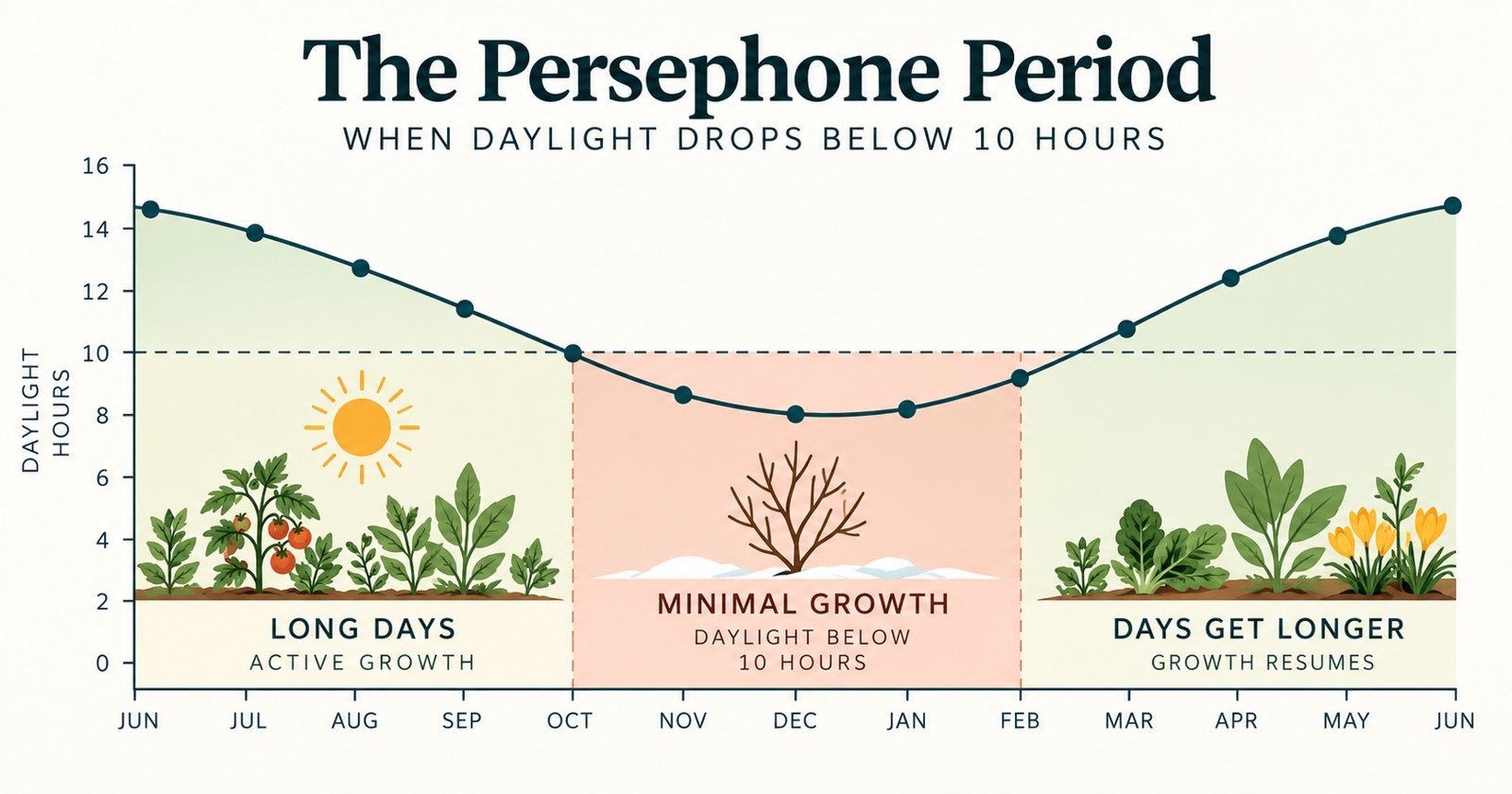
The single biggest factor in winter gardening success isn’t the cold itself — it’s daylight. Plant growth slows dramatically as daylight hours shorten in fall, and largely stalls once day length drops below roughly 10 hours, a period sometimes called the "Persephone period" among experienced winter gardeners. This means winter crops need to reach near-maturity before the shortest days of the year arrive, since very little active growth happens during the darkest weeks regardless of temperature or protection. Planting winter crops in late summer to early fall — not waiting until the weather actually turns cold — is essential for this reason.
Row Cover for Winter Vegetables
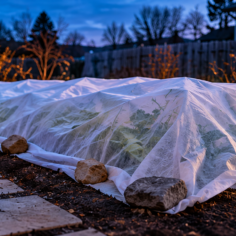
Row cover (also called frost cloth) is a lightweight, breathable fabric draped directly over plants or supported by hoops, and it’s one of the simplest, lowest-cost season-extension tools available.
How it helps: Row cover typically provides 4–8°F of frost protection depending on thickness (measured in weight per square yard — heavier fabric offers more protection but blocks slightly more light). It traps a thin layer of warmer air around plants while still allowing light, air, and water through, meaning it can be left in place for extended periods rather than needing daily removal like a simple sheet or tarp.
How to use it: Drape row cover directly over sturdy crops, or support it on hoops for more delicate plants, anchoring the edges with rocks, soil, or garden staples to prevent wind from lifting it. For crops that need pollinator access (less relevant for most winter greens, but worth knowing generally), row cover would need to come off during flowering — though most true winter vegetables like kale and spinach don’t need pollination for the leafy harvest you’re after.
Layering for extra protection: During an especially hard freeze, a double layer of row cover, or row cover combined with a cold frame, provides meaningfully more protection than either alone.
Cold Frame Gardening for Winter Vegetables
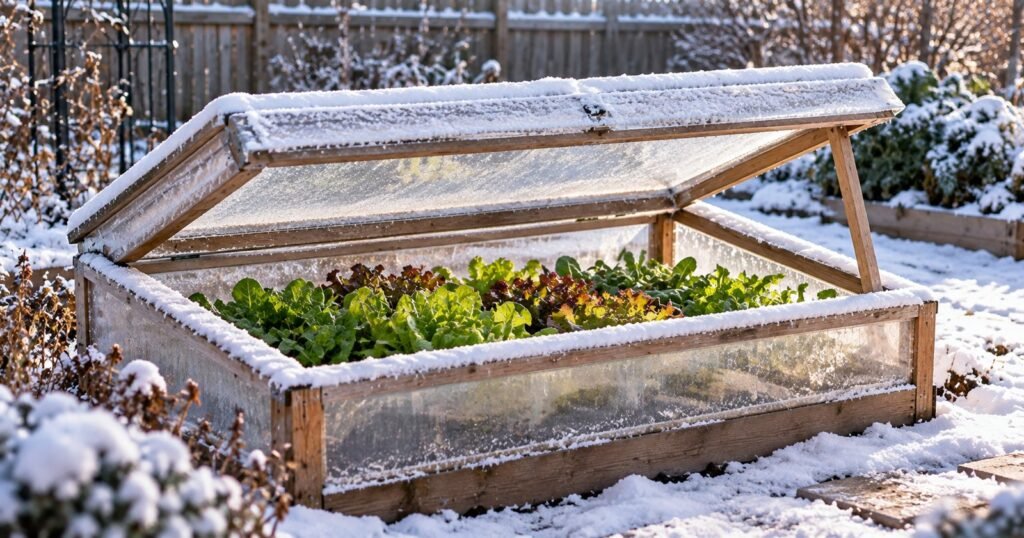
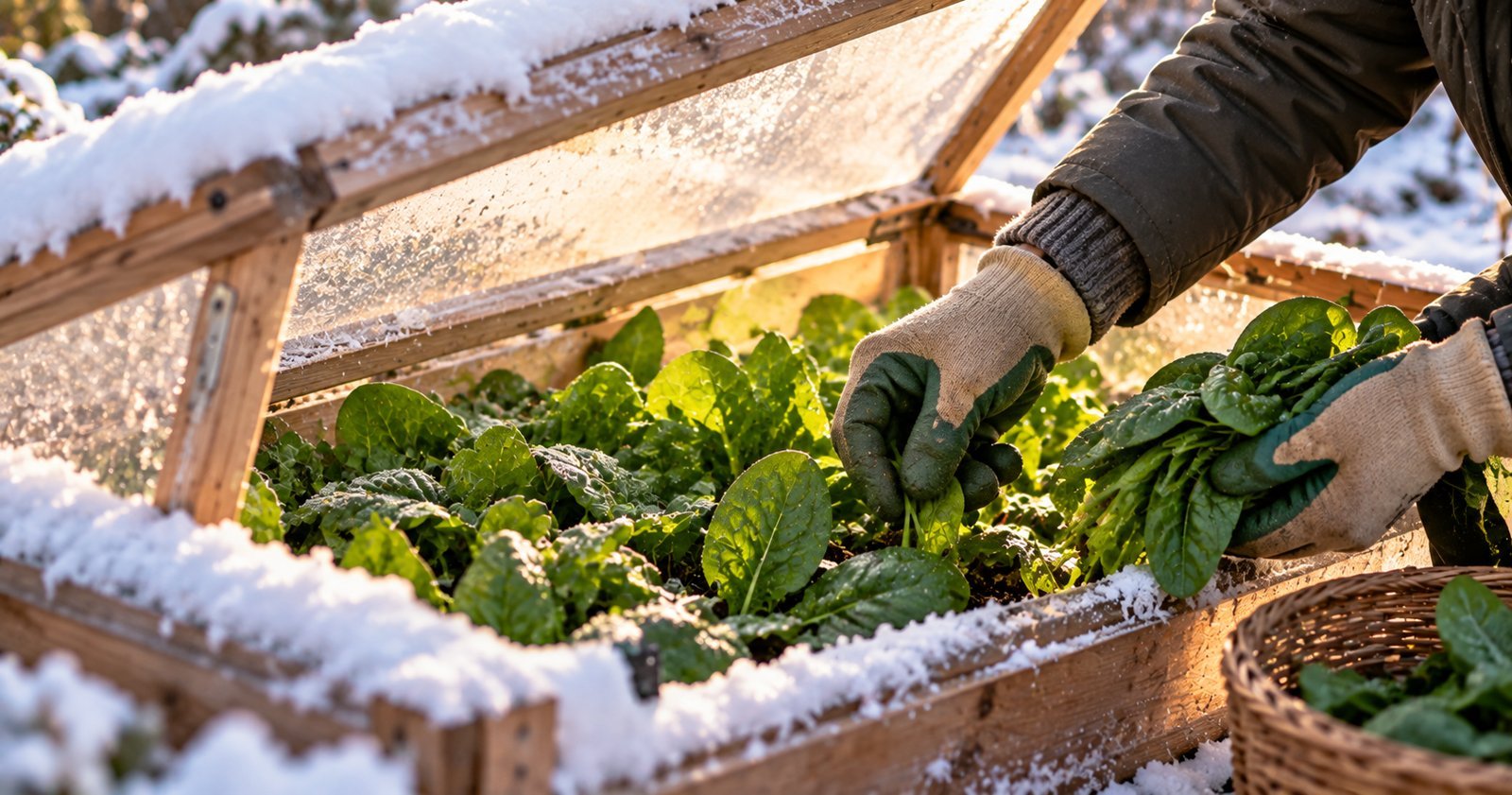
A cold frame is essentially a bottomless box with a transparent lid — often literally built from an old window frame — set directly over a garden bed. It works by trapping solar heat during the day (the greenhouse effect) and slowing heat loss at night, creating a noticeably warmer, more stable environment than the open garden.
Building or buying: Cold frames can be simple DIY builds from scrap wood and an old window, or purchased as pre-made kits in various sizes. The ideal placement faces south (in the Northern Hemisphere) to maximize solar gain, and slightly sloping the lid toward the south improves sun exposure further while also helping rain and snow slide off.
Managing temperature: This is the trickiest part of cold frame gardening — on sunny winter days, even with outside temperatures well below freezing, a closed cold frame can heat up surprisingly fast, sometimes into the 80s°F, which can stress or even damage cold-loving greens if the lid isn’t propped open to vent excess heat. Checking and venting on sunny days, then closing fully as evening approaches, is an ongoing task through the season rather than a set-and-forget structure.
What grows well in a cold frame: Lettuce, spinach, Asian greens, and other leafy crops thrive in a cold frame’s more moderate winter environment, often continuing slow but real growth through much of winter in climates where the open garden would otherwise be completely dormant.
Extra insulation: Banking the outside walls of a cold frame with straw bales, soil, or mulch adds meaningful extra insulation during the coldest stretches of winter.
Low Tunnels: A Middle Ground
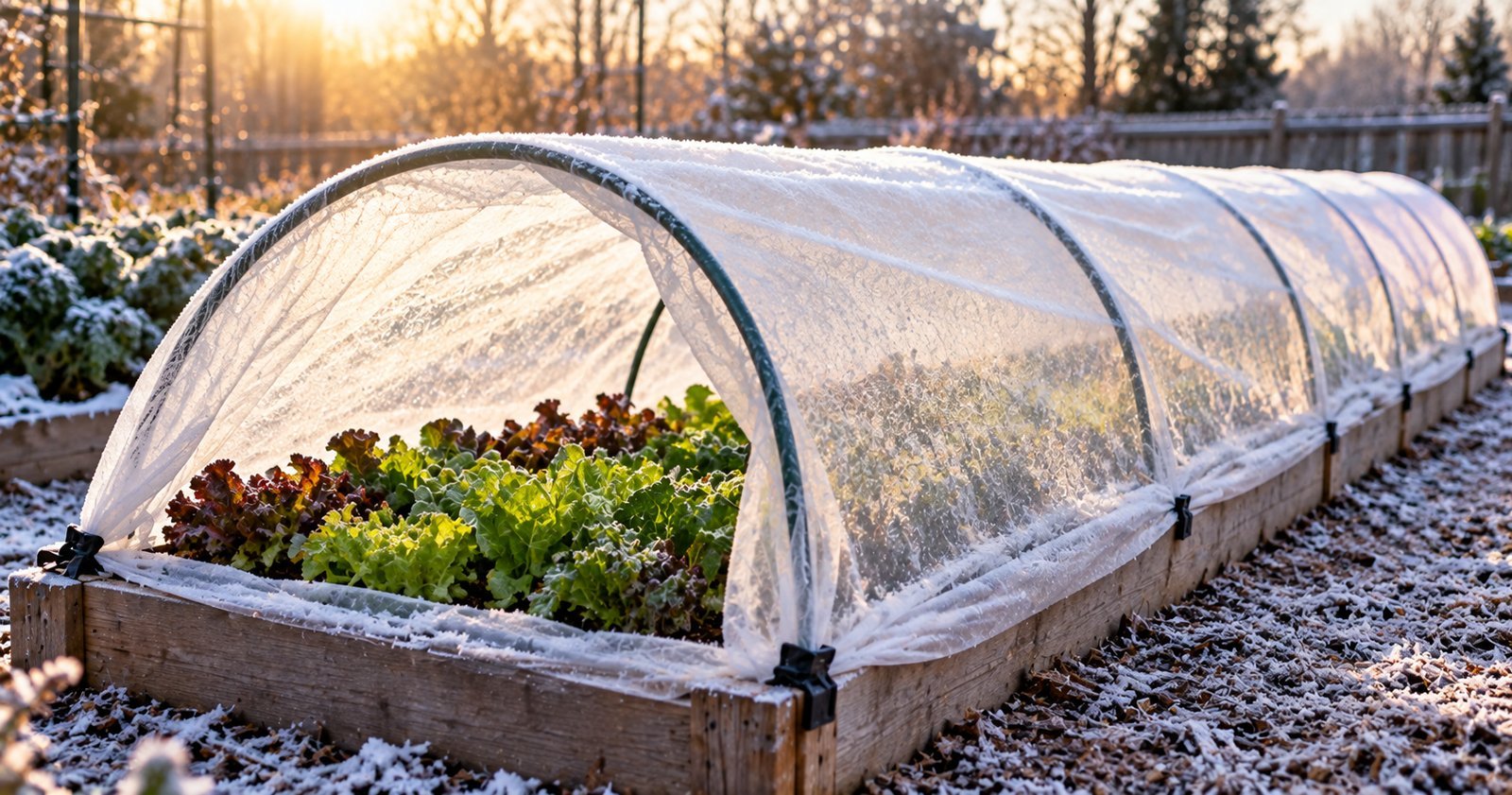
For a garden bed too large for a cold frame, a low tunnel — built from bent hoops (PVC or metal) covered with row cover or greenhouse plastic — offers similar season-extension benefits over a longer stretch of garden. Like a cold frame, plastic-covered low tunnels need venting on sunny days to avoid overheating, while row-cover-covered tunnels are more forgiving since the fabric breathes and doesn’t trap heat as intensely.
Choosing the Right Crops
Beyond the reliably hardy staples (kale, collards, spinach, garlic), success with less hardy crops depends heavily on how much protection you’re providing. Under just row cover, stick to genuinely cold-tolerant crops; under a cold frame or low tunnel, you can push slightly less hardy crops like lettuce and some Asian greens further into winter than open-garden conditions would otherwise allow.
Watering Winter Vegetables
Plants use dramatically less water during winter’s short, cool days than during active summer growth, and soil that stays consistently wet in cold conditions is more prone to problems than in warmer, faster-draining conditions. Water only when soil is genuinely dry, and avoid watering right before an especially hard freeze is forecast, since very wet soil combined with extreme cold can increase root damage risk in some crops.
The Bottom Line
Winter vegetable gardening comes down to three things working together: choosing genuinely cold-hardy crops, planting early enough in fall that they reach near-maturity before daylight hours shrink too much for real growth, and using row cover or a cold frame to buffer the coldest temperatures. None of these alone guarantees a winter harvest, but combined, they make it realistic to keep pulling fresh greens from the garden well past when most gardens have gone fully dormant.
For cold-season crop choices and protection methods, see What Vegetables to Plant in Winter (And How to Make Them Thrive) and How to Protect Plants From Frost: Methods That Actually Work.
Last modified: October 5, 2026