Container gardening has exploded in popularity because it removes the biggest barrier to growing your own food: needing a yard. Fruit, vegetables, herbs, and even pollinator-friendly flowers can all be grown successfully in containers with the right setup — here’s a complete guide, starting with fruit and working through everything else you need to know.
Best Fruit to Grow in Containers
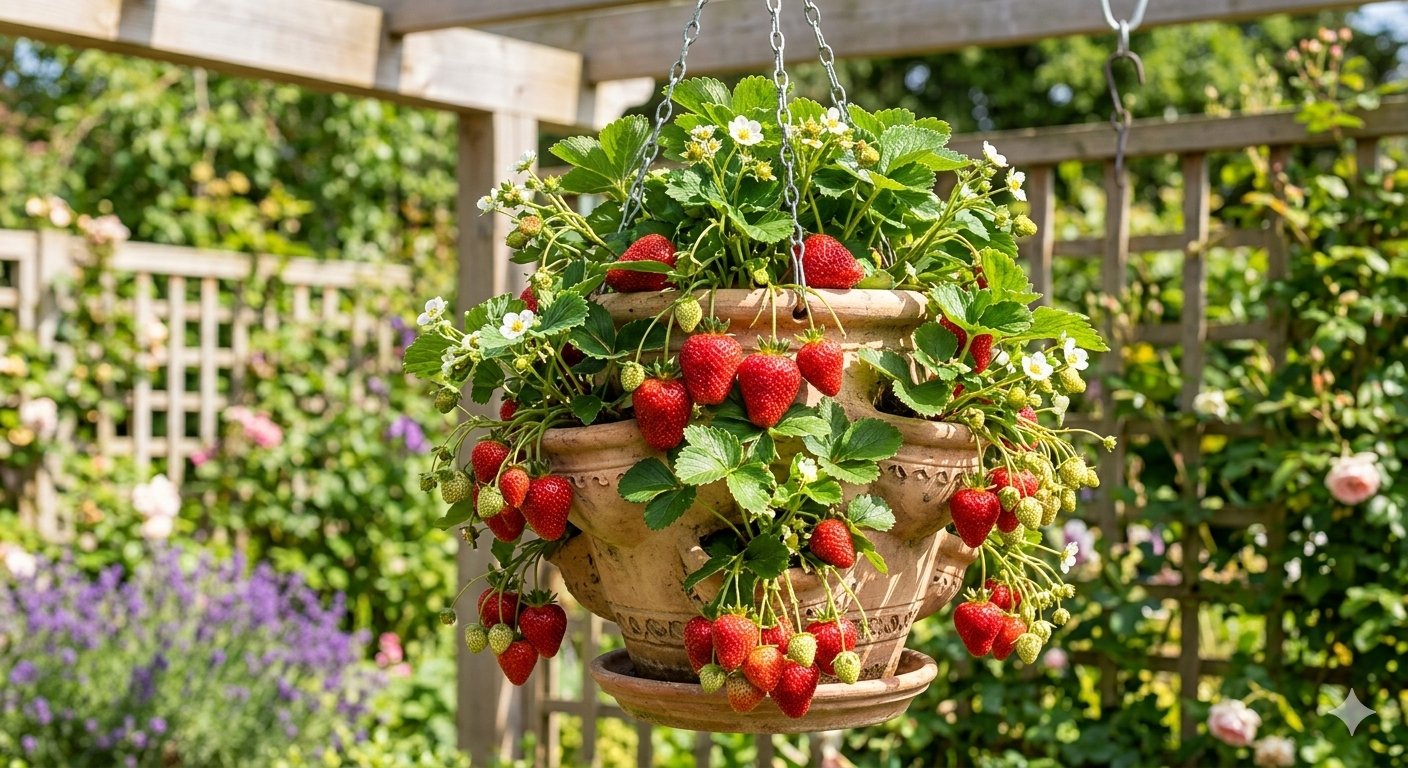
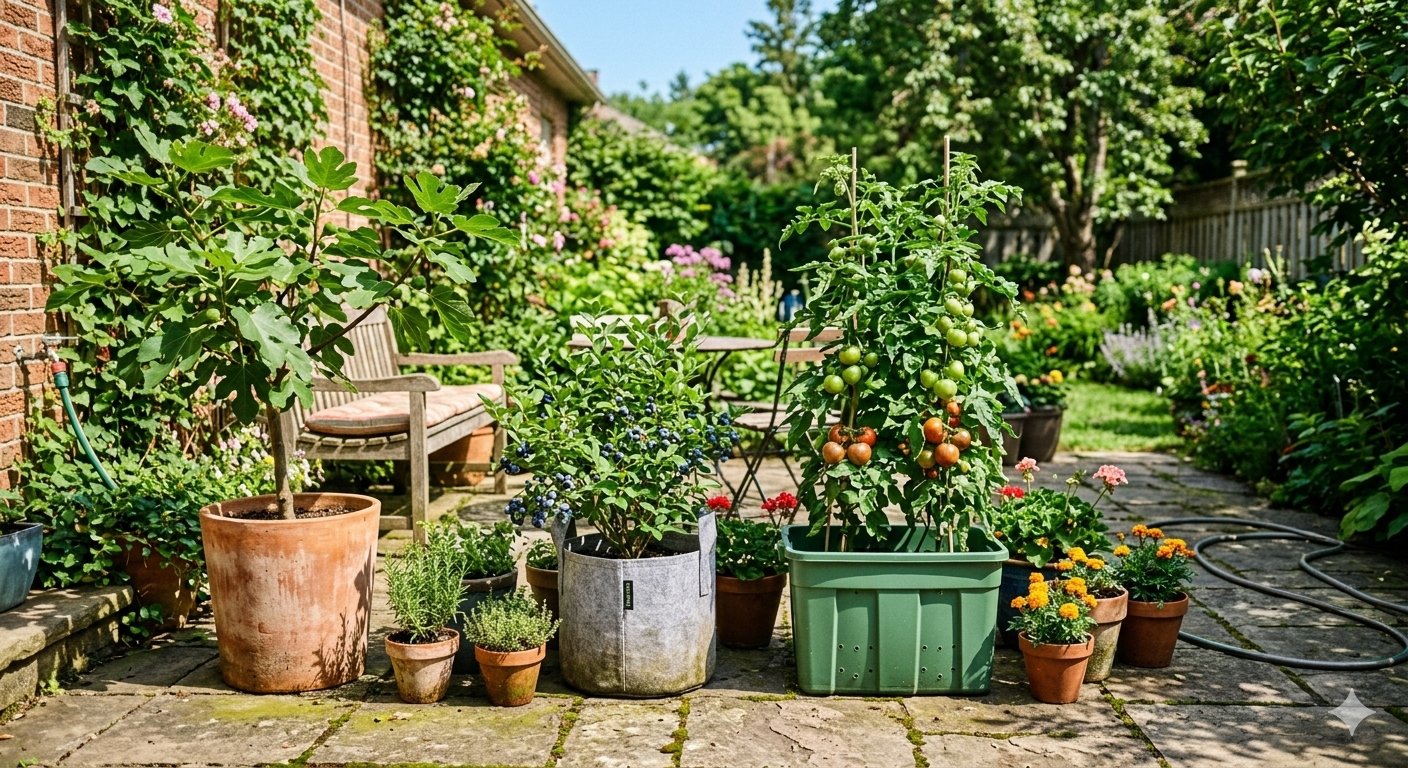
Strawberries are the easiest and most popular container fruit, thriving in anything from a dedicated strawberry pot to a simple planter, and producing a genuine harvest within the first season.
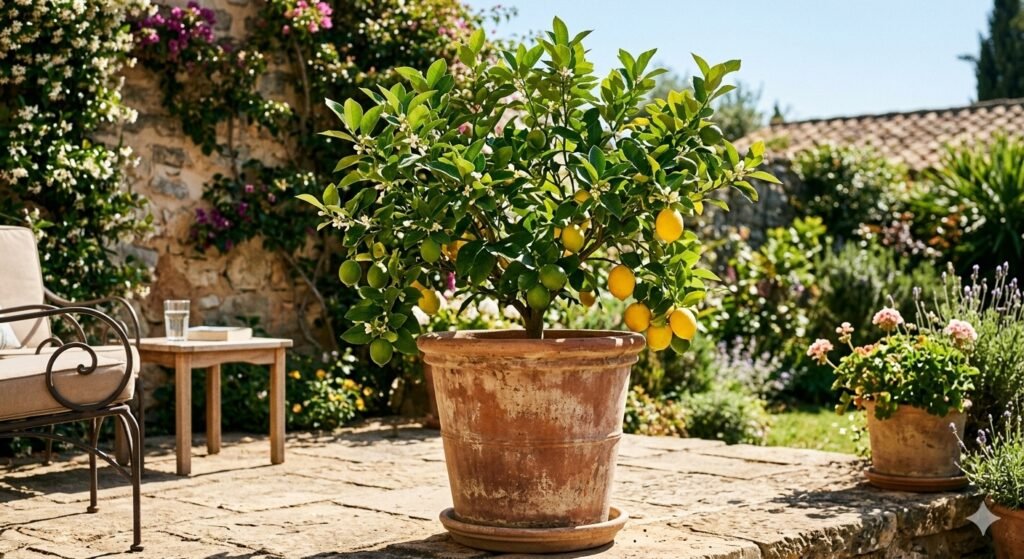
Citrus trees (dwarf varieties especially) do remarkably well in large containers and are a favorite for gardeners in cooler climates who bring them indoors over winter — Meyer lemon and calamondin orange are particularly popular dwarf choices.
Blueberries grow well in containers, which also has the advantage of letting you control soil pH more easily, since blueberries need distinctly acidic soil that many garden beds don’t naturally provide.
Figs tolerate container life well and, like citrus, are often grown in containers specifically so they can be moved indoors or into a sheltered spot for winter in colder climates.
Dwarf apple and cherry trees, grafted onto dwarfing rootstock specifically for container growing, can produce real fruit in a large enough pot, though they need more patience and a bigger container commitment than the other options here.
Best Vegetables for Containers
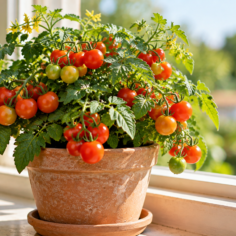
Beyond fruit, most common vegetables adapt well to container growing: tomatoes (choose determinate or dwarf varieties for smaller containers), peppers, bush beans, lettuce and leafy greens, radishes, cucumbers (bush varieties or trellised vining types), and eggplant all perform reliably. Root vegetables like carrots need a deeper container than many people expect, at least 12 inches, to develop properly.
Best Herbs for Containers
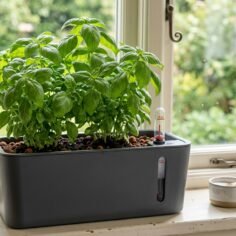
Basil, chives, parsley, thyme, oregano, and mint are all excellent container candidates — mint in particular is often grown exclusively in containers even by in-ground gardeners, since its aggressive spreading habit can otherwise take over a garden bed.
Best Plants for a Pollinator Container Garden
If part of your container gardening goal includes supporting pollinators, a few reliable options: lavender, bee balm, salvia, and dwarf varieties of coneflower and black-eyed Susan all attract bees and butterflies well and adapt readily to container life. Mixing a few flowering plants among your vegetable and fruit containers can meaningfully improve pollination rates for anything that depends on it, like squash, cucumbers, or berries.
Container Gardening for Beginners: Getting Started
The core principles that make container gardening succeed are the same regardless of what you’re growing: adequate drainage, appropriately sized containers, quality potting mix (never garden soil), consistent watering attention, and regular feeding, since container plants can’t draw on the broader nutrient reserves an in-ground garden bed provides.
Best Material for Garden Containers
Terracotta/unglazed clay: Attractive and breathable, but porous — it dries out faster than other materials and can crack in freezing temperatures, so it needs more frequent watering and often needs to be emptied or moved for winter in cold climates.
Glazed ceramic: Retains moisture better than unglazed terracotta and often more frost-resistant, though still breakable and heavy.
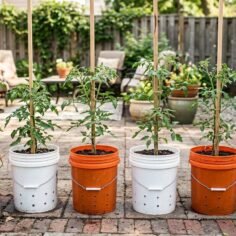
Plastic: Lightweight, retains moisture well, inexpensive, and widely available in every size — the practical default for most vegetable and herb growing, though less attractive to some and can degrade with prolonged UV exposure over years.
Fabric grow bags: Increasingly popular for vegetables, offering excellent drainage and airflow to roots (which can improve root health) and easy storage when not in use, though they dry out faster than solid-walled containers and need more frequent watering as a result.
Wood: Attractive, good insulation for roots, but eventually rots unless treated or lined, particularly in constant contact with moist soil.
Metal: Stylish and durable, but can heat up significantly in direct sun, potentially overheating roots in hot climates unless placed with some afternoon shade or lined with an insulating layer.
How Often to Water Container Vegetables
Containers dry out considerably faster than in-ground beds due to their limited soil volume and (often) increased sun exposure on the container walls. In hot weather, daily watering is common, and during a genuine heat wave, some containers may need water twice a day. Rather than a fixed schedule, check soil moisture by feel — for most vegetables, water when the top inch or two feels dry — and expect that frequency to shift significantly with the seasons and weather.
Why Container Plants Wilt in Heat
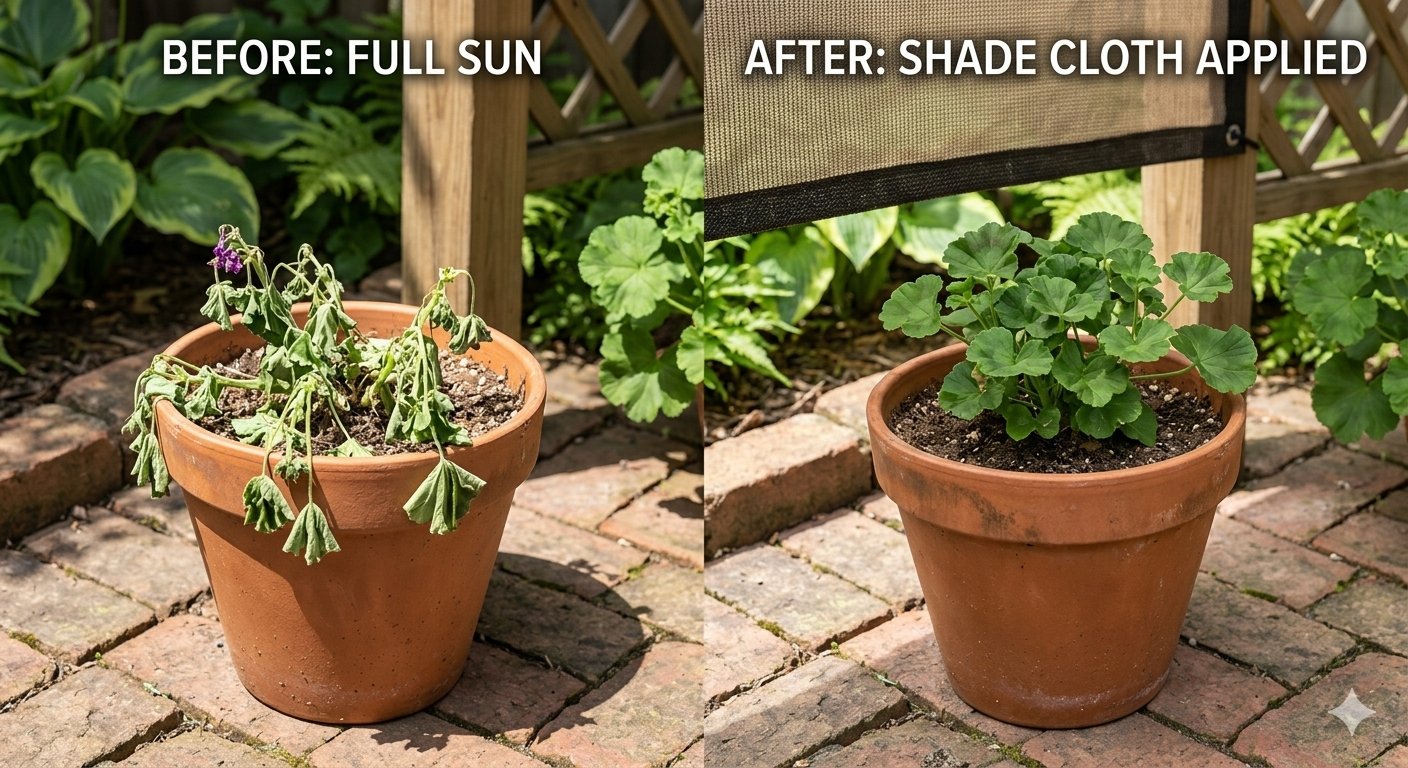
Container soil heats up faster than garden soil, especially in dark-colored or metal containers sitting in direct sun, and the limited soil volume simply can’t buffer moisture and temperature swings the way a larger in-ground root zone can. Wilting in heat is often as much about heat stress at the root level as it is about a lack of water — moving containers to receive afternoon shade during the hottest part of the day, grouping containers together for shared shade, and choosing lighter-colored containers all help reduce this stress independent of watering frequency.
Container Drainage Problems
Poor drainage is one of the most common container gardening failures, usually caused by: a container with no drainage holes (or holes that are blocked by compacted soil or a saucer sitting flush against the bottom), garden soil used instead of potting mix (which compacts and holds water), or a container sitting directly on a solid, non-absorbent surface where water can’t escape from the drainage holes at all. Elevating containers slightly on pot feet or bricks, using quality potting mix, and always confirming drainage holes are actually clear and functional resolves most of these issues.
How to Revive an Overwatered Container Plant
Stop watering immediately and let the soil dry out significantly. If wilting persists despite dry-looking topsoil, check the root ball — remove the plant from its container and look for dark, mushy, foul-smelling roots, a sign of rot that needs trimming before repotting into fresh, well-draining mix. Going forward, confirm the container has working drainage and adjust your watering routine to check actual soil moisture rather than watering on a fixed schedule.
The Bottom Line
Containers can grow an impressive range of fruit, vegetables, herbs, and pollinator-friendly flowers, but success depends on getting the fundamentals right: real drainage, the right container material for your climate and plant, quality potting mix, and watering based on actual soil moisture rather than a calendar. Get those basics right, and container gardening can be just as productive as an in-ground garden, often with considerably less space and effort required.
Related Reading
For bucket-growing options and watering problems, see What Can You Grow in a 5 Gallon Bucket.
Last modified: October 5, 2026