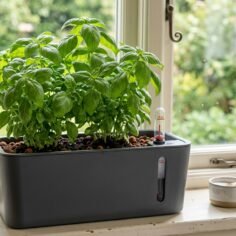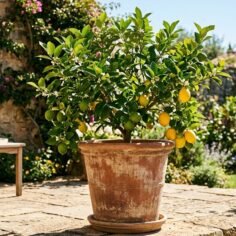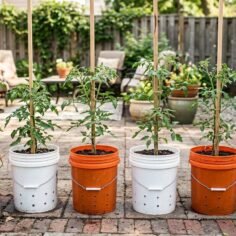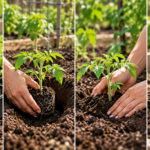
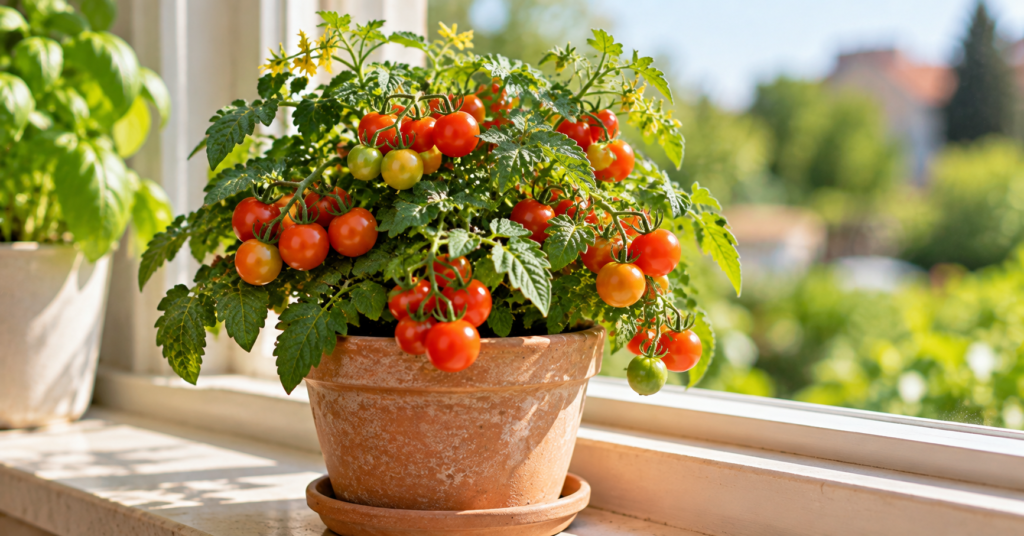
Choosing a dwarf or compact variety, rather than a standard full-size one, is often the single biggest factor separating a satisfying container harvest from a disappointing one. These varieties are specifically bred to stay smaller while still producing a genuine, worthwhile yield, making them a much better match for pot life than standard varieties scaled down by container alone.
Why Dwarf Varieties Outperform Standard Ones in Pots
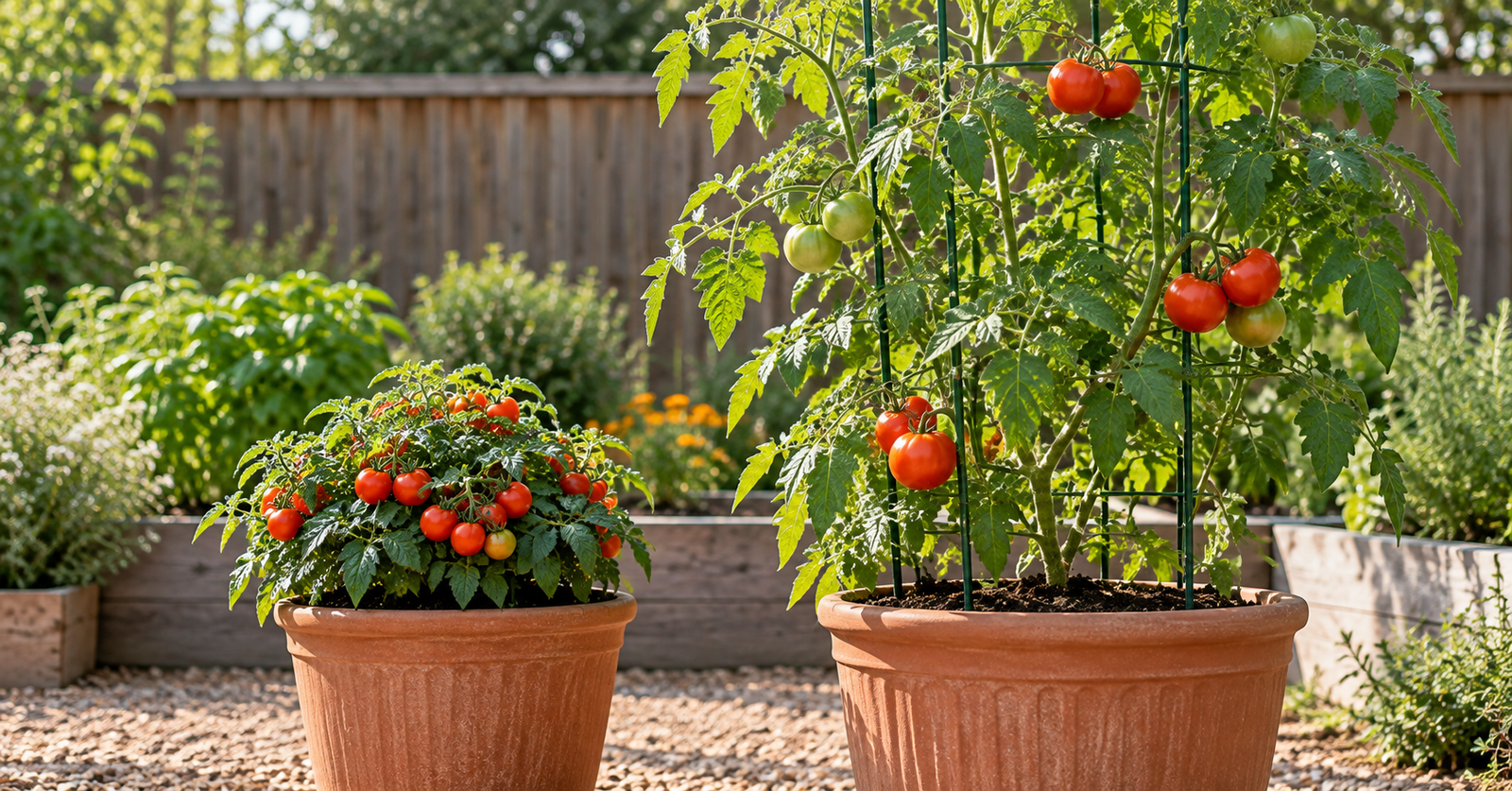
Standard vegetable varieties are bred assuming in-ground growing conditions, with root systems and top growth calibrated for essentially unlimited soil volume and space. Planted in a container instead, these varieties often become rootbound, produce disappointing yields relative to their size, and can become unstable or top-heavy in a pot that can’t provide the anchoring a full-size root system in open ground would. Dwarf varieties, by contrast, are specifically selected and bred for compact growth, meaning their root and top growth proportions are already suited to the limited volume a container provides.
Best Dwarf Tomato Varieties
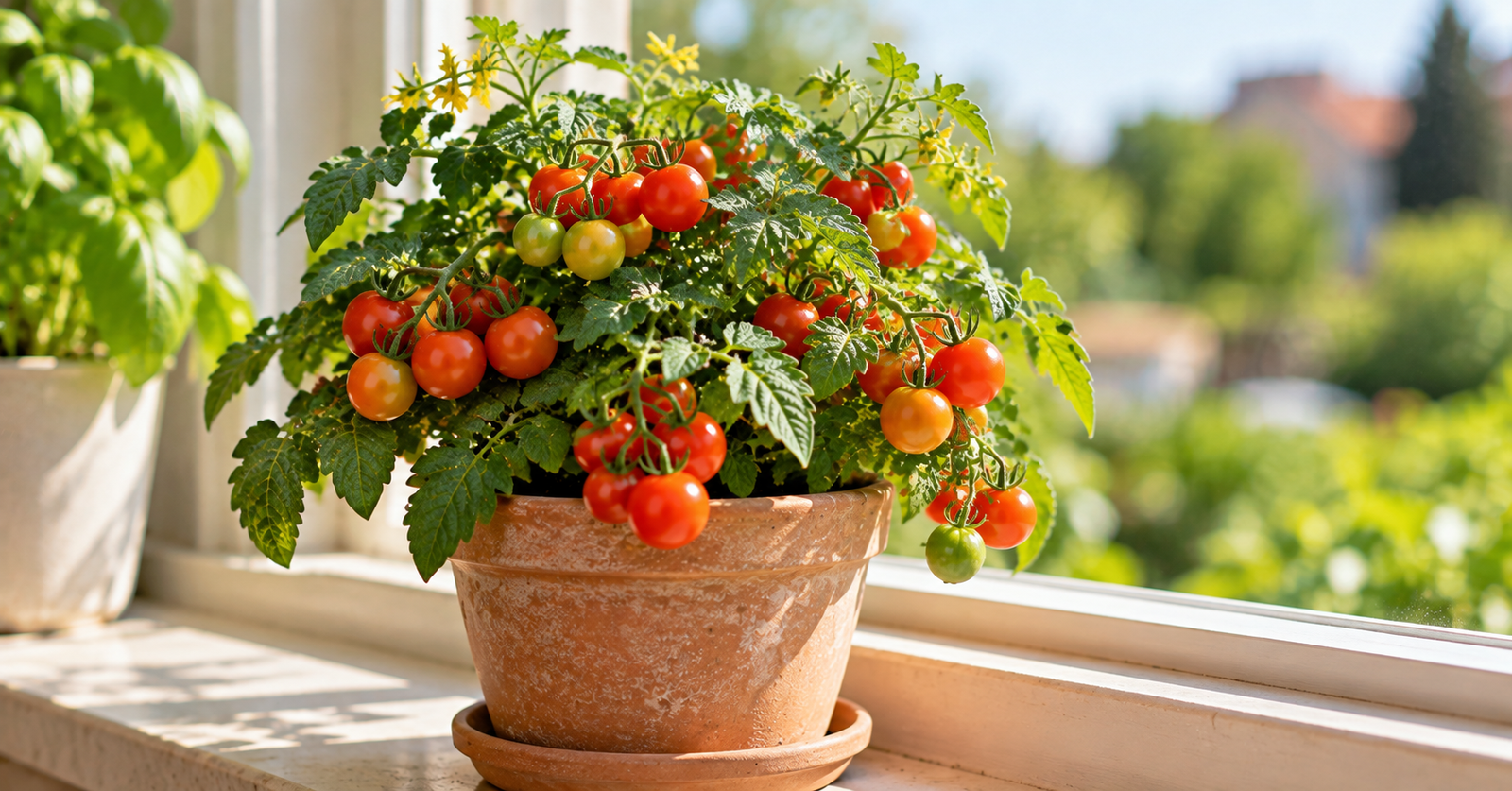
‘Tiny Tim’ and ‘Red Robin’ are classic, reliable dwarf cherry tomato varieties, staying under about 12 inches tall while still producing a genuine, steady harvest of small, sweet fruit, well suited even to a modest-sized pot on a sunny windowsill.
‘Patio Princess’ and ‘Bush Early Girl’ offer slightly larger fruit than the smallest micro-dwarf varieties while still remaining compact enough for standard container growing, a good middle-ground choice for anyone wanting more substantial tomatoes without the size of a full indeterminate plant.
‘Micro Tom’ is among the smallest tomato varieties available, sometimes staying under 8 inches tall, making it a popular choice for very limited spaces like a windowsill or even a large mug-sized pot, though total yield per plant is correspondingly modest.
Best Dwarf Pepper Varieties
‘Patio Fire’ and ‘Mohawk’ are compact pepper varieties bred specifically for container growing, staying bushy and manageable while producing a real harvest of peppers.
Most ornamental and many hot pepper varieties naturally stay fairly compact even without specific dwarf breeding, making peppers as a category generally more forgiving of container life than many other vegetables even without hunting for a specifically labeled dwarf variety.
Best Dwarf Cucumber Varieties
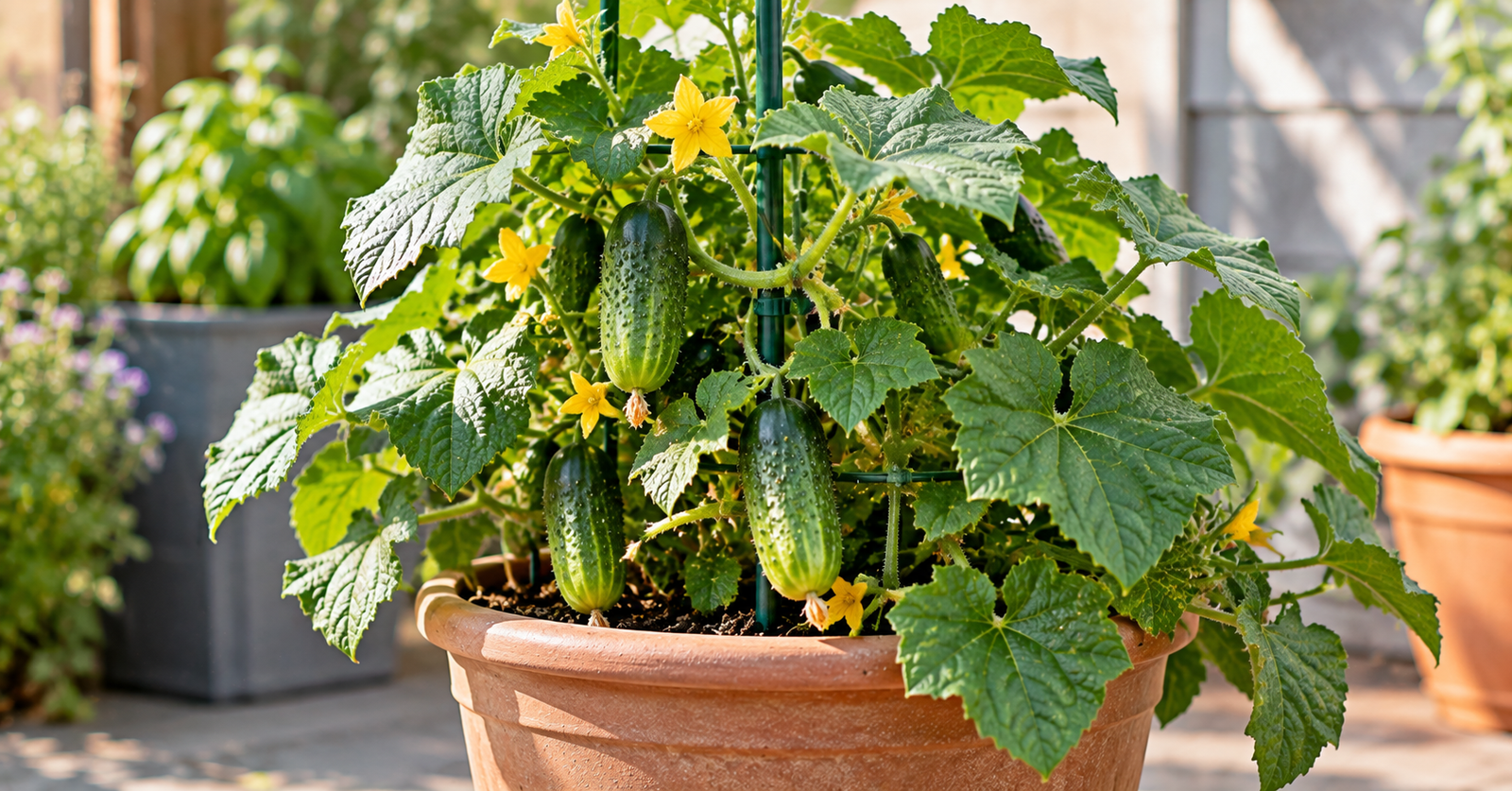
‘Bush Champion’ and ‘Spacemaster’ are bred to grow in a compact, bushy form rather than sprawling vines, making them well suited to container growing without needing a full trellis system, though a small support structure still helps keep fruit clean and off the soil.
‘Salad Bush’ offers similarly compact growth with reliable production, a good option for anyone wanting cucumbers without the space a vining variety would need.
Best Dwarf Squash and Zucchini Varieties
‘Bush Baby’ and ‘Astia’ are compact zucchini varieties that maintain the productivity zucchini is famous for while staying manageable in a large container, avoiding the sprawling growth habit of standard summer squash varieties.
Best Dwarf Bean Varieties
Bush bean varieties are, as a category, already naturally compact compared to pole beans, making most bush bean varieties reasonably well suited to container growing without needing a specifically labeled "dwarf" designation, though checking the mature size on a seed packet still helps match the variety to your specific container size.
Best Dwarf Eggplant Varieties
‘Fairy Tale’ and ‘Patio Baby’ are compact eggplant varieties producing smaller fruit on manageable, bushy plants, a good option for anyone wanting to grow eggplant without the space a standard variety would need.
Best Dwarf Melon Varieties
‘Minnesota Midget’ and other specifically bred dwarf melon varieties can be grown in a large container with vertical support, producing smaller but genuinely sweet melons on considerably more compact vines than standard varieties, which typically need far more sprawling space than most containers can accommodate.
Choosing the Right Container Size for Dwarf Varieties
Even dwarf varieties need an appropriately sized container to perform well — a 5-gallon container is generally a reasonable minimum for dwarf tomatoes and peppers, while the smallest micro-dwarf varieties can succeed in something as compact as a 1-2 gallon pot. Cucumbers, squash, and eggplant dwarf varieties typically benefit from something in the 5-10 gallon range despite their compact top growth, since root system size doesn’t always scale down proportionally with visible plant size.
Where to Find Dwarf and Compact Varieties
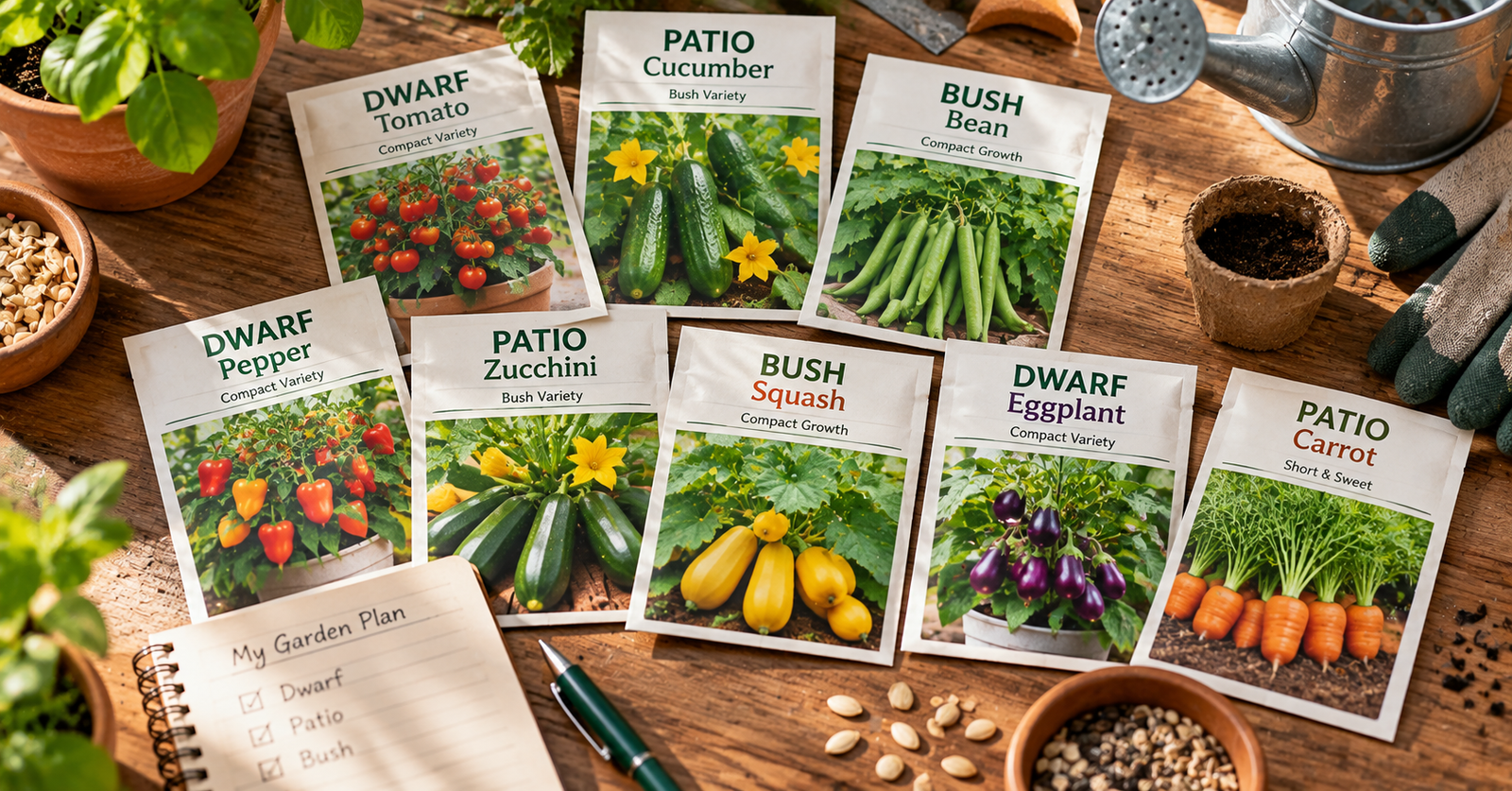
Seed catalogs and nursery tags increasingly label varieties specifically as "dwarf," "patio," "bush," "compact," or "container" varieties, making them straightforward to identify when shopping. The Dwarf Tomato Project, a long-running collaborative breeding effort among home gardeners, has also produced dozens of specifically bred dwarf tomato varieties with genuinely good flavor, worth seeking out for anyone serious about container tomato growing beyond the most commonly available commercial dwarf options.
Managing Expectations for Yield
Dwarf varieties generally produce a smaller total yield than their full-size counterparts, simply due to their smaller overall plant size — this is an expected tradeoff for the space savings and improved container performance they offer, not a sign that something has gone wrong. A dwarf tomato plant yielding a steady supply of cherry tomatoes over a season, rather than the pounds of fruit a full-size indeterminate variety might produce in a garden bed, is a realistic and successful outcome for container growing.
The Bottom Line
Choosing dwarf or compact varieties specifically bred for container life — rather than attempting standard full-size varieties in a pot — meaningfully improves the odds of a satisfying container harvest across nearly every common vegetable type. Match the specific variety’s expected size to an appropriately sized container, and adjust yield expectations accordingly, since the tradeoff for compact, pot-friendly growth is generally a smaller, though still genuinely worthwhile, total harvest.
More Container Growing Guides
Last modified: October 12, 2026