Plant disease diagnosis has traditionally required real expertise — recognizing the specific pattern of a leaf spot, understanding which pathogens affect which plant families, and knowing what environmental conditions favor a suspected disease. AI-powered diagnosis apps promise to shortcut that expertise with a photo, and while the technology has improved substantially, understanding both its real capabilities and its limits matters for using it well.
How AI Plant Disease Diagnosis Actually Works
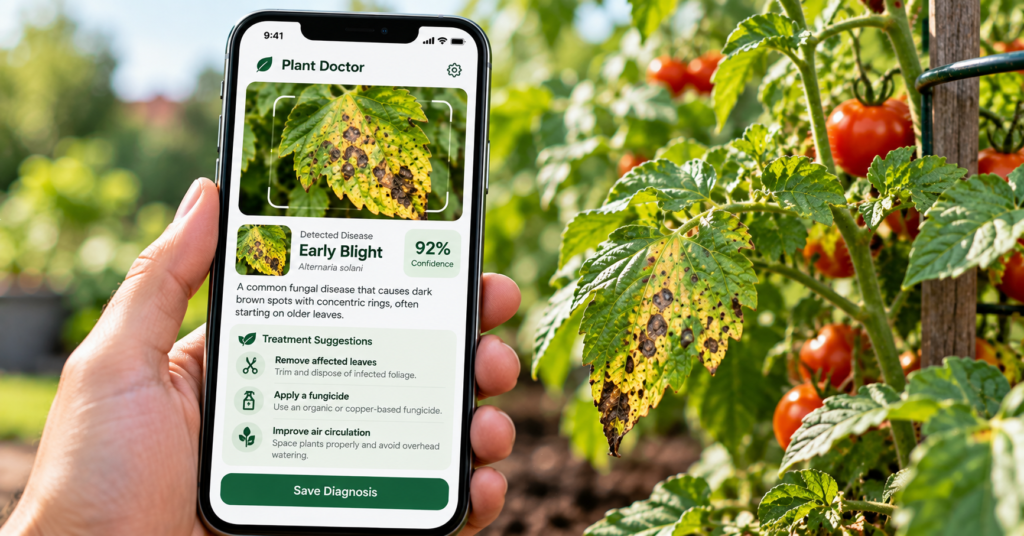
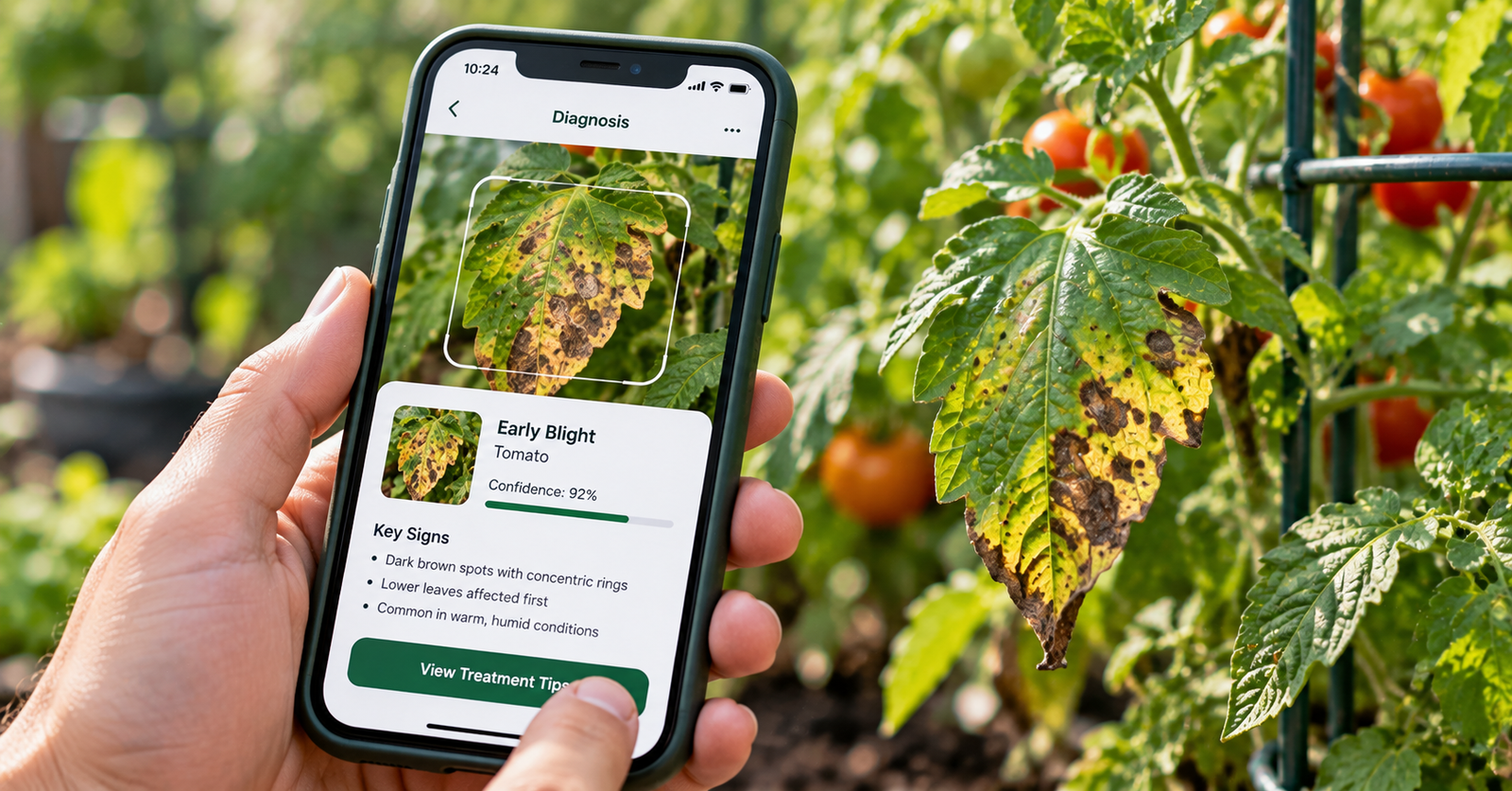
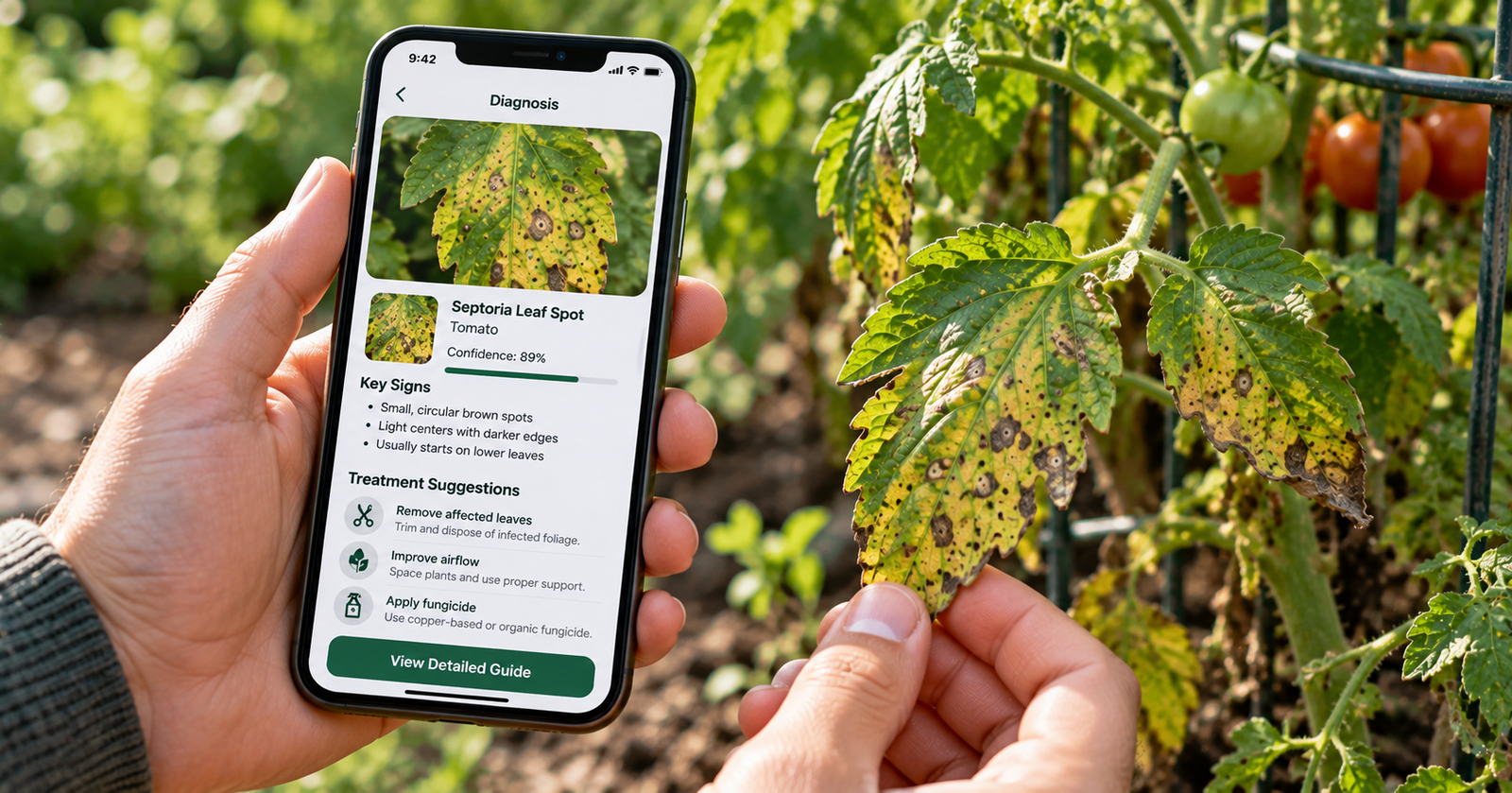
These apps use image recognition models trained on large databases of photos showing known plant diseases, pests, and deficiencies, often across specific crop types. When you submit a photo, the app compares visual patterns — spot shape, color, distribution on the leaf, and sometimes broader plant symptoms — against its training data and returns its best-match diagnosis, typically with a confidence level and often a suggested treatment.
This is fundamentally the same underlying technology as general plant identification apps, but trained and tuned specifically to recognize disease and deficiency symptoms rather than identifying what species a plant is.
What These Apps Are Actually Good At
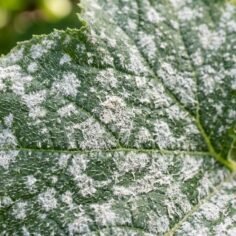
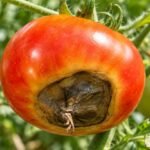
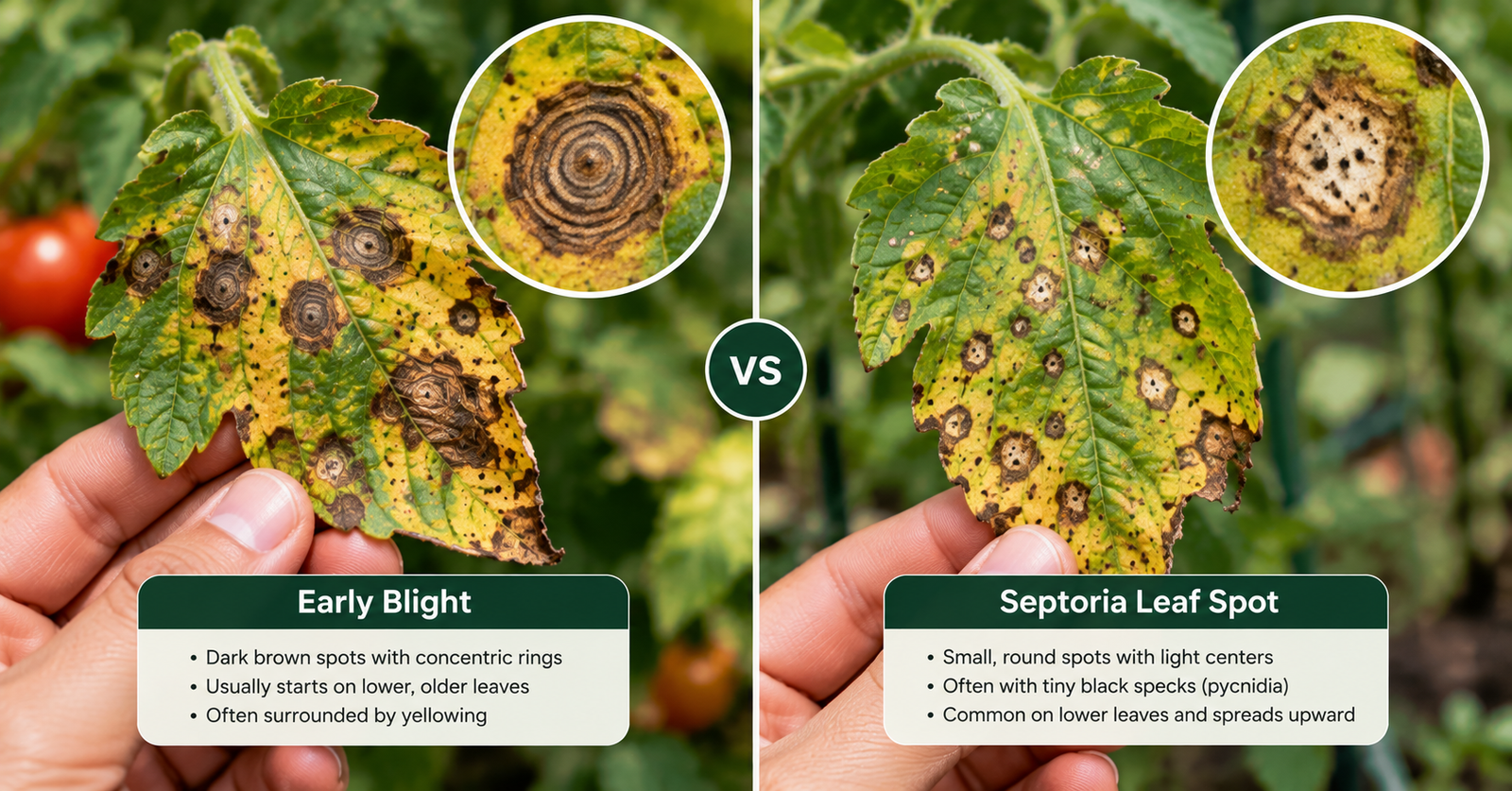
Common, visually distinctive diseases on well-represented crops tend to be diagnosed with reasonable reliability — powdery mildew, common leaf spot diseases, and several well-known pest damage patterns on popular vegetables like tomatoes are generally well covered by most major apps, since these represent a huge portion of the training data available to app developers.
Providing a helpful starting point for a specific question. Even when not perfectly accurate, a diagnosis app that correctly narrows a puzzling symptom down to fungal disease vs. pest damage vs. nutrient deficiency saves meaningful research time versus starting from a completely open-ended guess.
General care and treatment suggestions. Most apps pair a diagnosis with reasonable, generally accurate advice on treatment approaches, even in cases where the specific diagnosis itself might be slightly off, since the recommended treatments for related problems (various fungal leaf spots, for instance) often overlap considerably.
Where AI Diagnosis Apps Fall Short
Distinguishing between visually similar problems. Many plant diseases and deficiencies produce genuinely similar-looking symptoms — several different fungal leaf spot diseases can look nearly identical to each other, and some nutrient deficiencies mimic certain viral infections closely enough that even experienced growers sometimes need lab testing to distinguish them confidently. AI models struggle with exactly the same ambiguity that makes these cases hard for human experts.
Less common plants or regional diseases. Diagnosis accuracy drops meaningfully for less popular plants or diseases that are less common globally but more prevalent in specific regions, since the training data underlying these apps skews toward the most commonly photographed and reported problems worldwide.
Multiple simultaneous problems. A plant suffering from both a watering issue and a secondary pest infestation, for instance, presents a more complex combined symptom picture than most apps are designed to untangle, since they’re generally trained to identify one primary condition per photo.
Early-stage or subtle symptoms. Very early disease presentation, before symptoms are fully developed and visually distinctive, is harder for both AI and human diagnosis, but tends to produce lower-confidence or less reliable results from automated tools specifically.
Popular AI Plant Disease Diagnosis Apps
Plantix is specifically built around crop disease and pest diagnosis, with a strong focus on agricultural and garden crops, and includes community features alongside its AI diagnosis component.
PictureThis and Planta include disease diagnosis as part of broader plant care apps, combining identification, diagnosis, and ongoing care reminders in a single subscription product.
General AI assistants with vision capabilities (uploading a plant photo directly to a general-purpose AI chat tool) can also provide a reasonable diagnostic first opinion, particularly useful for talking through symptoms conversationally and asking follow-up questions about what you’re seeing, though these tools aren’t specifically trained on a dedicated plant disease image database the way purpose-built apps are.
How to Get the Most Reliable Results
Provide multiple photos from different angles and, if possible, showing the progression or full pattern of symptoms across several leaves rather than a single close-up, since more visual information generally improves accuracy.
Include context where the app allows for it — the plant type, recent watering and care changes, and current weather conditions all help narrow down the most likely cause, since the same visual symptom can have different causes depending on this surrounding context.
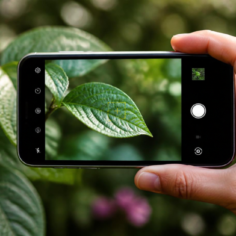
Use good lighting and focus. Blurry, poorly lit, or overly close-cropped photos that don’t show the pattern of symptoms across the leaf reduce accuracy regardless of how good the underlying app technology is.
Cross-check uncertain or high-stakes diagnoses. For a diagnosis that would lead to significant action — removing an entire plant, applying a fungicide across a large garden area, or anything with real cost or effort attached — getting a second opinion, whether from a different app, a local extension office, or an experienced gardener, is worthwhile insurance against an incorrect AI diagnosis.
When to Trust an App vs. Seek Expert Confirmation
For minor, low-stakes issues on a single houseplant or a small garden section, acting on an app’s diagnosis and treatment suggestion is entirely reasonable, since the cost of being wrong is low and easily corrected. For anything involving a valuable plant, a large planting, or a disease that could spread significantly if misdiagnosed and mistreated, confirming with a local agricultural extension office — many of which offer plant disease diagnosis services, sometimes for a small fee — provides considerably more reliable expert confirmation than any app currently available.
The Bottom Line
AI plant disease diagnosis apps have genuinely improved and can provide a useful, often reasonably accurate first opinion, particularly for common diseases on popular crops like tomatoes and roses. They’re best treated as a helpful starting point rather than a definitive answer, especially for anything unusual, high-stakes, or where several similar-looking problems could be at play — in those cases, a local extension office or an experienced grower remains the more reliable source of confirmation.
Related Plant Problem Guides
Last modified: October 12, 2026