Self-watering pots have become a popular solution for anyone who’s killed an herb through inconsistent watering — either forgetting entirely or overcompensating with too much all at once. Understanding how they actually work helps decide whether they’re the right fit for your specific herbs and habits.
How Self-Watering Pots Work
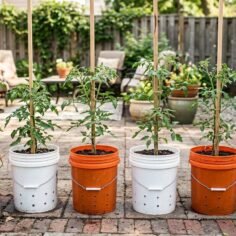
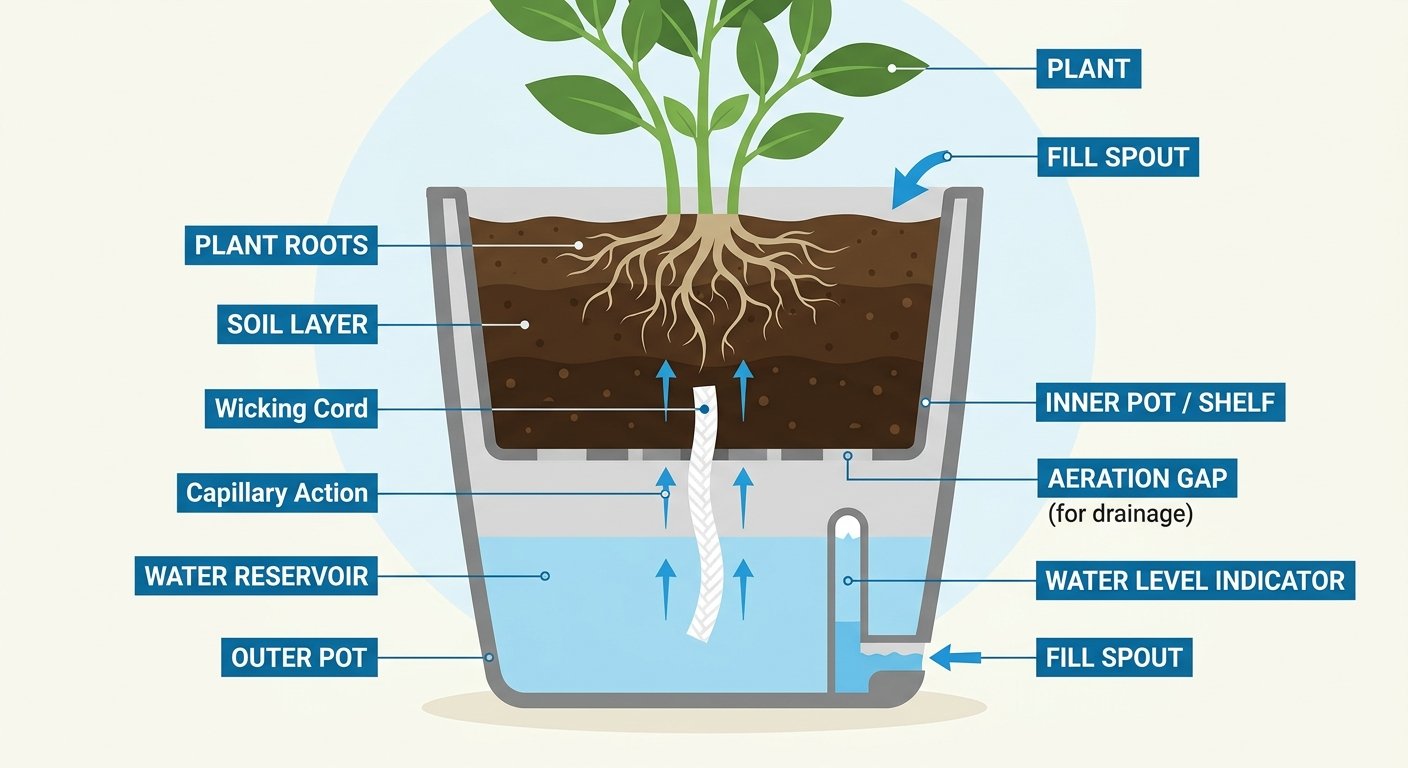
Most self-watering pots use a reservoir at the bottom of the container, separated from the growing medium above by a false bottom or barrier, with a wicking mechanism — often a fabric wick, a wicking cord, or specially designed capillary channels — that draws water up from the reservoir into the soil as it dries out. This creates a passive, self-regulating watering system: water moves into the growing medium through capillary action; the amount depends on the potting mix, wick and planter design, rather than being watered on a schedule that may or may not match the plant’s actual needs at that moment.
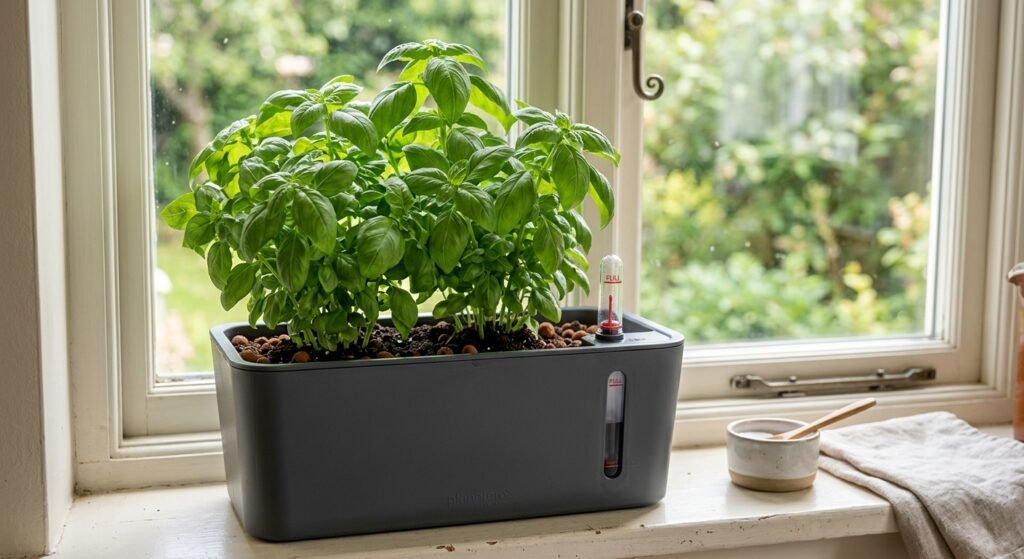
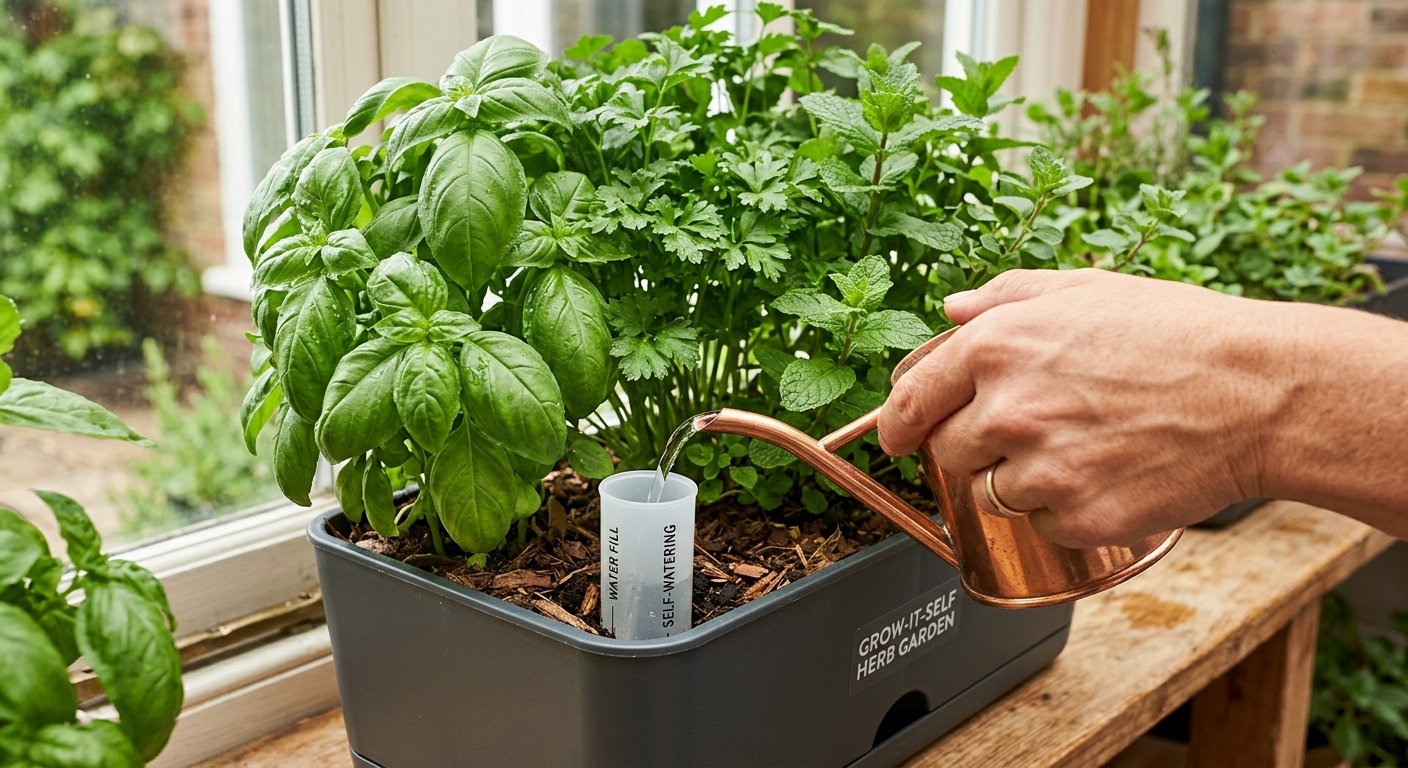
Most designs also include a fill tube or opening at the top for adding water directly to the reservoir without disturbing the soil surface, and many include a water level indicator so you can see at a glance when a refill is needed.
Why Self-Watering Pots Work Well for Herbs Specifically
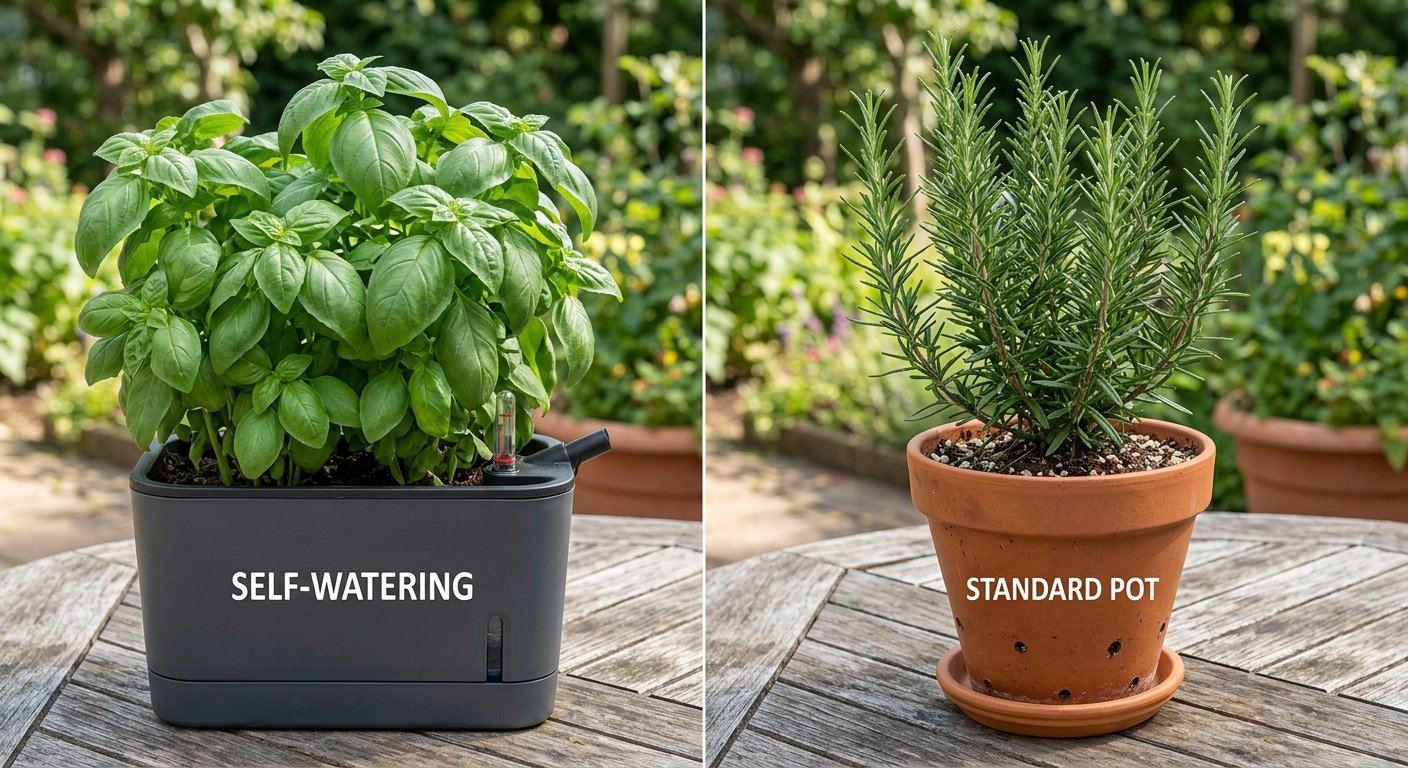
Herbs are particularly well suited to self-watering systems for a couple of reasons: many popular culinary herbs (basil, parsley, mint) prefer consistently moist soil and can decline quickly if allowed to dry out completely, which the wicking system helps prevent even during a few days of inconsistent attention. At the same time, the reservoir design prevents the overwatering that’s just as common a problem with herbs, since the soil only draws up as much water as it actually needs rather than sitting in standing water the way an overwatered standard pot might.
Which Herbs Benefit Most From Self-Watering Pots
Basil, parsley, cilantro, and mint — herbs that prefer consistent moisture and decline noticeably when allowed to dry out — are excellent candidates for self-watering pots, since the consistent moisture supply plays directly to what these plants want anyway.
Mediterranean herbs like rosemary, thyme, oregano, and lavender are a different story. These herbs actually prefer soil that dries out more substantially between waterings and can suffer from consistently moist conditions, including increased risk of root rot and fungal issues. A self-watering pot’s constant moisture supply can work against these herbs rather than for them, making a standard pot with more deliberate, spaced-out watering generally a better fit.
Setting Up a Self-Watering Pot Correctly
Use an appropriate potting mix. A standard potting mix works for most herbs in a self-watering system, though some manufacturers recommend a slightly different mix ratio (often with more perlite) to support effective wicking without the soil becoming waterlogged near the reservoir interface.
Prime the wicking system before planting, following the specific product’s instructions, since some wicks or cords need to be pre-moistened to begin functioning properly rather than starting dry and struggling to establish the capillary action needed.
Fill the reservoir fully at setup, and monitor how quickly it depletes over the first couple of weeks to get a sense of your specific plant’s water use and how often refilling will realistically be needed.
Don’t over-rely on the system for herbs that prefer drier conditions. For rosemary, thyme, and similar herbs, either skip the self-watering design entirely or intentionally let the reservoir run dry periodically to allow the soil the drying-out period these plants actually need.
Advantages of Self-Watering Herb Pots
Reduced watering frequency needed, since the reservoir can often supply water for several days to a couple of weeks depending on pot size and plant water use, compared to standard pots that may need daily attention for water-loving herbs.
More consistent soil moisture, avoiding the dramatic wet-dry cycles that come from irregular manual watering, which is particularly beneficial for herbs prone to stress from inconsistent moisture like basil.
Reduced risk of both overwatering and underwatering for appropriate herb types, since the passive wicking system naturally regulates moisture delivery based on actual plant uptake rather than a fixed schedule.
Convenient for travel or busy periods, since a filled reservoir provides a buffer against missed watering that a standard pot simply doesn’t offer.
Potential Downsides to Consider
Not suitable for all herbs, as covered above — Mediterranean herbs generally do better in standard, more controlled watering setups than in a consistently moist self-watering system.
Risk of salt and mineral buildup in the reservoir over time, particularly with tap water, which can eventually affect plant health if the system isn’t periodically flushed with plain water to clear accumulated minerals.
Higher upfront cost compared to a basic pot, though this is often offset over time by reduced water waste and improved plant survival rates for appropriate herb types.
Potential for root rot if the wicking system malfunctions or if a plant unsuited to constant moisture is grown in it, since the passive system doesn’t inherently prevent overwatering for herbs that actually need to dry out between waterings.
Are Self-Watering Pots Worth It for Herb Growing?
For water-loving herbs like basil, mint, parsley, and cilantro, self-watering pots offer genuine, meaningful benefits — more consistent growth, reduced risk of the drying-out stress these herbs are prone to, and lower daily maintenance. For Mediterranean herbs like rosemary and thyme, a standard well-draining pot with more deliberate, spaced-out watering remains the better choice, since these herbs’ preference for drier conditions works against what a self-watering system is designed to provide.
The Bottom Line
Self-watering pots work by wicking water from a reservoir into the soil as needed, providing consistent moisture that particularly benefits herbs like basil, parsley, and mint that dislike drying out. They’re a poor match for Mediterranean herbs like rosemary and thyme, which actually prefer to dry out between waterings — matching the pot type to the specific herb’s watering preference, rather than assuming a self-watering system universally improves results, is the key to getting real value from one.
Related Herb and Watering Guides
Last modified: October 13, 2026