Squash bugs are one of the most persistent and damaging pests for squash, pumpkin, and other cucurbit growers, capable of wilting and killing even a well-established, healthy plant within a couple of weeks if an infestation goes unaddressed. Getting ahead of them requires catching all three life stages, since each one requires slightly different tactics.
How to Identify Squash Bugs
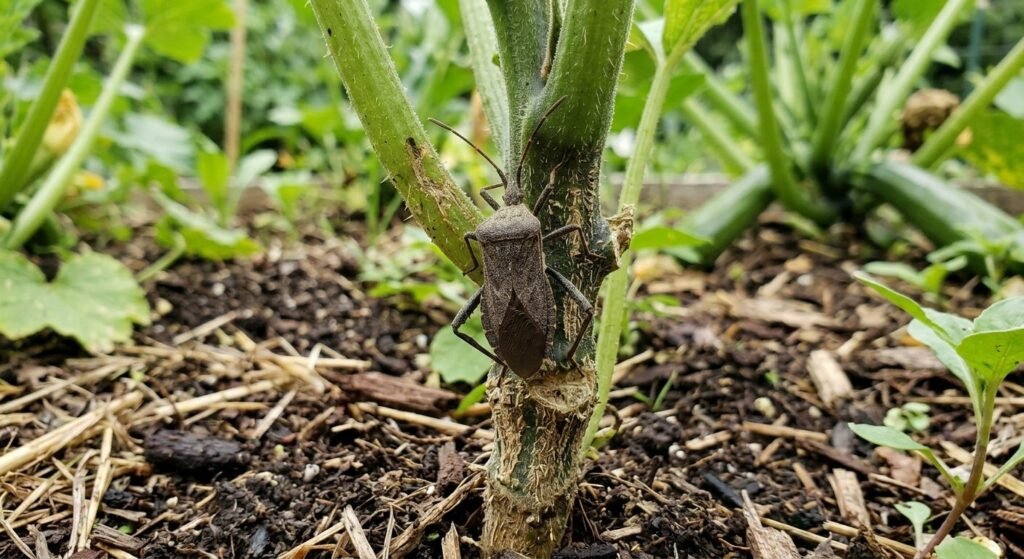
Adults are roughly 5/8 inch long, flat-backed, and grayish-brown to dark brown, with a shield-like shape somewhat similar to a stink bug (to which they’re related). They move quickly when disturbed and tend to hide at the base of plants or under leaves rather than sitting in the open.
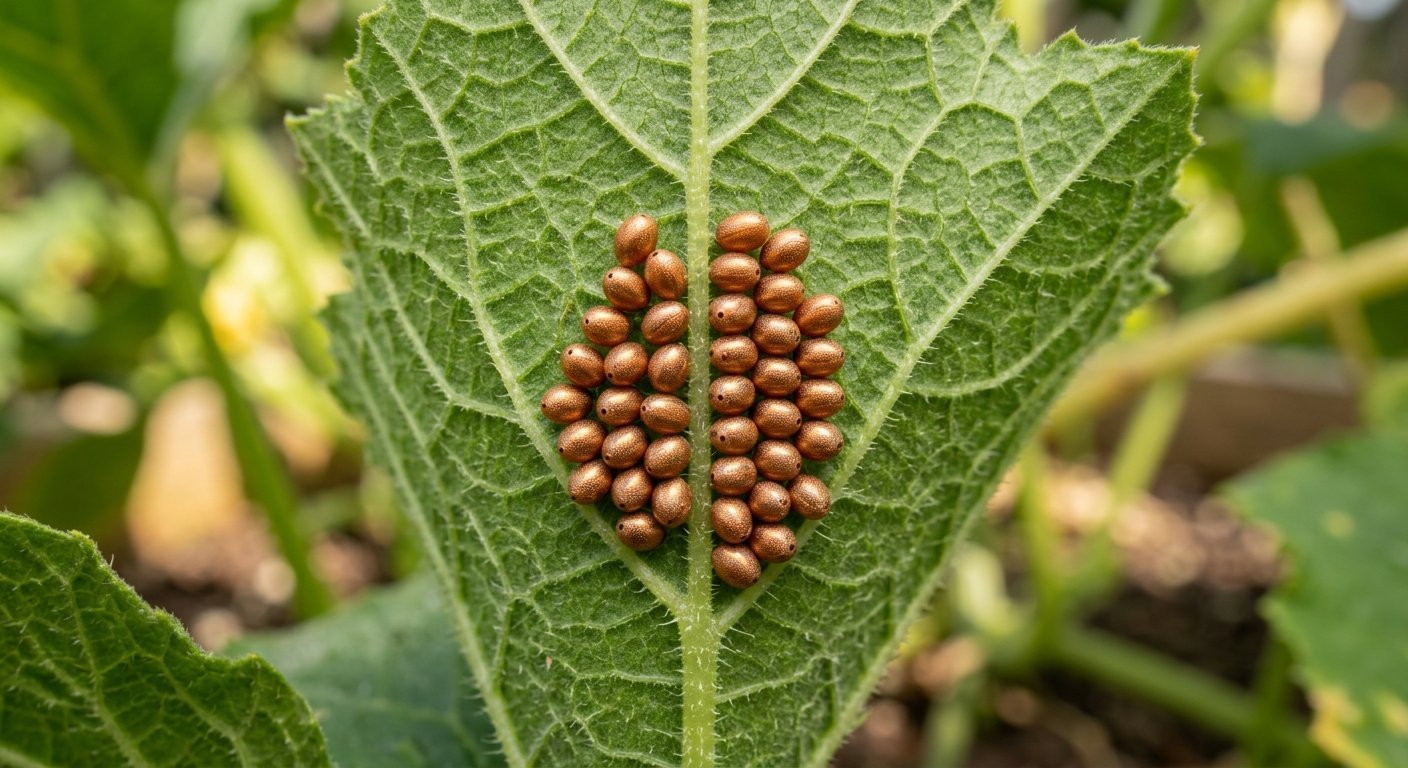
Eggs are small, bronze-to-copper colored, and laid in tight clusters, typically on the undersides of leaves, often in the V formed by leaf veins. This distinctive clustering pattern makes egg masses fairly easy to spot once you know to look for it.
Nymphs hatch from the eggs looking quite different from adults — initially a grayish-white color with black legs, gradually darkening as they mature through several stages before reaching adult form and coloring.
Signs of a Squash Bug Infestation
- Wilting leaves, often starting with individual leaves or sections rather than the whole plant at once, caused by the bugs’ feeding, which injects a toxin that damages the plant’s ability to move water through affected tissue
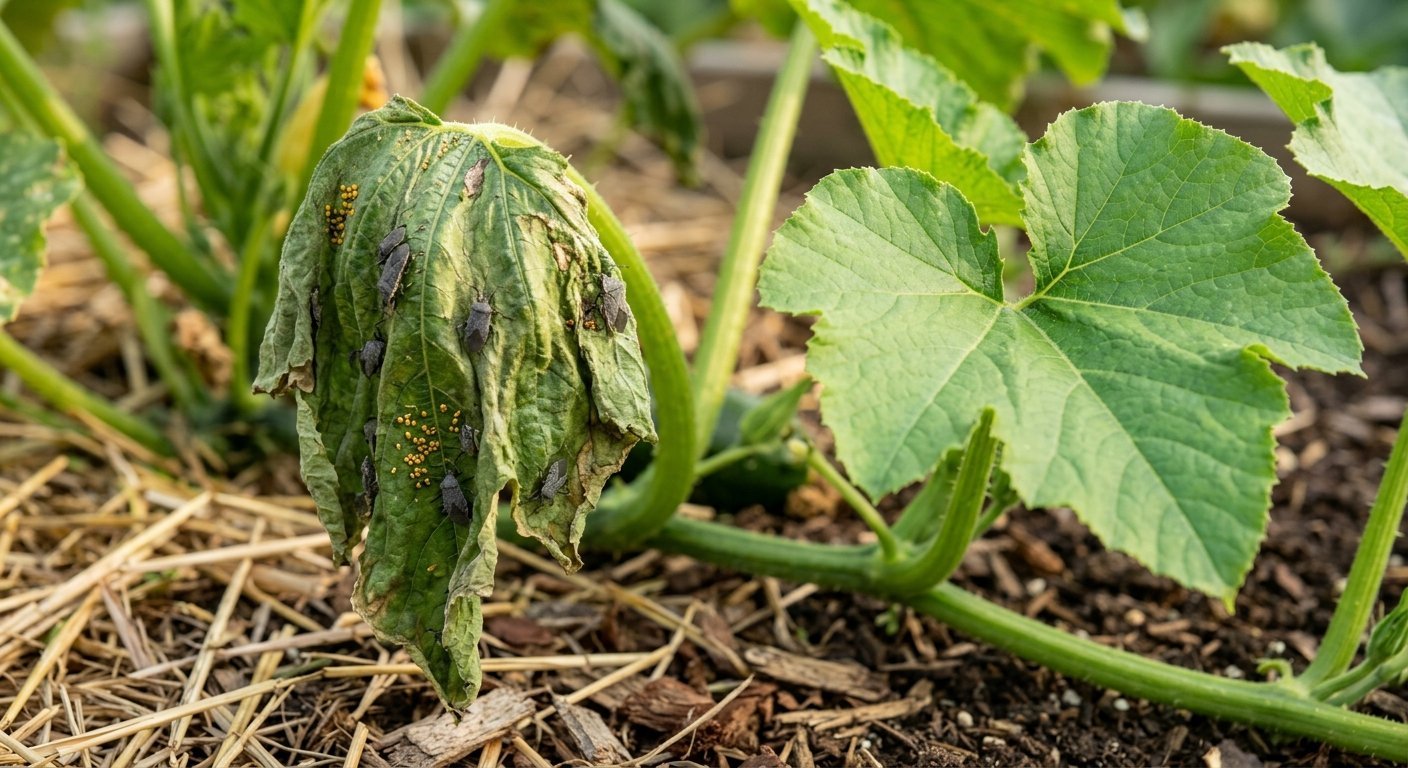
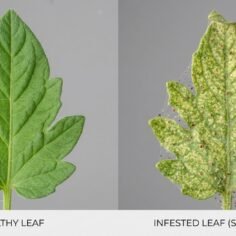
- Yellow specks or stippling on leaves where bugs have been feeding, sometimes progressing to browning and drying out entirely
- Clusters of bronze eggs on the undersides of leaves
- A sudden, dramatic decline in an otherwise healthy-looking plant, since squash bug damage can progress from minor wilting to plant death faster than many other pest problems
How to Get Rid of Squash Bugs
1. Check for and destroy egg masses
This is one of the single most effective interventions, since removing eggs before they hatch prevents an entire generation of nymphs from developing. Check the undersides of leaves every few days during the growing season, and simply scrape egg clusters off directly into soapy water, or crush them (though this is less pleasant), or remove and destroy the affected leaf section entirely if eggs are numerous.
2. Hand-pick adults and nymphs
Squash bugs are relatively slow to fly and tend to scatter toward the base of the plant or hide under leaves when disturbed rather than immediately taking off, which makes hand-picking a genuinely viable control method, especially for a smaller home garden. Drop collected bugs into soapy water. Early morning, when bugs are less active and more sluggish from cooler overnight temperatures, is often the easiest time to catch them.
3. Use a trap board
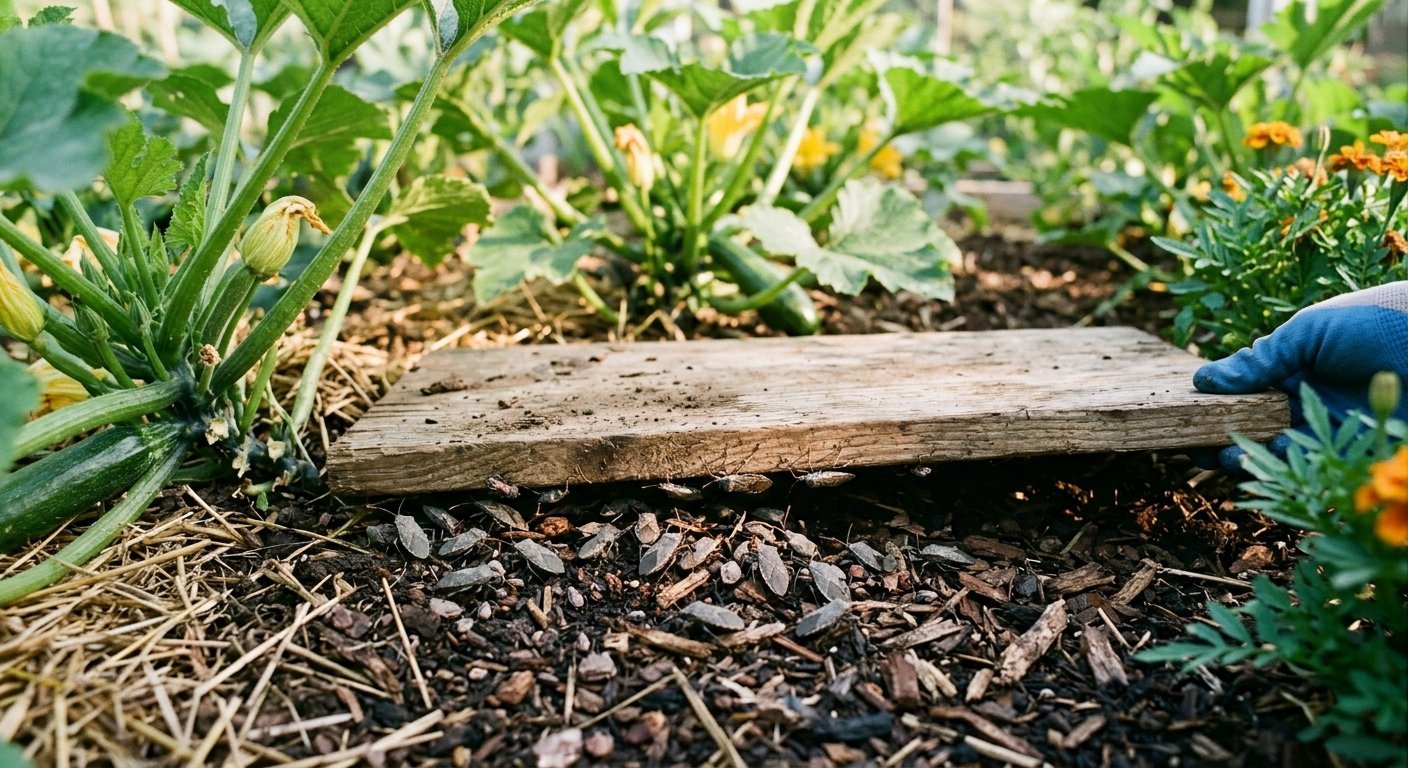
Squash bugs shelter under debris and flat objects overnight. Placing a board or piece of cardboard near the base of plants in the evening, then checking underneath and destroying what’s gathered there each morning, is a simple, low-effort trap that many gardeners find surprisingly effective over the course of a season.
4. Apply insecticidal soap or neem oil on young nymphs
Younger nymphs are considerably more vulnerable to insecticidal soap and neem oil than mature adults, whose tougher exoskeleton offers more protection. Targeting the nymph stage, right after eggs hatch, gives these treatments their best chance of real effectiveness — treating established adults with soap or oil alone often produces disappointing results.
5. Use row covers early in the season
Covering young squash plants with row cover from planting until flowering (when covers need to come off for pollinator access) prevents adult squash bugs from reaching the plants to lay eggs in the first place, addressing the problem before it can start. This is one of the more effective preventive strategies available, particularly for gardens with a known history of squash bug problems.
6. Clean up garden debris at season’s end
Adult squash bugs overwinter in garden debris, mulch, and other sheltered spots near where host plants grew. Thoroughly cleaning up plant debris in fall, rather than leaving old squash vines and leaves in place over winter, reduces the local overwintering population available to re-infest the following spring.
7. Rotate crops
Planting cucurbits in a different location each year, where practical, makes it harder for overwintering adults to simply walk to a nearby host plant come spring, reducing the speed and severity of reinfestation.
8. Choose resistant varieties
Some squash varieties show meaningfully greater resistance to squash bug damage than others — butternut squash, for instance, tends to be less severely affected than many summer squash and zucchini varieties, making variety choice a worthwhile consideration if squash bugs have been a recurring problem in your garden.
Why Squash Bugs Are Hard to Control With Sprays Alone
Adult squash bugs have a tough exoskeleton that makes them notably more resistant to contact insecticides like soap and neem oil than many other common garden pests, which is why hand-picking, egg destruction, and prevention (row covers, garden cleanup) tend to matter more for squash bugs than for pests that respond well to spray treatments alone.
Building a Full-Season Squash Bug Strategy
Early season: Use row covers from planting until flowers appear, protecting young, vulnerable plants during the period when they’re most susceptible to serious damage.
Once flowering begins (covers must come off): Check leaf undersides for egg clusters every few days, destroying what you find, and hand-pick adults and nymphs regularly.
Throughout the season: Use a trap board for easy, low-effort adult removal, and treat any young nymphs you find with insecticidal soap for extra knockdown.
End of season: Clean up all plant debris thoroughly, and rotate cucurbit planting locations for next year if possible.
The Bottom Line
Squash bugs respond best to a combination of prevention and hands-on removal rather than spraying alone — row covers early in the season, regular egg mass checks and destruction, hand-picking adults, and thorough fall cleanup together address the pest across its entire life cycle. Catching egg masses before they hatch is the single highest-leverage habit, since it prevents entire generations of damage before they ever begin.
For a broader pest-control strategy and help with other garden pests, see Natural Pest Control for Vegetable Gardens: A Complete Approach and How to Get Rid of Slugs Organically.
Last modified: October 5, 2026