
Few houseplant mistakes are as common — or as easy to make worse through a misdiagnosis — as confusing overwatering with underwatering. Both can produce wilting, drooping, and even yellowing leaves, which means the instinctive response to a sad-looking plant (water it more) is exactly wrong about half the time.
The Fastest, Most Reliable Test: Check the Soil
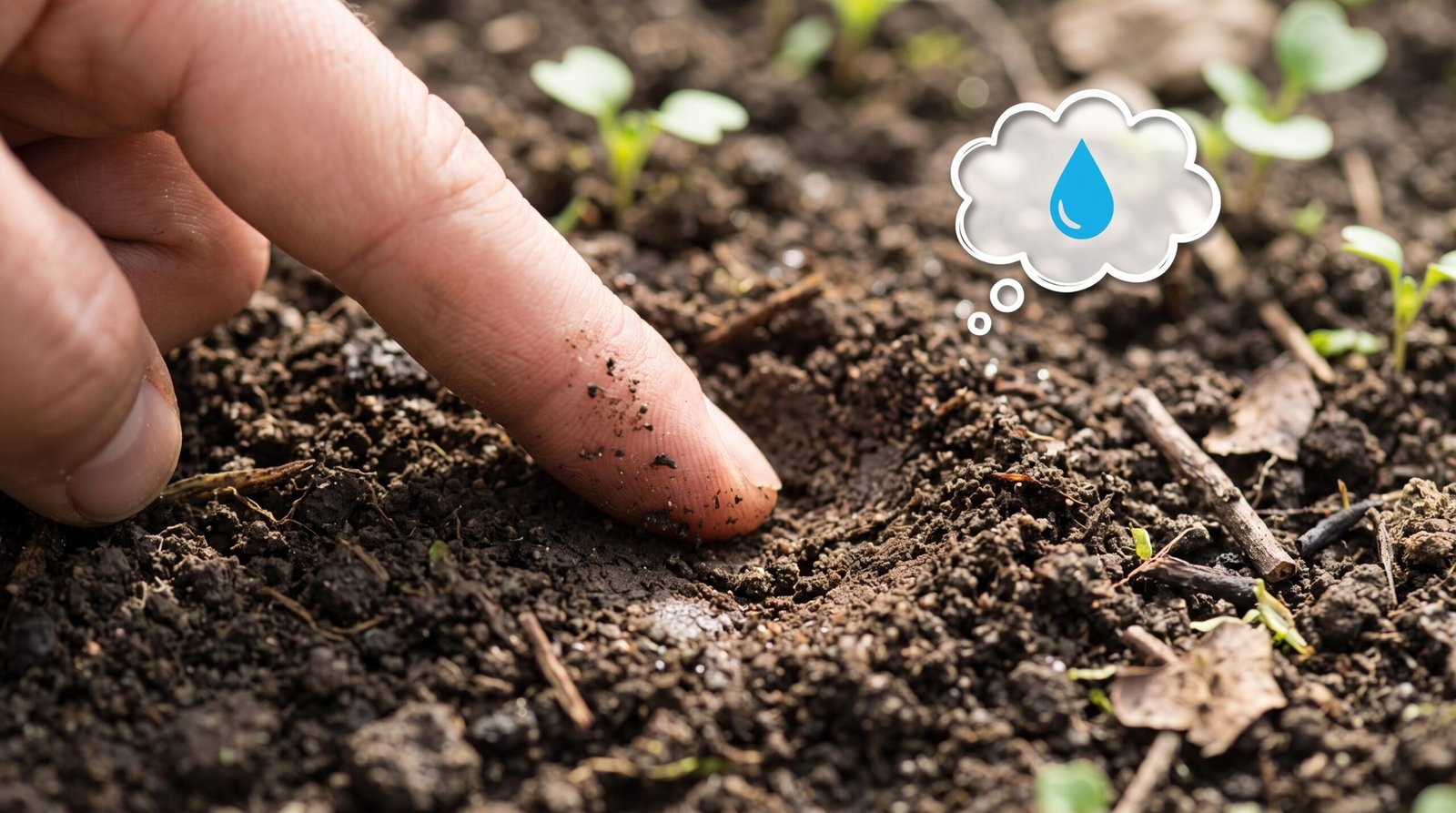
Before looking at any leaf symptom, stick a finger into the soil an inch or two deep. This single check resolves the vast majority of confusion:
- Soil feels wet or soggy despite the plant wilting → overwatering
- Soil feels bone-dry, possibly pulling away from the pot edges → underwatering
This test is more reliable than any visual leaf symptom alone, since — as covered below — several symptoms genuinely overlap between the two problems.
Side-by-Side Symptom Comparison
Wilting: Both conditions cause wilting. Overwatered plants wilt because damaged, rotting roots can’t take up the water that’s actually present; underwatered plants wilt because there simply isn’t enough water available to begin with. The soil check is what separates them, since the wilting itself looks similar.
Leaf color and texture: Overwatered plants tend to develop soft, mushy, sometimes yellowing leaves, often starting with lower or older growth. Underwatered plants develop dry, crispy, brown-edged leaves that may curl inward, with the plant’s overall structure looking deflated and dry rather than soft.
Leaf drop: Overwatering often causes yellow leaves to drop, sometimes suddenly and in noticeable numbers. Underwatering causes brown, crispy leaves to drop, generally after the plant has shown visible drought stress for a period first.
Smell: Overwatered soil often develops a sour, musty, or rotten smell as anaerobic decay sets in around damaged roots. Underwatered soil has no distinctive smell, or simply smells dry and dusty.
Stem condition: Overwatering can cause soft, mushy, sometimes blackened stems, particularly near the soil line, as rot progresses upward. Underwatering doesn’t typically affect stem firmness the same way, though severely dehydrated plants may show some shriveling in softer-stemmed species.
Pot weight: An underwatered plant’s pot feels noticeably lighter than usual, since dry soil weighs considerably less than moist soil. An overwatered plant’s pot feels heavier than expected, retaining the weight of excess water.
Growth pattern over time: Chronic overwatering leads to slow decline, yellowing, and eventual root rot symptoms that worsen progressively even without any single dramatic event. Underwatering causes more acute, visible wilting that develops relatively quickly and then, notably, resolves relatively quickly once the plant is properly watered — a distinction that itself can help confirm the diagnosis after the fact.

The Confirming Test: Water and Observe
If soil moisture alone doesn’t make things clear (a moderately moist soil with wilting, for instance), water the plant thoroughly and observe over the next 24 hours. An underwatered plant typically perks up within hours to a day of proper watering. An overwatered plant, especially one with rot already developing, generally won’t improve with more water — because the actual problem isn’t a lack of water reaching the plant, but damaged roots that can’t take up water regardless of how much is available.
Why Getting This Wrong Makes Things Worse
Responding to overwatering symptoms by adding more water is one of the most damaging mistakes in houseplant care, since it deepens the exact waterlogged, oxygen-starved root conditions causing the problem in the first place, accelerating rot rather than solving anything. Conversely, responding to underwatering by withholding water (mistakenly assuming overwatering based on wilting alone) allows drought stress to worsen, potentially causing lasting damage or plant death that a simple, timely watering would have easily prevented.
What to Do Once You’ve Correctly Identified the Problem
For overwatering: Stop watering immediately and let soil dry out significantly. If wilting persists despite drying soil, or if you notice a musty smell or soft stems, check the roots directly for rot (dark, mushy, foul-smelling) and trim away damaged tissue before repotting into fresh, well-draining soil.
For underwatering: Water thoroughly until it runs from the drainage holes, and repeat once the top inch of soil has dried again. Most underwatered plants recover fully within a few days of consistent, appropriate watering resuming, showing renewed turgor in leaves and stems fairly quickly.

Preventing Both Problems Going Forward
Check soil moisture before every watering rather than following a fixed schedule, since this single habit prevents the majority of both overwatering and underwatering mistakes.
Match your watering routine to the specific plant. Succulents and cacti want to dry out substantially between waterings; ferns and some tropical foliage plants prefer more consistent moisture — using the same watering approach across very different plant types is a common source of confusion and mistakes.
Use pots with drainage holes, which make overwatering considerably harder to cause accidentally and make it easier to judge appropriate watering volume, since excess water visibly drains through rather than accumulating invisibly at the bottom of a sealed container.
Adjust for season. Most houseplants need less frequent watering in fall and winter as growth slows, and continuing a summer watering routine into the dormant season is one of the most common ways overwatering happens even in generally attentive plant owners.
The Bottom Line
The soil moisture check — a simple finger test — is the fastest, most reliable way to distinguish overwatering from underwatering, since so many of the visible symptoms genuinely overlap between the two. When in doubt, check the soil first, water thoroughly if it’s dry and observe recovery, or address rot and adjust habits if it’s already wet — treating the wrong condition based on wilting alone is one of the easiest ways to turn a fixable problem into a serious one.
Last modified: November 15, 2026